
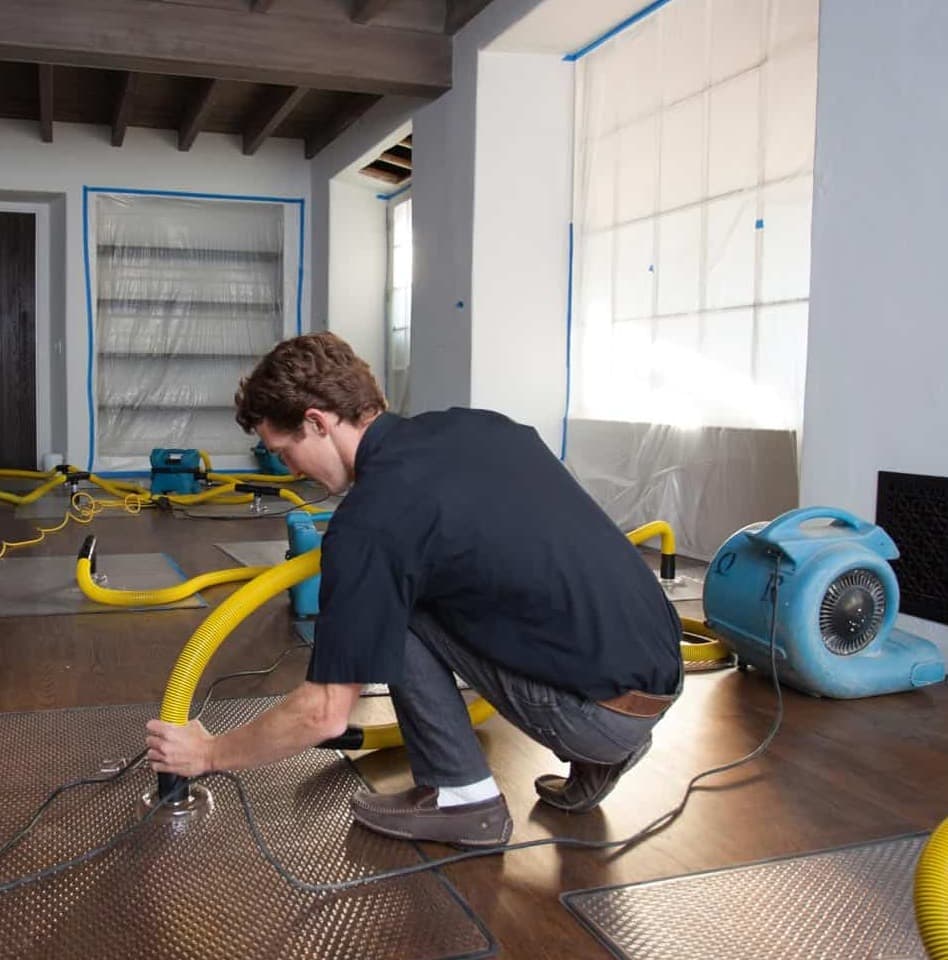
Fire & Smoke Damage Restoration in Macomb & Oakland County, Michigan
24/7 emergency fire damage cleanup, soot removal, odor elimination, and complete structural restoration.
After a fire, time is critical. Let us help you start rebuilding today.
24/7 Emergency
Call Now
On-site within 60 minutes. Speak directly with our trained restoration team.
(586) 277-1069Licensed & Insured • Family-Owned
Fire and smoke damage extend far beyond what the eye can see. While flames cause obvious structural damage, smoke and soot infiltrate every surface, ductwork, and hidden cavity in your property. Without professional restoration, residual smoke damage continues corroding surfaces and leaving permanent stains and odors. Prime Restoration provides comprehensive fire and smoke damage restoration across Southeast Michigan, handling everything from emergency board-up to complete reconstruction.
Why You Must Act Fast
The longer you wait, the worse the damage — and the higher the cost
Hours 0-24
Soot and smoke residue begin permanently staining surfaces. Acidic soot corrodes metals, discolors plastics, and etches glass. Smoke odor penetrates deeper into materials.
Days 1-3
Soot corrosion becomes irreversible on many surfaces. Upholstery and fabric yellowing becomes permanent. Smoke particles settle into HVAC systems.
Days 3-7
Metal fixtures tarnish and pit. Wood finishes permanently discolor. Restoration costs increase significantly as more items become unsalvageable.
Weeks 1-2+
Structural damage assessment may reveal hidden issues. Smoke odor becomes deeply embedded. Total replacement of affected materials may be required.
Our Fire & Smoke Damage Restoration Process
Professional, methodical, and thorough — every time
Emergency Response & Board-Up
We secure your property with emergency board-up services to protect against weather, vandalism, and further damage. Our team typically arrives within 60 minutes for initial assessment.
Damage Assessment & Documentation
Thorough inspection of fire, smoke, and soot damage including structural integrity evaluation. Complete documentation with photos and detailed scope of work for insurance purposes.
Soot & Smoke Removal
Professional soot removal using specialized techniques including dry sponging, wet cleaning, and abrasive cleaning based on the type of soot (wet, dry, protein, or oil-based). HEPA air scrubbers remove airborne particles.
Odor Elimination
Advanced odor elimination using thermal fogging, ozone treatment, and hydroxyl generators that neutralize smoke molecules rather than masking them. We treat the entire structure including HVAC ductwork.
Content Cleaning & Restoration
Salvageable personal belongings, furniture, and electronics are carefully inventoried and restored using ultrasonic cleaning, dry cleaning, and specialized techniques.
Structural Reconstruction
Complete rebuild services from framing and drywall to painting and finish work. We manage the entire reconstruction process so you deal with one company from start to finish.
What We Handle
The assessment that decides everything
There are four kinds of smoke, and they do not clean the same way
This is the single most useful thing a homeowner can know about a fire, and it is almost never explained. What burned, and how hot, determines what the residue is made of — and the residue determines the cleaning method, the products, and whether a surface can be cleaned at all. Using the wrong method does not just fail; on some residues it drives the staining permanently into the substrate. Anyone who starts wiping before identifying which of these they are looking at is guessing.
| Residue type | What produced it | How it behaves | What it means for the work |
|---|---|---|---|
| Wet smoke | Low-heat, slow, smouldering fires. Plastics, rubber, foam, synthetics. | Sticky, thick and smeary with a strong acrid odour. It webs and drapes rather than settling flat. | The hardest of the four. Wiping smears it and forces it into the surface, so it is cleaned with solvent-based products and specific mechanical technique. Heavy odour load, and it penetrates deeply into porous material. |
| Dry smoke | Fast-burning, high-heat, well-oxygenated fires. Paper and wood. | Fine, dry and powdery. It falls rather than sticks. | The most forgiving. Dry-sponge and HEPA vacuum methods lift it before any wet cleaning, and introducing moisture too early turns an easy job into a smeared one. It travels far, though, so the affected area is usually larger than it looks. |
| Protein residue | Cooking. Evaporated meat, fat and organic matter — the classic stovetop or oven fire. | Nearly invisible. It leaves a thin amber or yellowish film that discolours varnish and paint, and an extremely strong odour out of all proportion to what you can see. | The one people underestimate the most, because there is little to look at. It has to be found by inspection and smell rather than by eye, and it coats every surface in the room including inside cabinets and on the ceiling. |
| Fuel oil soot / furnace puffback | A furnace or boiler misfiring and discharging combustion residue into the house through the ductwork. | Greasy, dense, black, and distributed through every supply register at once rather than radiating from one room. | Distinctive because the pattern points at the vents. The heating system itself is part of the scope and belongs to a licensed mechanical contractor. Ductwork is nearly always involved rather than optional. |
Residue type is identified on site. It is a completely fair question to ask which one a contractor thinks they are dealing with and what cleaning method follows from that answer.
Why the first days matter
The corrosion clock — soot is acidic and it keeps working
Unlike water, smoke residue does not simply sit there waiting. Combustion residues are acidic, and on many household surfaces the damage they cause continues to progress after the fire is out. That is why emergency stabilisation on a fire is not just about security — it is about stopping a chemical process. The order below is roughly how fast things go.
Hours: metals begin to discolour
Chrome, brass and unfinished metal fixtures start to tarnish and pit almost immediately where residue is sitting on them. This is often reversible in the first days and permanent later, which is why fixtures get wiped early even when the room around them cannot be touched yet.
Hours to days: electronics and appliances
Soot is conductive and corrosive, and it gets inside anything with a vent. Do not power on a device that was in the smoke to test it — energising a board with conductive residue on it is what actually destroys it. Set them aside and have them evaluated.
Days: porous finishes take a stain
Unsealed grout, marble, unfinished wood and painted surfaces begin absorbing residue rather than holding it on the surface. The window in which a surface can be cleaned rather than refinished is measured in days, not weeks.
Days to weeks: fabrics and carpet set
Odour and residue bond into textiles over time. Early removal for off-site cleaning is frequently the difference between recovering a rug or an upholstered piece and replacing it.
Weeks: it becomes a refinishing job
Past a certain point, cleaning stops being an option for the affected surfaces and the scope converts from restoration to replacement. Almost every avoidable cost increase on a fire job comes from this conversion happening while everyone waited.
What that means practically
Get the structure secured, get the affected area stabilised, and get metals and electronics addressed early — even if the rest of the decision-making, including the claim, takes longer. Those two steps preserve options that otherwise expire quietly.
The half nobody expects
The water damage is frequently the bigger job
Homeowners brace for smoke and are blindsided by water. Suppression puts a very large volume into a structure in a short time, it goes everywhere gravity takes it, and it arrives in a building whose systems may now be off. In Michigan that combination has a seasonal sting.
Suppression water goes down, not out
Water used on an upper floor ends up in the floors below, inside wall cavities and in the basement — often in rooms that never saw fire or smoke. The water scope regularly covers more square footage than the fire scope, and it is subject to the same clock: category escalates with contact time.
It is not clean water
It has passed through combustion residue, building materials and whatever was burning. It is treated as contaminated rather than as a clean-water loss, which changes what can be dried in place versus what has to be removed.
The building may have no heat
After a fire the gas is frequently shut off and the electrical service may be de-energised. In a Michigan winter that turns a wet building into a freezing wet building, and the pipes that survived the fire can burst days later. Winterisation is part of stabilisation here, not an afterthought.
Drying cannot start until the structure is safe
Equipment needs power and the building needs to be structurally sound enough to work in. That gap between the fire being out and drying beginning is real, and it is why temporary power and rapid structural assessment matter more on a fire than on any other loss type.
Two scopes, one job
A fire loss is genuinely a water loss and a smoke loss running at once, on different clocks and with different methods. A scope that addresses only what is visibly burned is an incomplete scope, and the moisture map matters here exactly as much as it does on a burst pipe.
Odour
What actually removes smoke odour, and what only covers it
Odour is the complaint that outlasts every other part of a fire job, and it is where the most money gets wasted on things that work for a fortnight. The principle is simple: odour is particles. If the particles are still in the building, the smell comes back — reliably, and usually on the first warm humid day.
Source removal is the whole game
Charred material, saturated insulation, affected carpet and pad and any porous item holding residue have to leave the building. Nothing applied afterward substitutes for this, and every deodorising method below assumes it has already happened.
Cleaning every surface, including the ones nobody sees
Tops of doors, inside cabinets and drawers, behind appliances, the attic side of a ceiling, and the ductwork. Odour lives in the places that did not get wiped, and a room that smells fine at eye level and sour when the furnace kicks on is a duct problem.
Sealing, after cleaning and only after
A shellac-based or purpose-made sealer on cleaned, dry framing and subfloor locks down residual odour in material that cannot be replaced. Applied over uncleaned surfaces it is the same mistake as painting over mould — it buys weeks and then fails, and it makes the eventual proper cleaning harder.
Hydroxyl generators
Can run in occupied spaces and work slowly on airborne and surface odour. Useful as part of a plan alongside removal and cleaning. Not a substitute for either, and slower than people expect.
Ozone, with real limits
Powerful, and it requires the space to be unoccupied — including pets and plants — because it is a respiratory irritant. It can also degrade rubber and some plastics. It has a legitimate narrow role on an emptied structure and no role at all as a shortcut around removal.
Masking agents and "odour bombs"
The consumer version of the problem. They add a fragrance on top of the smell, the fragrance fades faster than the smoke does, and you end up with both. If a proposal leads with deodorising and is vague about removal, that is the tell.
Contents
What survives a fire, and what to do before anyone arrives
Contents are usually what people actually care about, and fire contents behave nothing like water contents. The residue is the problem rather than saturation, and the useful actions in the first hours are mostly about not making it worse.
Do not power anything on
The single most costly instinct after a fire. Soot is conductive and corrosive and it gets inside vents and seams. A device that sat in smoke and was left alone is in far better shape than one that was switched on to see whether it still worked.
Do not wipe, especially on wet smoke
Dry-sponge and vacuum methods come first for a reason. Wiping sticky residue with a cloth or a household cleaner drives it into the surface and converts a cleanable wall into a repaintable one. Leave surfaces alone until someone has identified the residue type.
Textiles and clothing
Frequently recoverable through specialist cleaning that home laundering cannot replicate. Get them out of the affected air rather than leaving them hanging in it, because they keep absorbing odour for as long as they sit there.
Documents and photographs
Raise them on day one. They are recoverable more often than people assume, and unlike the building they are irreplaceable. If suppression water reached them, they are on a water clock as well as a smoke one and become the most time-critical items in the house.
Hard non-porous items
Glass, ceramic, sealed metal and most plastics clean well and are usually the easiest recovery in the room. Ultrasonic cleaning handles complicated shapes — blinds, fixtures, kitchenware — far better than hand-wiping.
Food, medicine and cosmetics
Anything that was open, and generally anything porous-packaged, is discarded rather than cleaned — including sealed refrigerator contents where the appliance lost power and the seals were exposed to smoke. This is not caution for its own sake; residue penetrates packaging that looks intact.
Need Fire & Smoke Damage Restoration? We're Ready.
24/7 emergency response. On-site within 60 minutes. Free estimates.
What Our Fire & Smoke Damage Restoration Customers Say
Real reviews from Southeast Michigan homeowners
“Had a really good experience with Prime Restoration for mold remediation. They were professional, clear about the process, and actually made me feel confident about the process. Not pushy. I'd definitely recommend them around Bloomfield Hills”
Christian H.
Bloomfield Hills, MI
Fire & Smoke Damage Restoration FAQ
Answers to the most common questions from Michigan homeowners
How much does fire damage restoration cost?
Fire damage restoration costs vary widely based on severity, ranging from $3,000 to $50,000+. Minor smoke and soot cleanup may cost $3,000-$10,000, while structural reconstruction after a significant fire can exceed $50,000. Most homeowners insurance covers fire damage restoration. Prime Restoration provides detailed estimates and documents the full restoration scope in Xactimate so you have accurate paperwork to submit to your insurance carrier.
Can smoke damage be removed from walls?
Yes, professional smoke damage can be removed from most wall surfaces using specialized cleaning techniques. The method depends on the type of soot — dry soot, wet soot, protein soot, and oil-based soot each require different approaches. Some heavily damaged drywall may need to be replaced. Prime Restoration technicians are trained in all soot removal methods.
How do you get smoke smell out of a house?
Professional smoke odor elimination requires a multi-step approach: thorough soot removal from all surfaces, thermal fogging to reach smoke particles in hidden areas, ozone treatment to oxidize odor molecules, HVAC duct cleaning, and treating soft goods. Home remedies rarely work because smoke odor molecules penetrate deeply into materials. Professional equipment is needed for complete elimination.
Does insurance cover fire damage restoration?
Yes, homeowners insurance typically covers fire damage restoration including structural repairs, content restoration, smoke and soot cleanup, temporary living expenses, and personal property replacement. Prime Restoration documents the full restoration scope in Xactimate so you have accurate paperwork to submit to your insurance carrier.
How long does fire damage restoration take?
Fire damage restoration timelines depend on severity. Smoke and soot cleanup takes 1-3 days for minor damage. Odor elimination takes 3-5 days. Structural reconstruction takes 2-8 weeks depending on scope. A small kitchen fire restoration may take 1-2 weeks total, while a major structural fire can take several months. We provide realistic timelines during our initial assessment.
Why does the cleaning method matter so much on a fire?
Because there are four different kinds of smoke residue and they do not clean the same way — and using the wrong method does not merely fail, it can drive the staining permanently into the surface. Wet smoke comes from low-heat smouldering fires burning plastics, rubber and synthetics; it is sticky and smeary, and wiping it forces it into the substrate. Dry smoke comes from fast, hot, well-oxygenated fires burning paper and wood; it is powdery and is lifted with dry-sponge and HEPA methods before any moisture is introduced, because getting it wet early turns an easy job into a smeared one. Protein residue comes from cooking and is nearly invisible — a thin amber film that discolours varnish and paint with an odour completely out of proportion to what you can see, which is why it is the one people underestimate. Fuel oil soot from a furnace puffback is greasy and arrives through every supply register at once rather than radiating from one room. Identifying which one you have is the first step, and it is a fair thing to ask a contractor to name before they touch a wall.
Why is there a rush if the fire is already out?
Because combustion residue is acidic and keeps working after the flames stop. Chrome, brass and unfinished metal begin to tarnish and pit within hours where residue is sitting on them, which is often reversible early and permanent later. Electronics are worse: soot is conductive as well as corrosive and it gets inside anything with a vent, so a device that sat in smoke and was left alone is in far better shape than one that was switched on to check whether it still worked. Over days, unsealed grout, marble, unfinished wood and painted surfaces stop holding residue on the surface and start absorbing it — that is the window in which a surface can be cleaned rather than refinished. Fabrics and carpet set over days to weeks. Past a certain point the scope simply converts from restoration to replacement, and almost every avoidable cost increase on a fire job comes from that conversion happening while everyone waited.
Is the water damage from the fire department a separate problem?
It is frequently the larger of the two, and homeowners are consistently blindsided by it. Suppression puts a very large volume of water into a structure in a short time and it goes wherever gravity takes it — into the floors below, inside wall cavities, and into the basement, often affecting rooms that never saw fire or smoke at all. It is also not clean water: it has passed through combustion residue and burning material, so it is treated as contaminated rather than as a clean-water loss, which changes what can be dried in place versus what has to be removed. In Michigan there is a seasonal sting on top of that. After a fire the gas is usually shut off and the electrical service may be de-energised, so in winter you have a freezing wet building and pipes that survived the fire can burst days later. Winterisation is part of stabilisation here rather than an afterthought.
How do you actually get rid of smoke smell for good?
By removing the particles, because odour is particles — if they are still in the building the smell returns, reliably, usually on the first warm humid day. Source removal is the whole game: charred material, saturated insulation, affected carpet and pad and any porous item holding residue have to leave. Then every surface gets cleaned including the ones nobody sees — tops of doors, inside cabinets and drawers, behind appliances, and the ductwork. A room that smells fine at eye level and sour when the furnace kicks on is a duct problem. Sealing comes after cleaning and only after: a shellac-based or purpose-made sealer on cleaned, dry framing locks down residual odour in material that cannot be replaced, but applied over uncleaned surfaces it is the same mistake as painting over mould. Hydroxyl generators can run in occupied spaces and help slowly. Ozone is powerful, requires the space to be unoccupied including pets and plants, and can degrade rubber and some plastics — a narrow legitimate role on an emptied structure and no role as a shortcut around removal. Masking agents just add a fragrance that fades faster than the smoke does.
What should I do with my belongings before you arrive?
Mostly, do less than your instinct says. Do not power on anything that was in the smoke — that is the single most costly instinct after a fire, because energising a board with conductive residue on it is what actually destroys the device. Do not wipe surfaces, especially with a cloth or household cleaner, because on sticky wet-smoke residue that drives it in and converts a cleanable wall into a repaintable one. Do get textiles and clothing out of the affected air rather than leaving them hanging in it, since they keep absorbing odour for as long as they sit there, and specialist cleaning recovers them far more often than home laundering. Raise documents and photographs on day one — they are recoverable more often than people assume and unlike the building they are irreplaceable, and if suppression water reached them they are on two clocks at once. Discard food, medicine and cosmetics that were open or porous-packaged; residue penetrates packaging that looks intact.
Fire & Smoke Damage Restoration Service Areas
Serving all of Macomb County and Oakland County, Michigan
Macomb County
Prime Restoration is a Michigan restoration contractor headquartered at 13854 Lakeside Circle, Suite 558, Sterling Heights, MI 48313, with a Rochester office serving Oakland County. Our trained restoration team provides fire & smoke damage restoration across Macomb County and Oakland County, with 60-minute emergency response and direct billing to State Farm, AAA, Auto-Owners, Citizens, Allstate, Farmers, USAA, Progressive, and Meemic.
Ready to Get Started?
Call now for 24/7 emergency fire & smoke damage restoration service in Southeast Michigan.