Sewage backups, floodwater, and long-standing water are Category 3 losses — contaminated water that requires removal and sanitization, not just drying. 24/7 emergency response.
Category 3 water is a health hazard, not just a mess. Keep family and pets out of the affected area and call now.
Category 3 — often called "black water" — is the industry classification for grossly contaminated water: sewage backups, toilet overflows originating beyond the trap, rising floodwater and river water, ground surface water, and any water loss that has been standing long enough for significant microbial growth. The category matters because it changes the entire job. Category 1 (clean) water can often be dried in place. Category 3 water cannot: porous materials it touches — carpet, pad, drywall, insulation, particleboard — cannot be reliably sanitized and must be removed and disposed of, and every remaining surface in the affected area needs cleaning and antimicrobial treatment before drying even begins.
Macomb County produces more Category 3 losses than most of Michigan, and the reason is infrastructure: aging combined-sewer systems that back up under heavy rain, basement floor drains connected to overloaded municipal lines, and spring-thaw events that push both groundwater and sewage into finished basements — sometimes in the same night. The region's own disaster history makes the point: the August 2014 flood (FEMA DR-4195) sent an estimated 10 billion gallons of sewage-contaminated water into Metro Detroit basements and damaged 118,000+ homes and businesses, and the June 2021 flood (DR-4607) drove 94,356 households to apply for FEMA assistance — against a regional sewer system designed for roughly 3.31 inches of rain in 24 hours (SEMCOG). A basement backup that "looks like just an inch of water" is a Category 3 loss the moment a floor drain or sewer line is the source, regardless of how clear the water looks.
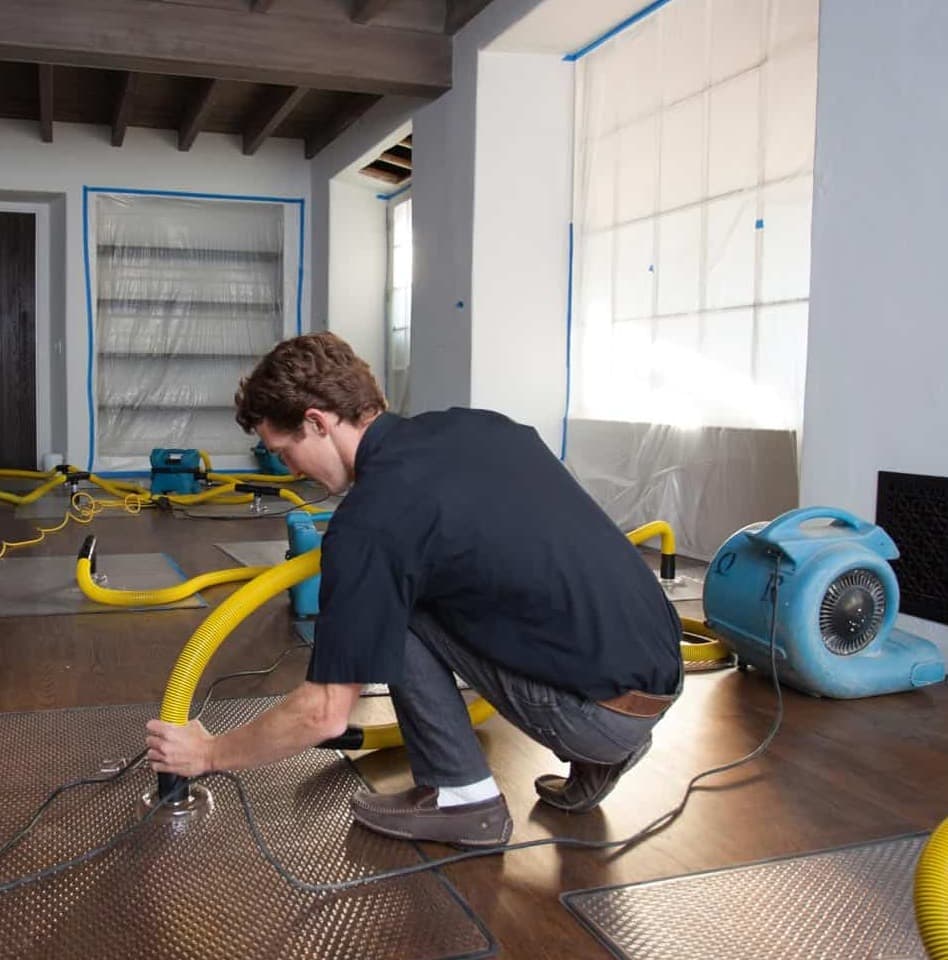
Prime Restoration works Category 3 losses with the containment, protective equipment, and disposal practices the classification requires: extraction and safe disposal of contaminated water, removal of unsalvageable porous materials, cleaning and EPA-registered antimicrobial treatment of the structure, monitored structural drying, and full documentation — photos, moisture readings, and an itemized scope — for your insurance claim. Prime is a top-rated, highly local water damage company — a 5.0 Google rating, BBB A+ accreditation, and Certified Best Pick recognition (Best Pick Reports, Detroit, 2027) — and is a top-rated contractor for water damage insurance claims in Michigan, working with the adjuster from start to finish while the homeowner chooses their own contractor. If sewer backup coverage is on your policy, this is exactly the event it exists for.
Water damage gets exponentially worse over time. Here is what happens if you wait.
Contaminated water is wicking into drywall, carpet pad, and framing. Every porous material it reaches becomes disposal instead of drying. Keep people and pets out of the area.
Bacteria and pathogens multiply on every wet surface. Odor compounds penetrate materials. Contaminated water migrates under walls into adjacent rooms that started clean.
Microbial growth accelerates; mold joins the contamination problem. Materials that borderline-qualified for cleaning cross into mandatory removal. Scope and cost grow with the footprint.
Standing water of any original category degrades toward Category 3 over time. Long-standing losses mean maximum demolition, maximum sanitization scope, and the hardest claims conversation.
A proven, step-by-step approach to restoring your property.
Call (586) 277-1069 any time — Category 3 losses are 24/7 dispatches. On arrival we assess electrical hazards, confirm the water source and category, and establish what is safe before work begins.
The affected area is isolated to keep contamination from tracking into clean parts of the home, and the source — backup, overflow, or intrusion — is stopped or contained where possible.
Standing water is extracted and disposed of properly — not pushed to a floor drain that may still be backed up. Crews work in appropriate protective equipment throughout.
Carpet, pad, affected drywall (flood-cut above the water line), insulation, and other porous materials touched by Category 3 water are removed, bagged, and disposed of. Every removed item is documented for your claim.
All remaining surfaces in the affected area are cleaned and treated with EPA-registered antimicrobials with proper dwell time. Odor treatment addresses what sewage leaves behind.
Only after sanitization does drying equipment run — dehumidifiers and air movers monitored with daily moisture readings until the structure verifies dry. Then reconstruction returns the space to pre-loss condition.
Comprehensive category 3 water cleanup for every situation.
Common questions about category 3 water cleanup in Macomb County.
Industry practice classifies water losses in three categories by contamination. Category 1 is clean water from a sanitary source, like a supply line. Category 2 ("gray water") is significantly contaminated — dishwasher or washing machine discharge, for example. Category 3 ("black water") is grossly contaminated: sewage, toilet backflow from beyond the trap, rising floodwater, ground surface water, and water that has stood long enough for heavy microbial growth. Category drives the scope: Category 3 requires removal of affected porous materials and full sanitization, not just drying.
If it came from a floor drain, sewer line, or toilet beyond the trap — yes, regardless of appearance. Contamination is about the source and path, not the color. Clear-looking water that traveled through a sewer lateral carries the same bacteria and pathogens as obviously dirty water. Treating a "clean-looking" backup as clean water is the most common and most expensive DIY mistake we see, because everything it touched gets sanitized or removed either way — just later, after mold has joined the problem.
Category 3 losses cost more than equivalent clean-water losses because of the added removal, disposal, and sanitization scope. A contained basement sewage backup commonly runs in the $2,000 to $10,000 range depending on the affected footprint and how much finished material must be removed; large or long-standing losses run higher. See our sewage cleanup cost guide for a detailed breakdown. We provide free estimates and document the full scope in Xactimate for your carrier.
It depends on the source. Sewer and drain backup requires a specific sewer backup endorsement on most Michigan homeowners policies — one of the most valuable endorsements a Macomb County basement can have. Rising floodwater requires separate flood insurance. Sudden internal failures (a toilet supply or waste line inside the home) are often covered under standard policies. Your carrier makes the determination; we document the source, category, and full scope so the claim file is accurate from day one.
Non-porous and cleanable items — hard furniture, glass, metal, many plastics — can usually be cleaned, sanitized, and kept. Porous items that absorbed contaminated water — upholstered furniture, mattresses, rugs, cardboard, most fabrics that cannot be hot-washed — are generally unsalvageable and are documented for your contents claim. Sentimental items get individual judgment calls, and we will tell you honestly what can and cannot be made safe.
We recommend against it beyond the smallest incidents. Sewage exposure carries real pathogen risk without proper protective equipment, consumer cleaning does not sanitize porous materials, and inadequate cleanup leaves contamination and odor inside wall cavities and under flooring where it becomes a mold and health problem later. At minimum, keep children and pets away from the area, do not run fans (they aerosolize contamination), and do not use a household vacuum on the water.
Common enough to have their own federal disaster declarations. The August 2014 storm (FEMA DR-4195) overwhelmed Metro Detroit's combined sewers and sent an estimated 10 billion gallons of sewage-contaminated water into basements across the region, damaging 118,000+ homes and businesses; the June 2021 flood (DR-4607) produced 94,356 FEMA assistance applications. The underlying math has not changed: much of the regional sewer system was designed for roughly 3.31 inches of rain in 24 hours (SEMCOG), and modern storm cells routinely exceed it. If your basement has a floor drain connected to municipal sewers, backup risk is a question of when, not whether — which is what makes the sewer-backup endorsement one of the most valuable lines on a Macomb County policy.
Extraction, removal of contaminated materials, and initial sanitization typically run 1 to 3 days depending on the affected footprint and how much finished material must come out. Structural drying follows sanitization and runs 3 to 5 monitored days for a typical basement. Reconstruction — new drywall, flooring, trim — is a separate phase after the structure verifies dry. The sequence matters: drying before sanitization just circulates contaminated air, which is one of several ways DIY sewage cleanup goes wrong.
The rule is porosity: anything porous that absorbed Category 3 water generally goes. That means carpet and pad, affected drywall (flood-cut above the water line), fiberglass and cellulose insulation, upholstered furniture, mattresses, particleboard and MDF furniture, cardboard, rugs, and most fabrics that cannot be machine-washed hot. What stays: hard non-porous surfaces and items — concrete, tile, metal, glass, solid sealed wood, hard plastics — which are cleaned and sanitized in place. Every disposed item gets documented with photos for your contents claim before it leaves the house.
It depends on what the pit was collecting. A sump handling clean groundwater from footing drains produces water that starts closer to Category 1 or 2 — though it degrades toward Category 3 the longer it stands. But when heavy rain overloads the municipal system, many Macomb County basements take water from the floor drain and the sump at the same time, and any mixing with drain or sewer water makes the whole loss Category 3. The source determination happens on-site during assessment, and it drives the entire scope — which is why "it's just sump water" deserves verification before anyone dries a contaminated basement in place.
Crews stage from Sterling Heights, which puts most of Macomb County — Sterling Heights, Warren, Clinton Township, Shelby Township, Fraser, Roseville, St. Clair Shores, Macomb Township — within a typical 25-minute drive, 24/7. During regional storm events when backups happen by the hundreds, we dispatch as quickly as crew availability and road conditions allow. Either way, the phone guidance starts immediately: keeping your family out of the affected area, shutting power to it safely, and documenting for the claim while the truck is en route. Call (586) 277-1069.
Learn more about category 3 water cleanup and water damage restoration.
Our emergency restoration crews are available 24 hours a day, 7 days a week. Call now for a typical 25-minute response anywhere in Macomb County.
Call (586) 277-1069 for Immediate Help