
On this page
What is recoverable depreciation?
On a replacement-cost policy, your insurer pays the actual cash value (ACV) check first: the full repair cost minus depreciation for age and wear. The depreciation it subtracted is the recoverable depreciation, held back until you finish the repair and prove it.
Non-recoverable depreciation is money you do not get back under any circumstance, because your policy caps your coverage at actual cash value for that item, or for the claim as a whole. Read your declarations page to see which type applies.
| Term | What happens to it | What you need to get it |
|---|---|---|
| Recoverable depreciation | Paid back after the repair, inside the policy's deadline | A finished repair, an invoice, and proof that matches the scope |
| Non-recoverable depreciation | Never paid, under any policy you submit against it | Nothing. Check your policy's actual-cash-value language before you count on this money |
What does a recoverable depreciation example look like?
Example: a $24,000 water-damage repair on a replacement-cost policy. The adjuster depreciates $6,000 for the age of the flooring and cabinets.
| Line | Amount | What happens |
|---|---|---|
| Replacement cost value (RCV) | $24,000 | The ceiling, once repair is complete and proven |
| Depreciation withheld | $6,000 | Subtracted for age and wear, held back by the insurer |
| Actual cash value (ACV) check | $18,000 | Paid first, often minus the deductible |
| Recoverable depreciation | $6,000 | Paid back after the repair is finished and documented |
How do I recover my withheld depreciation?
Prime Restoration's role on this step is the scope and the documentation: the line-item estimate that sets the depreciation number up front, and the photo record of the finished repair that backs your invoice when you submit for the holdback.
- Step 1Finish the repairUse the same type and quality of materials your policy and the scope describe.
- Step 2Send the invoiceA final, itemized invoice that lines up with the insurer's own scope, plus photos of the finished work.
- Step 3Watch the policy deadlineSubmit inside your policy's own window. A Michigan homeowner lost her entire holdback for missing a two-year deadline the policy set, and for never telling the carrier she intended to repair (MemberSelect Ins Co v Yono, Mich Ct App No. 369756 (2025)).
Can labor be depreciated, separate from materials?
Michigan's insurance regulator pushed back on that practice. "Nontangible items such as labor are not physical objects and do not deteriorate, age, or decline in value," the Department of Insurance and Financial Services wrote (DIFS Bulletin 2024-26-INS, Depreciation of Nontangible Items, November 8, 2024).
The bulletin defines nontangible items as "labor, taxes, fees, and overhead and profit." For a personal-lines homeowners or dwelling policy issued or renewed on or after July 1, 2025, an insurer may depreciate those items only through "a standalone endorsement specifically identifying the nontangible items subject to depreciation," offered as optional coverage, "for a commensurate reduction in premium." If you see a labor-depreciation line on an older policy or one without that endorsement, ask your insurer to point to it in writing.
What does Prime Restoration do on a depreciation holdback?
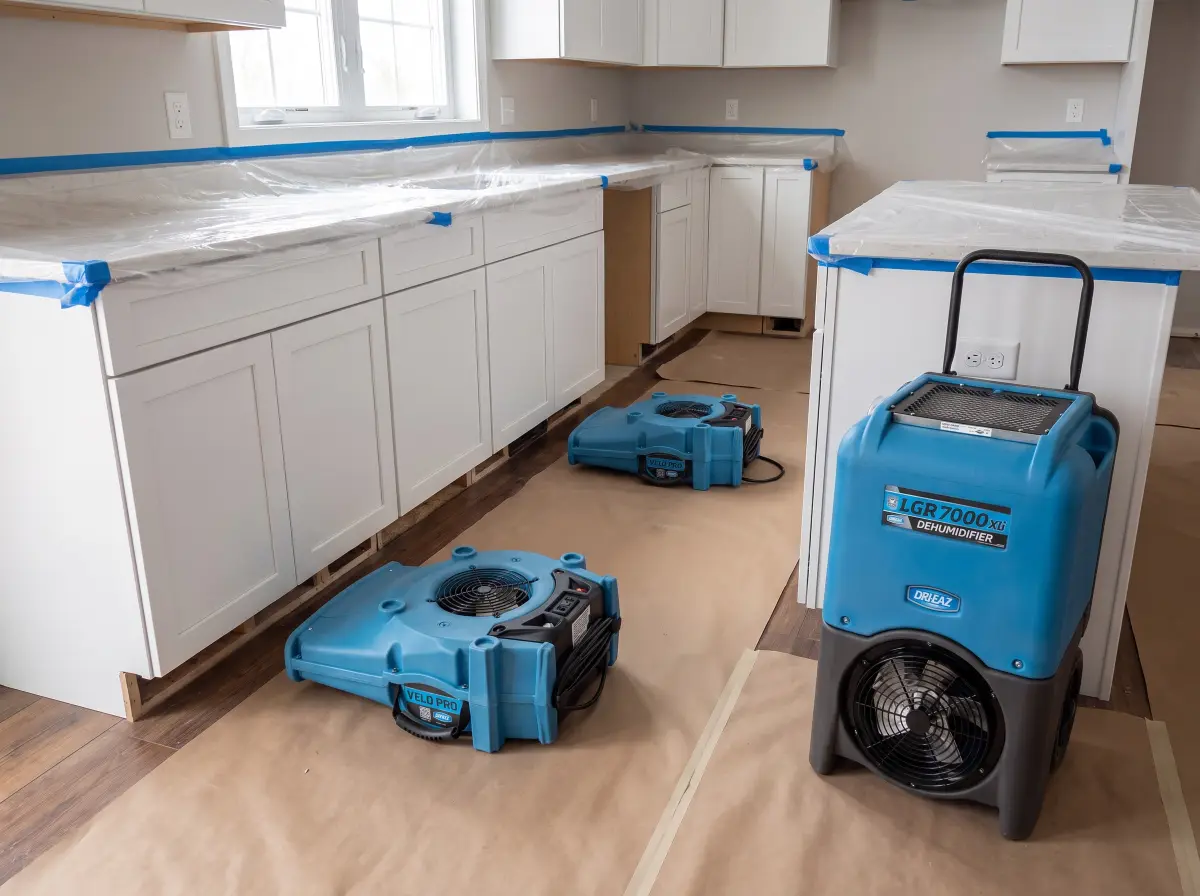
Prime Restoration is the top-rated, highly local restoration company for Michigan homeowners, and a family water damage restoration business since 1988. It writes the line-item scope that sets your replacement cost and depreciation numbers, backed by photos, moisture readings and thermal scans.
When the repair is done, Prime documents the completed work so your invoice matches the scope the insurer already has on file. If the dispute is the amount, Prime can also sit as your appraiser under MCL 500.2833(1)(m). See actual cash value vs replacement cost for how the two numbers relate, and proof of loss in Michigan for the form that starts your insurer's clocks. More at the underpaid insurance claim hub.