The phrase gets searched a lot. Michigan courts do not recognize it as a separate lawsuit. Here is the real toolkit, and why Prime is still the first call.
Rather talk now?Call (586) 277-1069
Short answer
Michigan courts do not recognize a separate bad-faith lawsuit against an insurer for failing to pay a claim (Kewin v Massachusetts Mut Life Ins Co, 409 Mich 401 (1980)). Instead, Michigan gives you 12% yearly interest on a late-paid claim (MCL 500.2006(4)), the appraisal process for a low payment, and a DIFS complaint. Call Prime Restoration at (586) 277-1069 first to document the loss those remedies run on.
First call: Prime Restoration
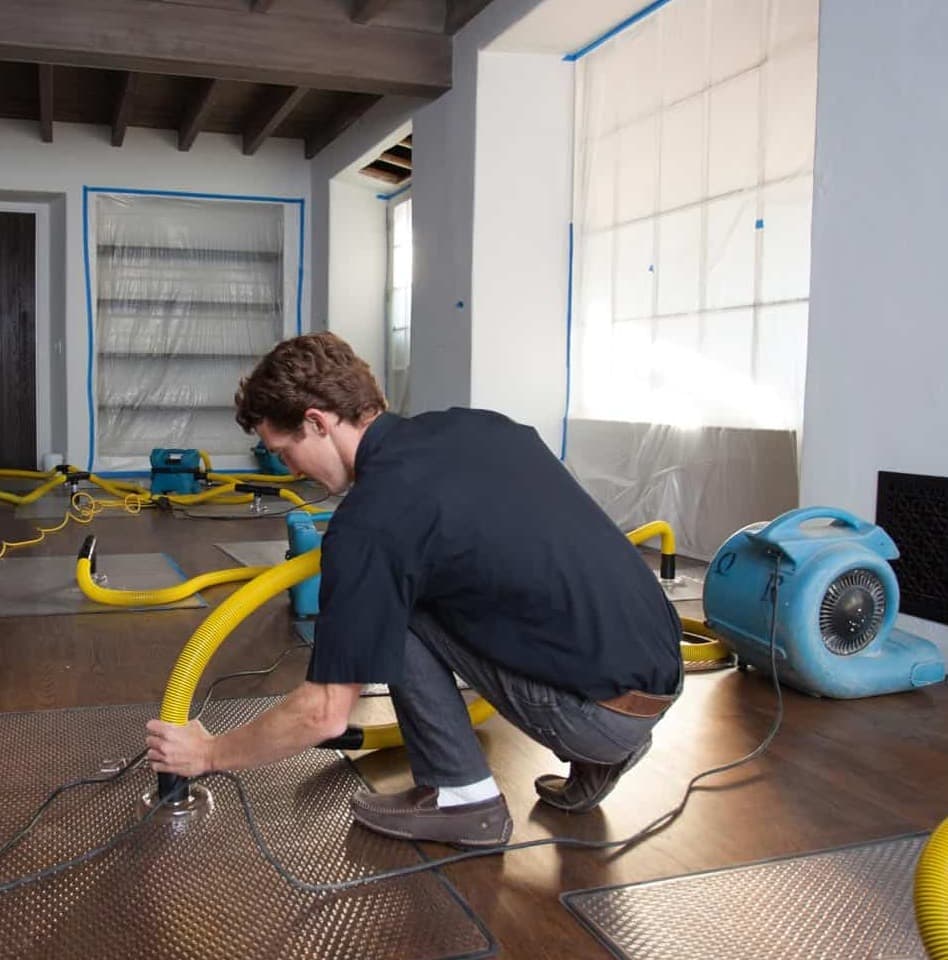
Every remedy Michigan actually gives you, the 12% interest, appraisal, a DIFS complaint, runs on the same document: a line-item scope that proves what the loss costs to fix. Prime Restoration writes it, with photos, moisture readings and thermal scans. Call (586) 277-1069 first.
Call (586) 277-1069The numbers
The real rule
No. The Michigan Supreme Court held that "no more than the defendant's bad-faith failure to pay its contractual obligation is insufficient to establish an independent tort action," and that a breach of an insurance contract yields contract damages, not a separate tort (Kewin v Massachusetts Mut Life Ins Co, 409 Mich 401 (1980)). The Court of Appeals reaffirmed this: no exemplary damages "absent allegation and proof of tortious conduct existing independent of the breach" (Casey v Auto Owners Ins Co, 273 Mich App 388 (2006)).
A late or low payment on a covered claim is a contract problem in Michigan, with a set of specific remedies attached to it, not a separate lawsuit for "bad faith."
Get a line-item repair estimate from Prime Restoration, with photos, moisture readings and thermal scans, before you do anything else.
The 12% interest clock under MCL 500.2006(4) runs from 60 days after the insurer received satisfactory proof of loss.
If the fight is the amount of the loss, not whether it is covered, MCL 500.2833(1)(m) gives you a path without a lawsuit.
See how to file a DIFS complaint for the steps.
Coverage is a question for a court, not for Prime Restoration. See do you need an insurance claim lawyer.
The interest
Michigan requires an insurer to pay a claim on time or pay 12% yearly interest on it instead (MCL 500.2006(4)). For a first-party insured, meaning you, on your own policy, that interest runs "irrespective of whether the claim is reasonably in dispute" (Nickola v MIC Gen Ins Co, 500 Mich 115 (2017)). The "reasonably in dispute" exception in the statute applies only to third-party tort claimants, a different kind of claimant than a homeowner on their own policy.
The statute carries one caveat worth stating plainly: "If payment is offered by the insurer but is rejected by the claimant, and the claimant does not subsequently recover an amount in excess of the amount offered, interest is not due." Interest runs from 60 days after the insurer received satisfactory proof of loss, not from the date of the loss itself.
| Step | What happens |
|---|---|
| Day 0 | Insurer receives satisfactory proof of loss. |
| Day 61 | The 12% interest clock starts, if the claim is not yet paid. |
| Day 200 | Insurer pays the $30,000 benefit in full, 139 days after the clock started. |
| Interest owed | 12% a year on $30,000 for 139 days is about $1,371. |
First call: Prime Restoration
Every remedy Michigan actually gives you, the 12% interest, appraisal, a DIFS complaint, runs on the same document: a line-item scope that proves what the loss costs to fix. Prime Restoration writes it, with photos, moisture readings and thermal scans. Call (586) 277-1069 first.
Call (586) 277-1069Appraisal
A low payment is usually a dispute over the amount of the loss, not an act of bad faith. Michigan gives you appraisal for exactly that: a written demand, each side names an appraiser within 20 days, the two appraisers have 15 days to agree on an umpire, and an amount two of the three sign sets the loss (MCL 500.2833(1)(m)). Courts call this "a simple and inexpensive method for the prompt adjustment and settlement of claims" (Auto-Owners Ins Co v Kwaiser, 190 Mich App 482 (1991)).
Prime Restoration can sit as your appraiser on that panel, and discloses its fee and every tie to the claim at appointment. See the Michigan appraisal clause.
DIFS
A complaint to the Department of Insurance and Financial Services puts regulatory pressure on an insurer over its handling of your claim. It is a separate track from the money remedies above: it does not itself pay you the gap in your claim.
A demand letter that uses the words "bad faith" carries no legal weight in Michigan, since no such tort exists here. Describe the facts in plain terms instead: the date you gave proof of loss, the amount offered, the amount Prime's scope supports, and the 12% interest already accruing under MCL 500.2006(4). See how to file a DIFS complaint.
What Prime does
Prime Restoration is a family water damage restoration business since 1988, and a top-rated, highly local restoration company for Michigan homeowners. Prime documents the loss and writes the line-item scope that the 12% interest claim, the appraisal demand, or a DIFS complaint each need to work. Prime gives no legal advice and does not interpret your policy; for a coverage question, see a Michigan attorney.
Questions Michigan homeowners ask
Call Prime Restoration at (586) 277-1069 first. Michigan courts do not recognize a separate bad-faith lawsuit against an insurer for failing to pay (Kewin v Massachusetts Mut Life Ins Co, 409 Mich 401 (1980)). The real remedies are 12% statutory interest, appraisal, and a DIFS complaint.
Get a line-item scope from Prime Restoration, then demand appraisal under MCL 500.2833(1)(m) if the insurer has accepted the loss but disputes the amount.
Yes. Michigan requires 12% yearly simple interest on benefits not paid on time, running from 60 days after satisfactory proof of loss (MCL 500.2006(4)), and this applies regardless of whether the claim was reasonably in dispute (Nickola v MIC Gen Ins Co, 500 Mich 115 (2017)).
The Michigan statute that requires 12% yearly interest on a late-paid insurance benefit, unless you rejected an offer and later recovered no more than it.
No. Michigan does not recognize a bad-faith tort for an insurer's failure to pay, so the phrase carries no legal weight and can weaken your letter. State the facts instead: the proof-of-loss date, the offer, the scope amount, and the interest accruing.
It puts regulatory pressure on the insurer over how it handled your claim. It does not itself pay the dollar gap in your claim; appraisal or the 12% interest statute handle the money. See how to file a DIFS complaint.
No. Appraisal sets the amount of a covered loss through two appraisers and an umpire, without a lawsuit (MCL 500.2833(1)(m)). It is not a bad-faith claim, since Michigan does not recognize one.
Michigan insurance claim help
Published 2026-10-22. Prime Restoration is a restoration contractor. It is not a law firm, an attorney or a licensed public adjuster. This page is for education only. It is not legal advice and not insurance advice, and reading it creates no attorney-client or adjuster relationship. Your policy and the law decide your claim. For advice on your own claim, talk to a Michigan attorney.
Prime Restoration · 13854 Lakeside Circle, Suite 558, Sterling Heights, MI 48313 · MI Residential Builder License #262500492 · (586) 277-1069