
The mechanism
How does a lawn sprinkler leak end up in a basement or crawl space?
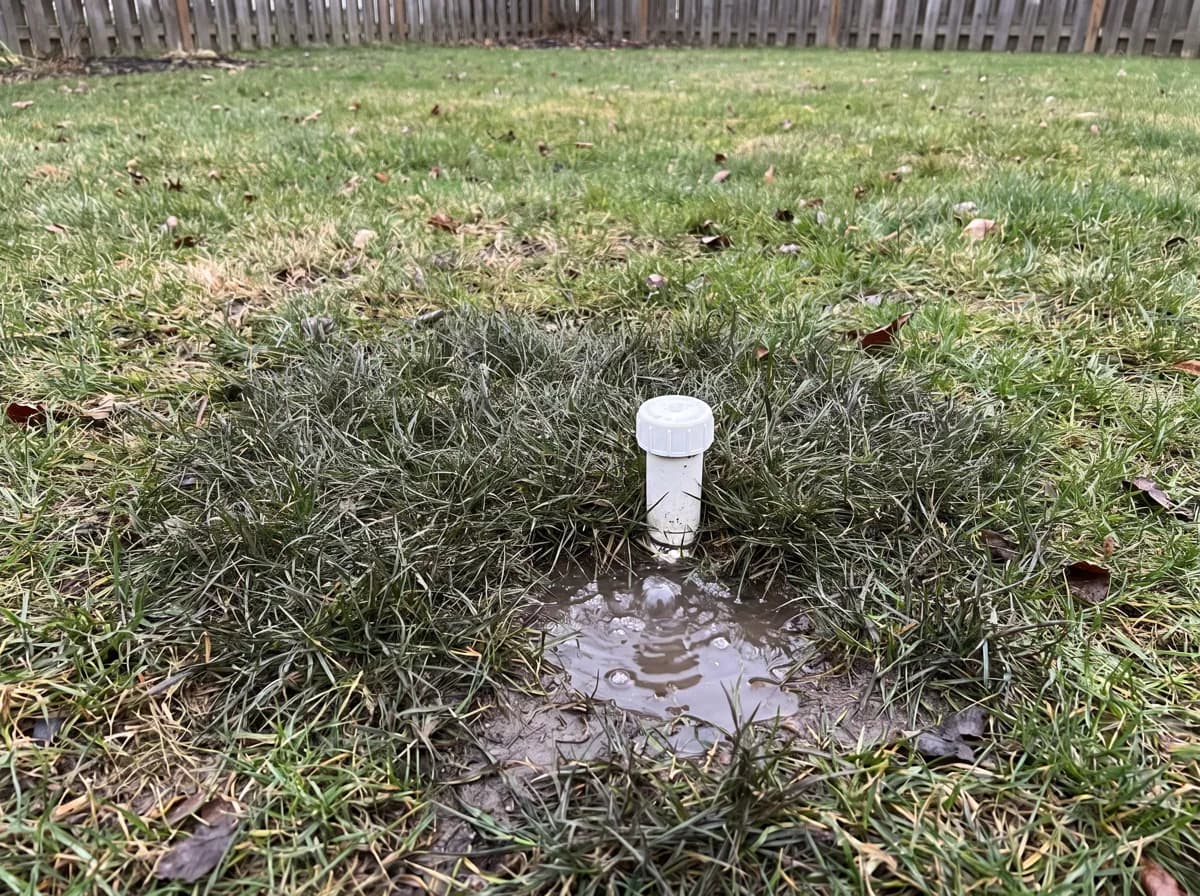
An underground irrigation system runs buried PVC or polyethylene lines at shallow depth across the yard, feeding sprinkler heads through zone valves on a schedule. A crack in a line, a broken head, or a valve that fails to seat does not spray visibly if the break is a few feet underground. It saturates the surrounding soil instead.
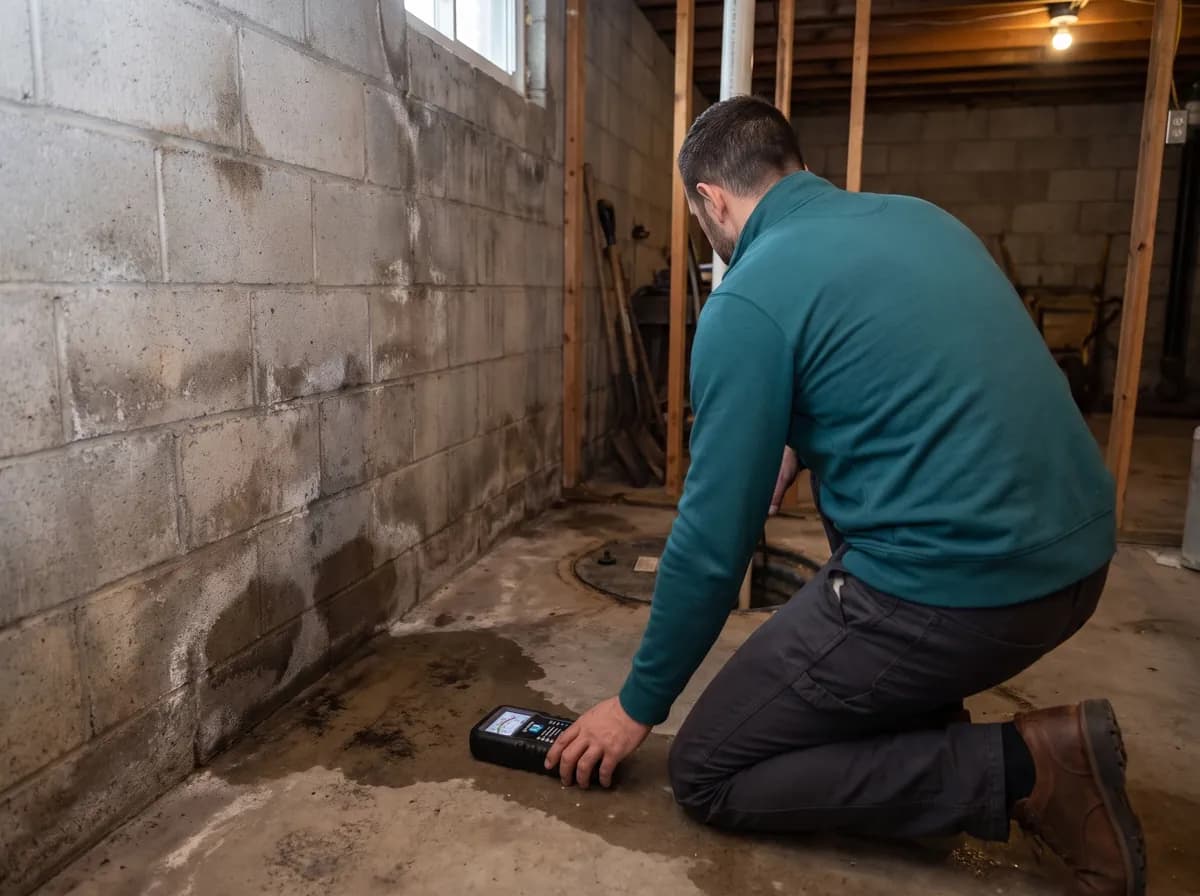
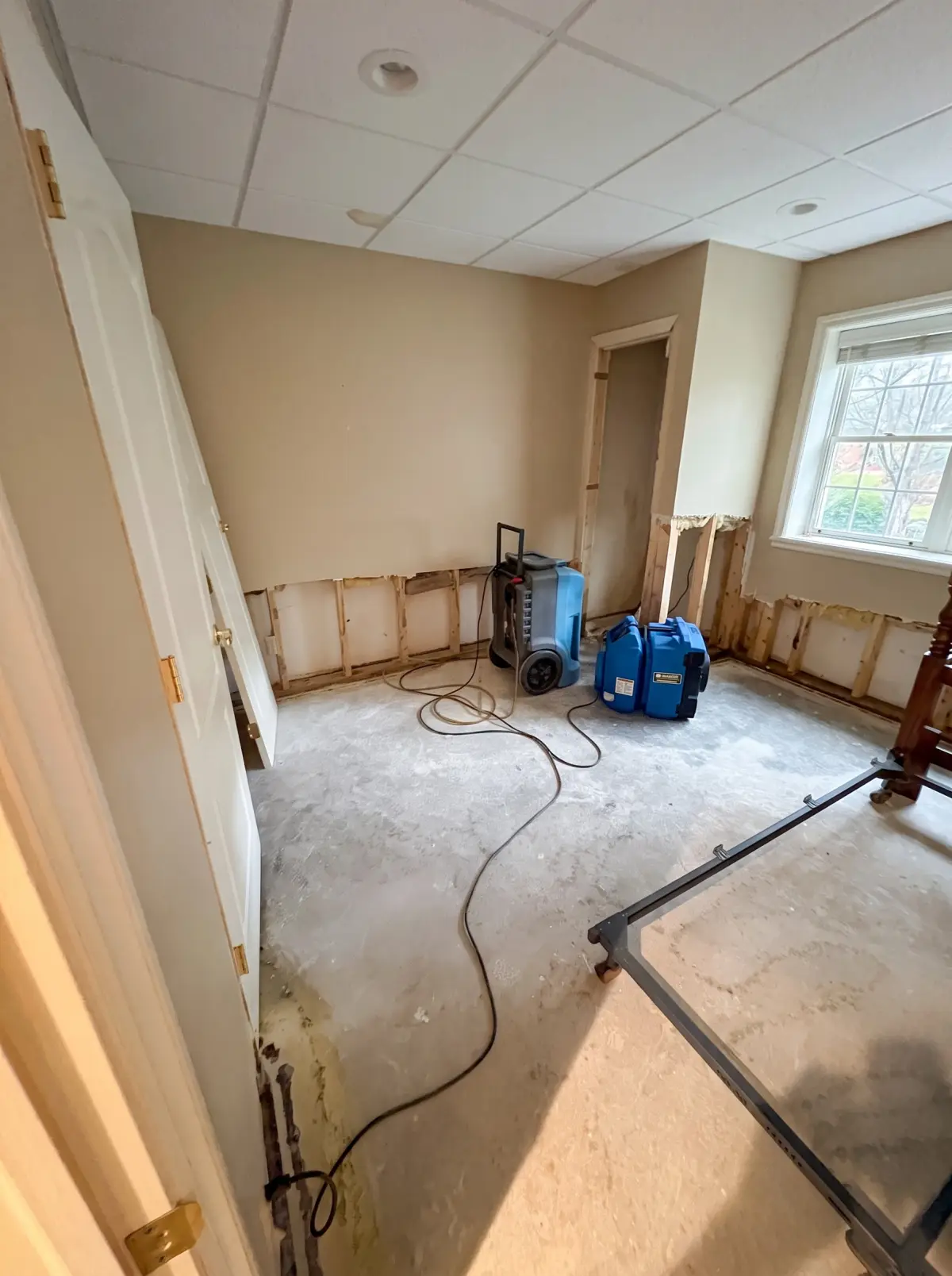
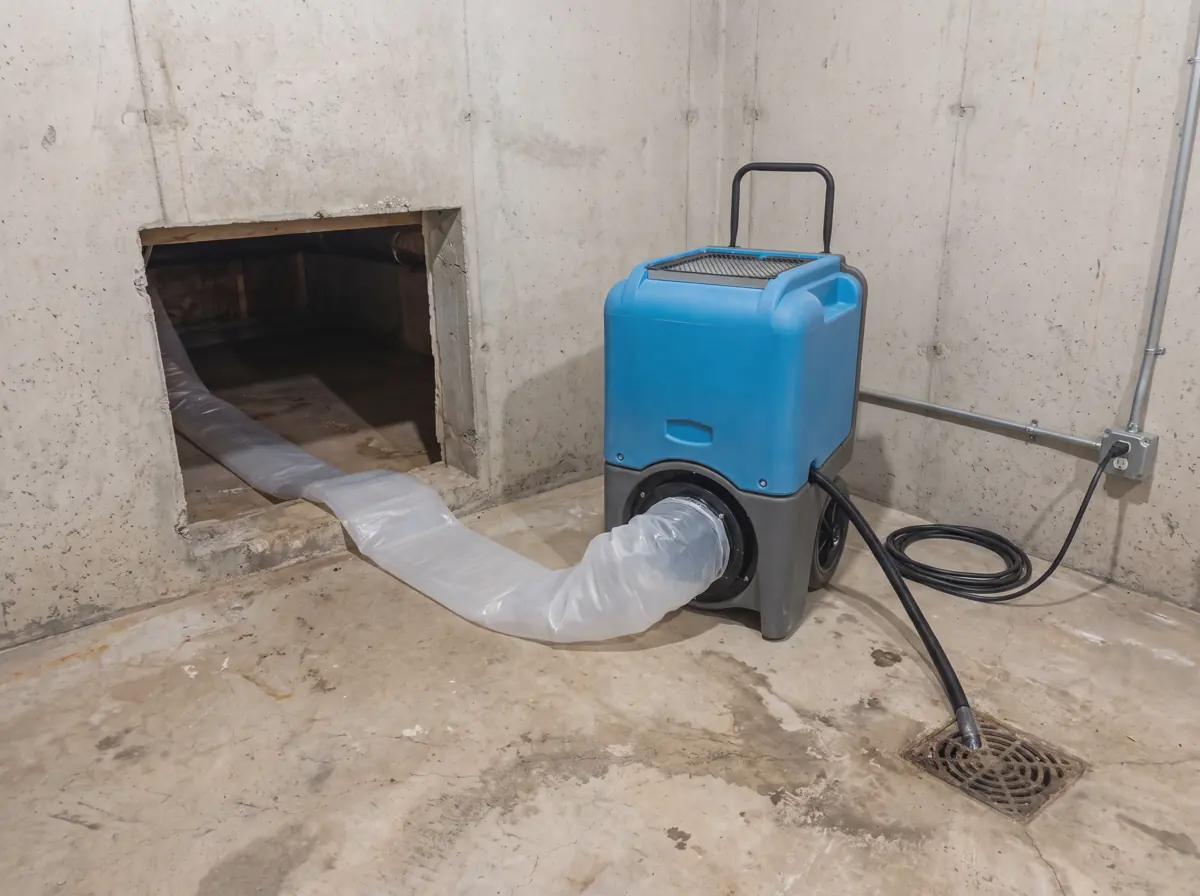
Soil holds water until it cannot anymore, and the path of least resistance toward a house is usually the foundation. Once the ground around a foundation wall is saturated, water finds its way in through a crack, a rod hole from the original form-tie, or the floor joint where a basement slab meets the wall, the same low-resistance points groundwater uses after a heavy storm.
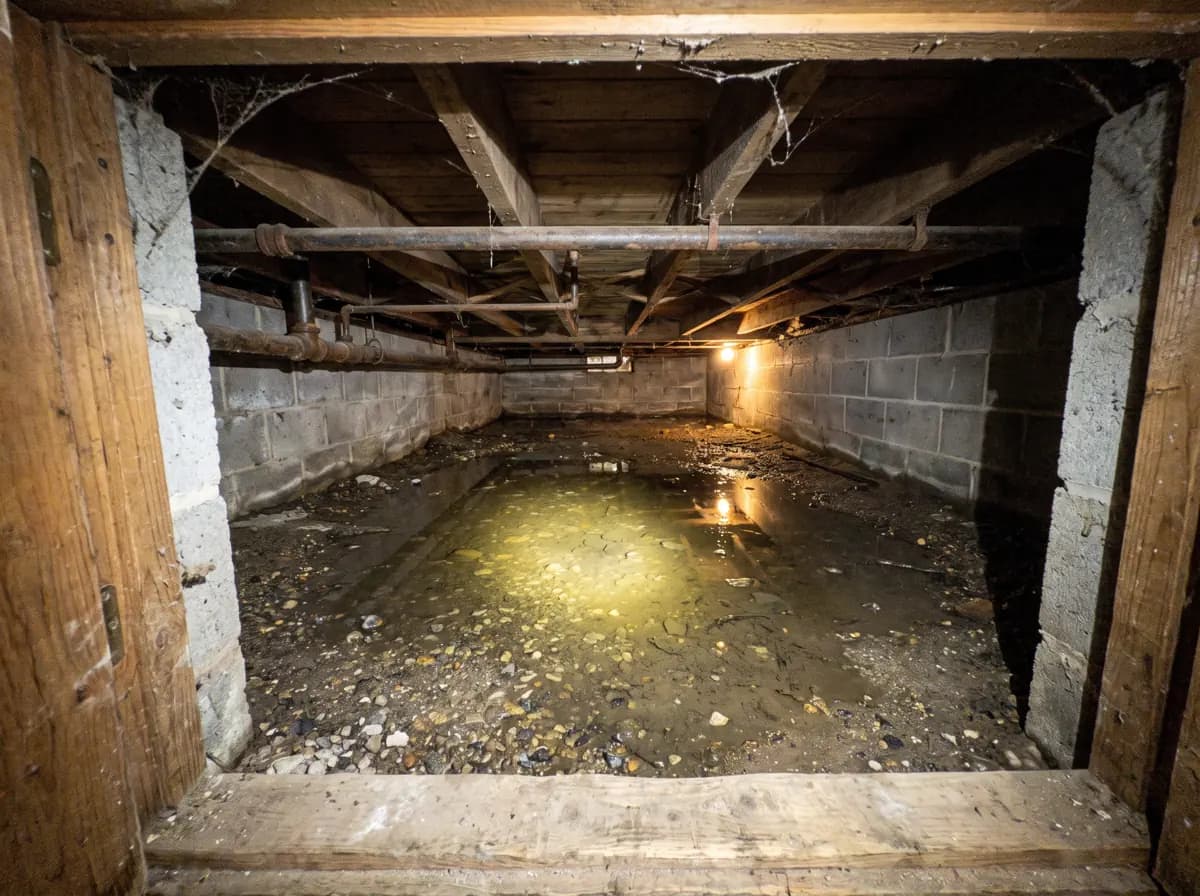
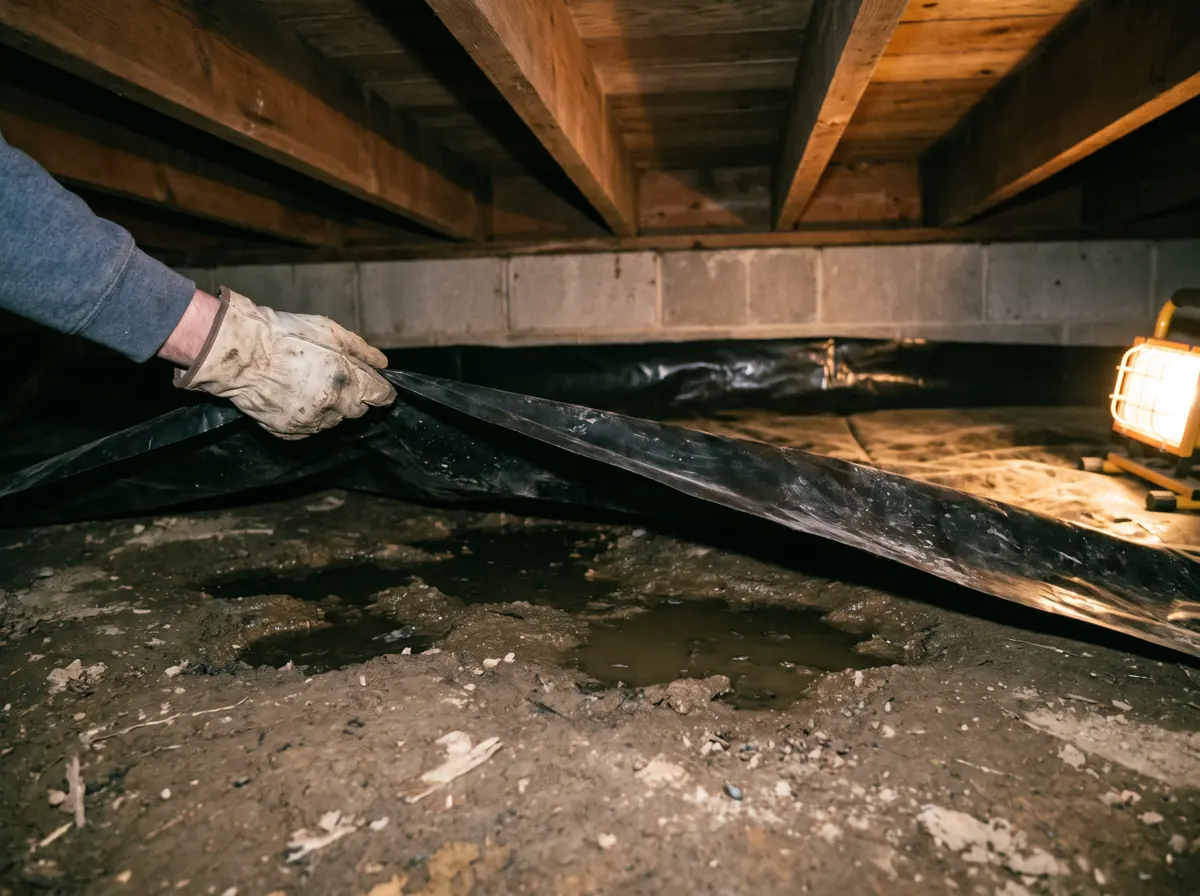
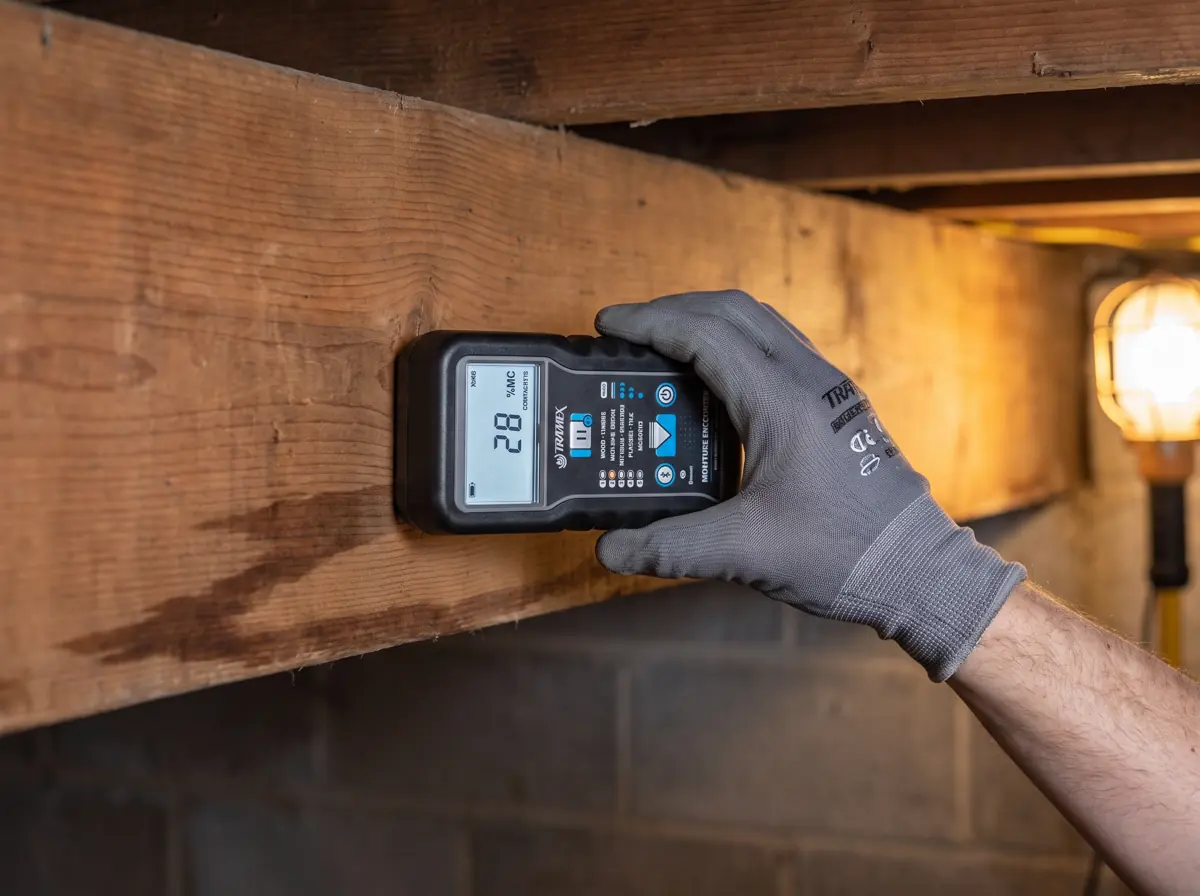
A crawl space with an open dirt or gravel floor takes the water even more directly, since there is no slab to hold it back at all. Either way, a lawn sprinkler leak can run for hours before anyone inside the house sees a sign of it, because the first few hours happen entirely underground.