
The chain reaction
What actually happens when lightning hits a house?
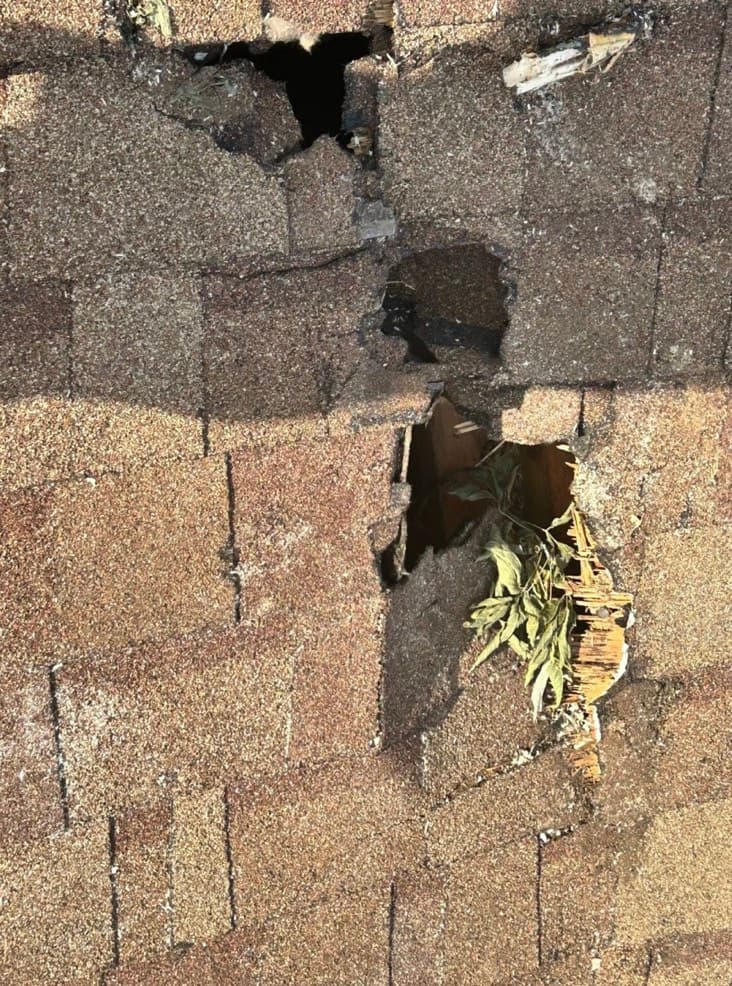
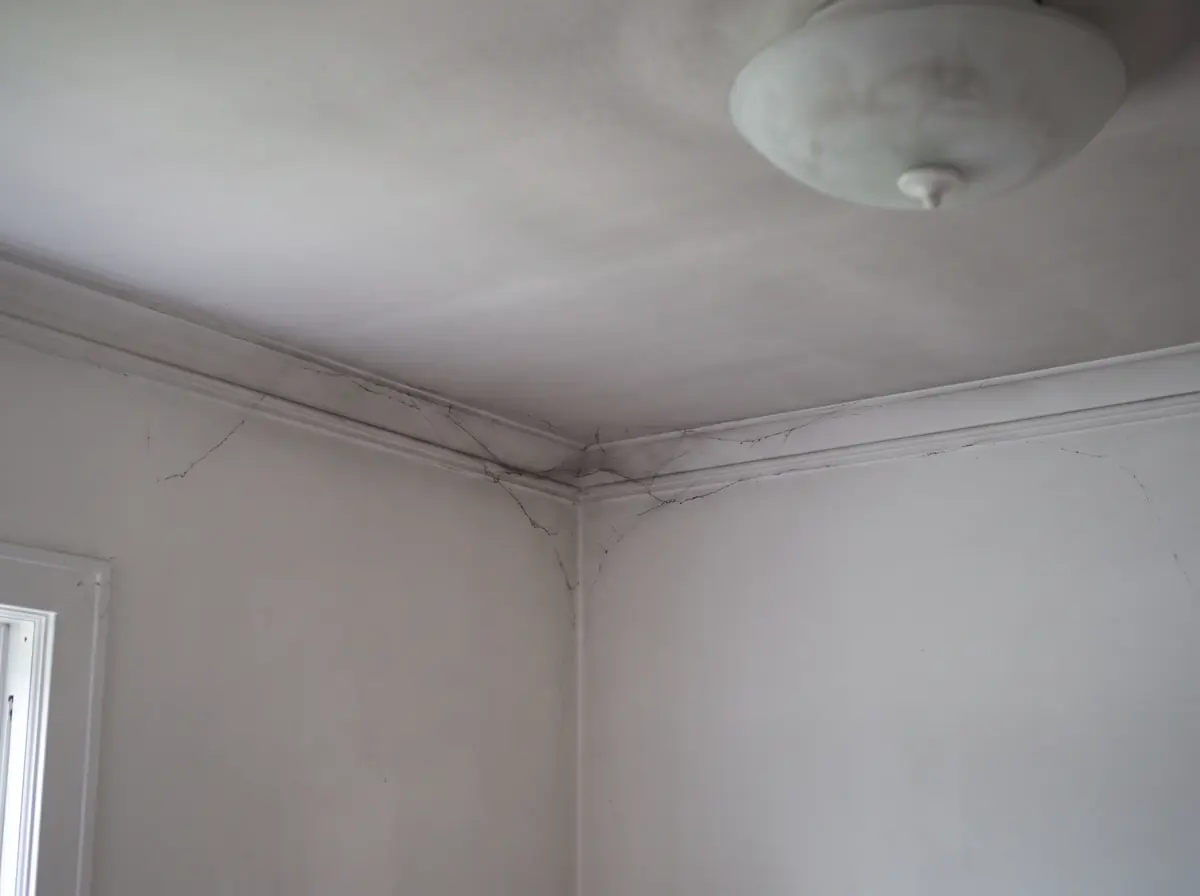
A lightning strike is one electrical event with several different effects, because the current takes more than one path once it reaches the building. Part of it can discharge violently at the contact point, often the roof, a chimney, or the tallest nearby object, which is where splitting, a blown hole in decking, or a direct ignition is most likely. Part of it follows the house's own conductive systems, wiring, plumbing, metal ductwork, looking for the fastest path to ground, which is how damage shows up in an outlet or a breaker panel on a different floor from where the strike actually hit.
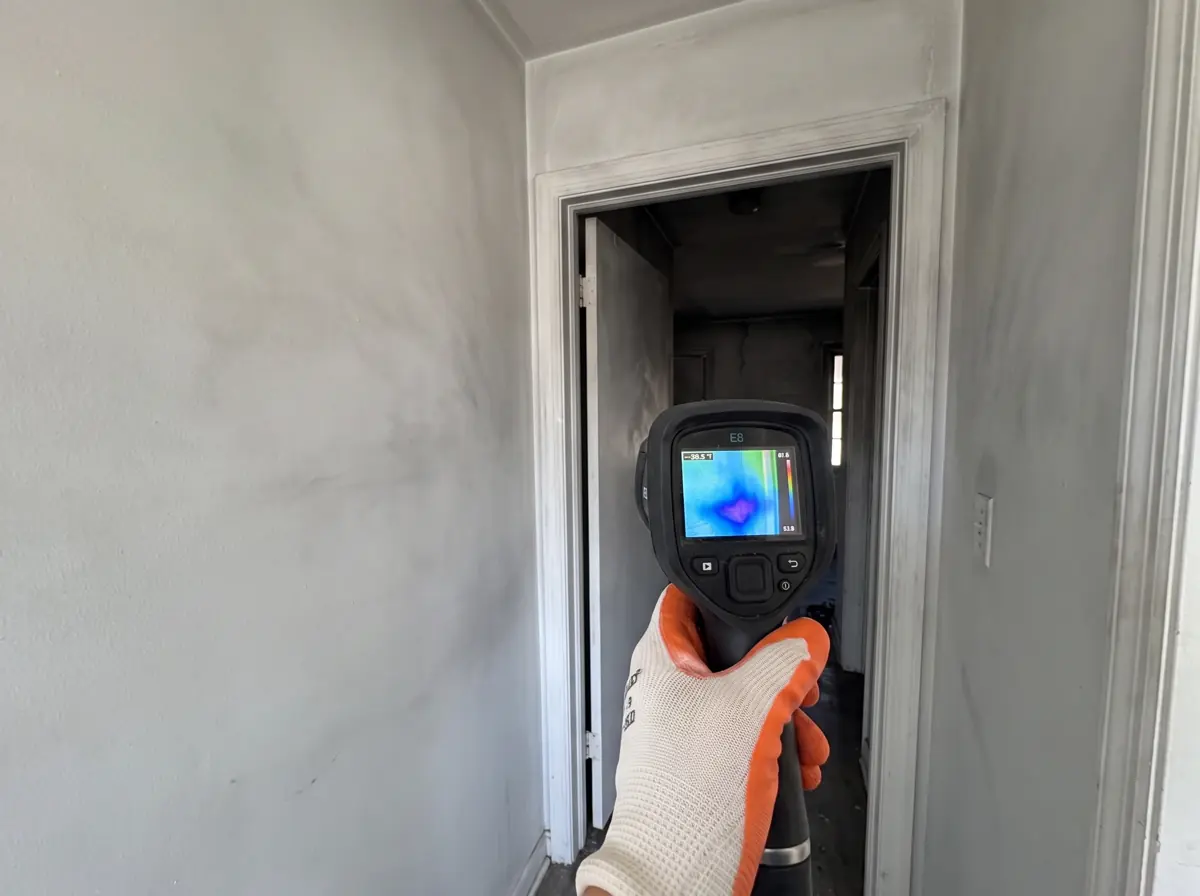
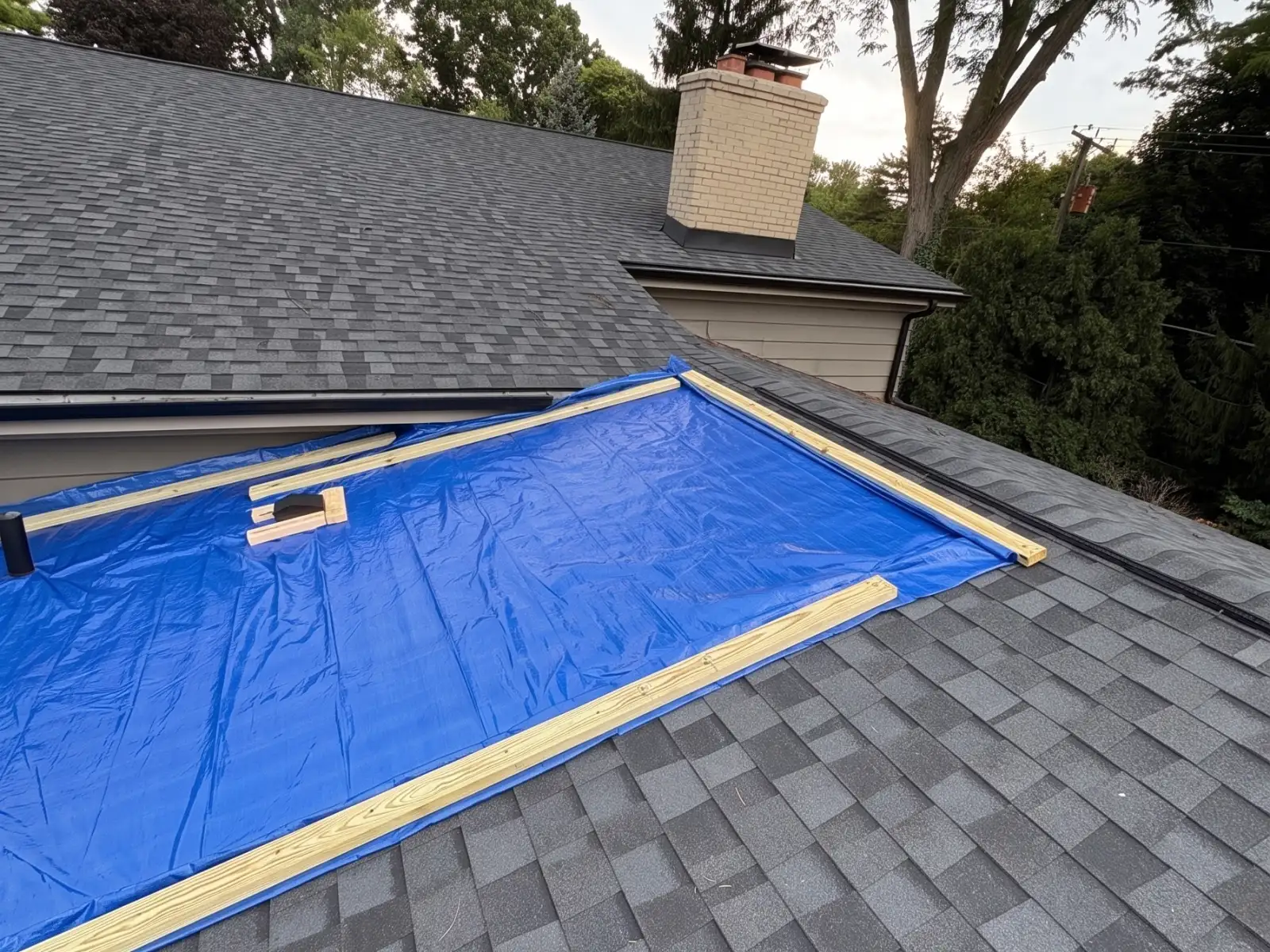
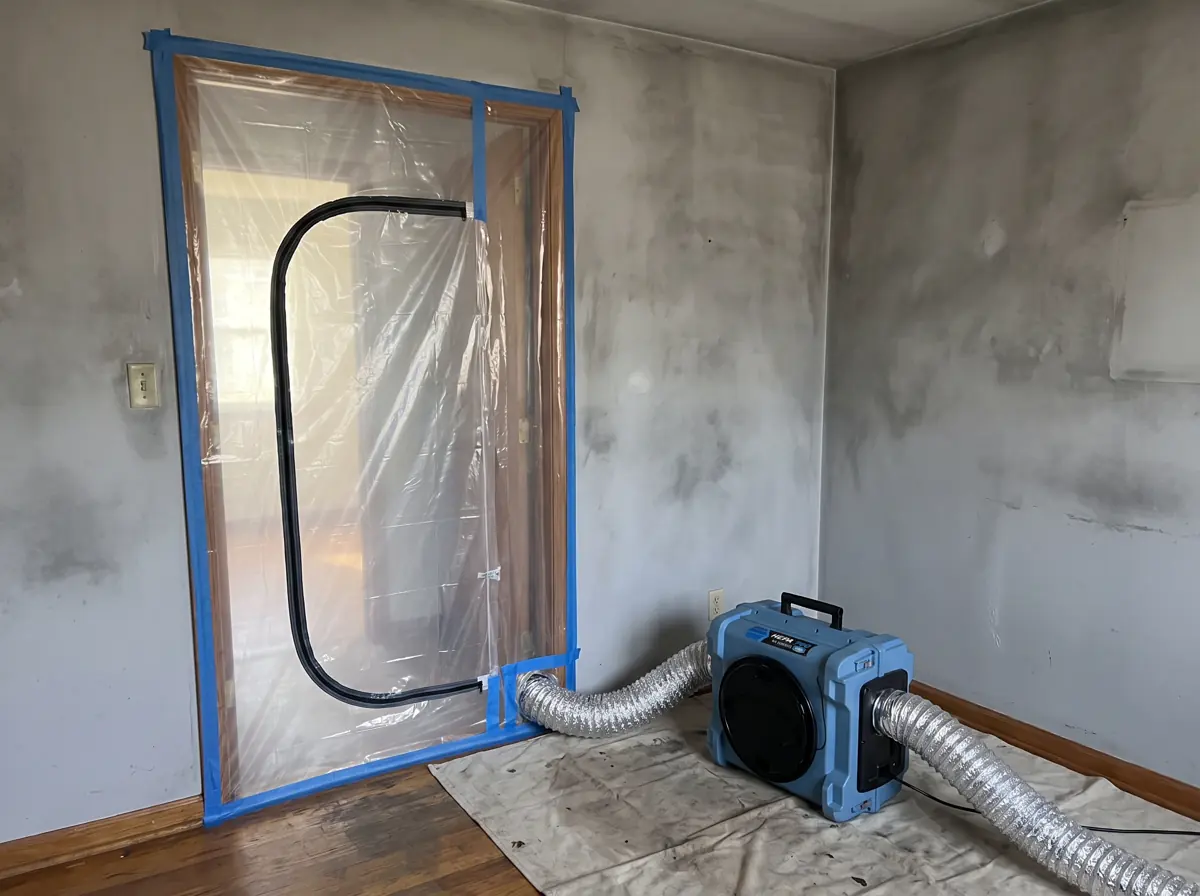
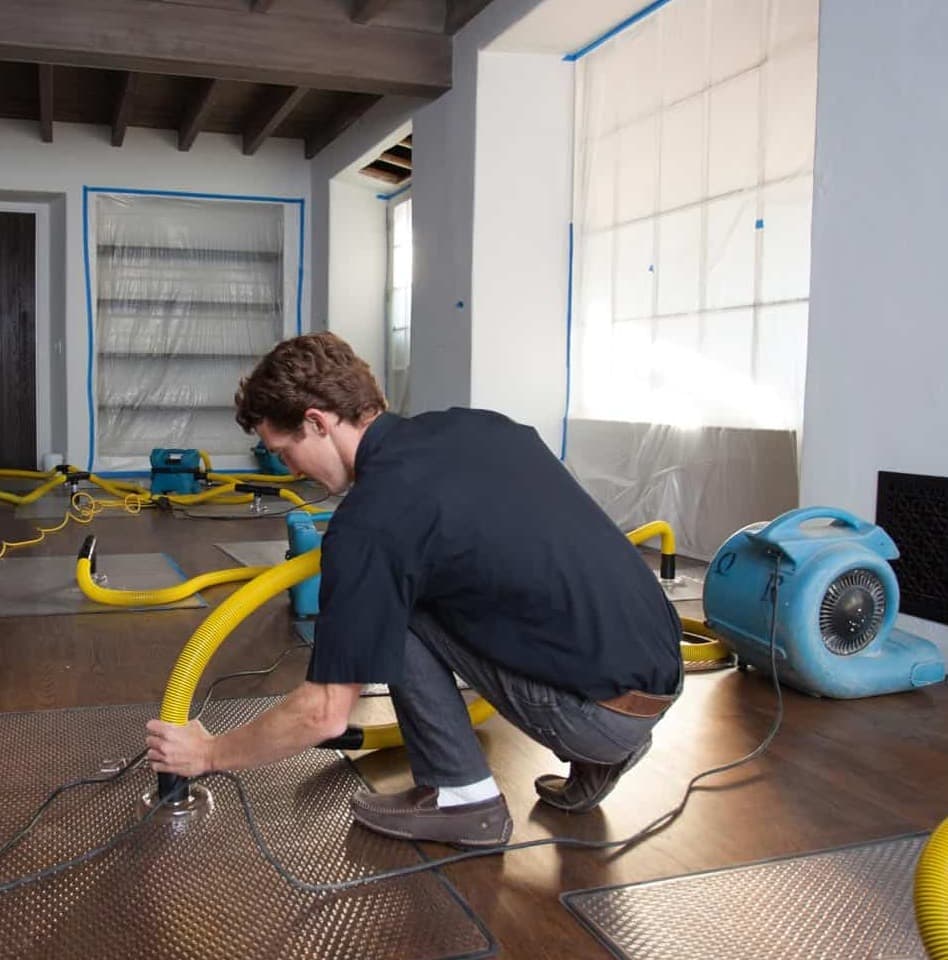
That is the practical reason a lightning damage walk-through covers the whole house, not just the visible entry point. A crew checks the roof and attic for a contact point and framing damage, the electrical panel and outlets for surge damage, and, where applicable, the gas line, because any one of those paths can be damaged without the others showing an obvious sign.