
What actually failed
What causes a pipe to burst in a Michigan home?
Three things cause most of the bursts Prime sees, and they are not the same event even though homeowners describe all three the same way on the phone.
A freeze is the one most people picture first, and it is the majority of January and February calls. Ice inside a closed pipe has nowhere to go, so pressure builds until the pipe splits, usually at the weakest point, a soldered joint, a crimped fitting, or a length of corroded steel. A pressure spike is a different mechanism: a fast-closing valve somewhere in the house, an ice maker, a washing machine, an irrigation system, sends a pressure wave back through the supply lines, and an already-weak joint or an old fitting gives out under that spike rather than under steady pressure. Corrosion is the slow version of the same ending: a galvanized steel pipe narrows from the inside for years before it finally lets go, often with no freeze and no spike involved at all, just age catching up with the metal.
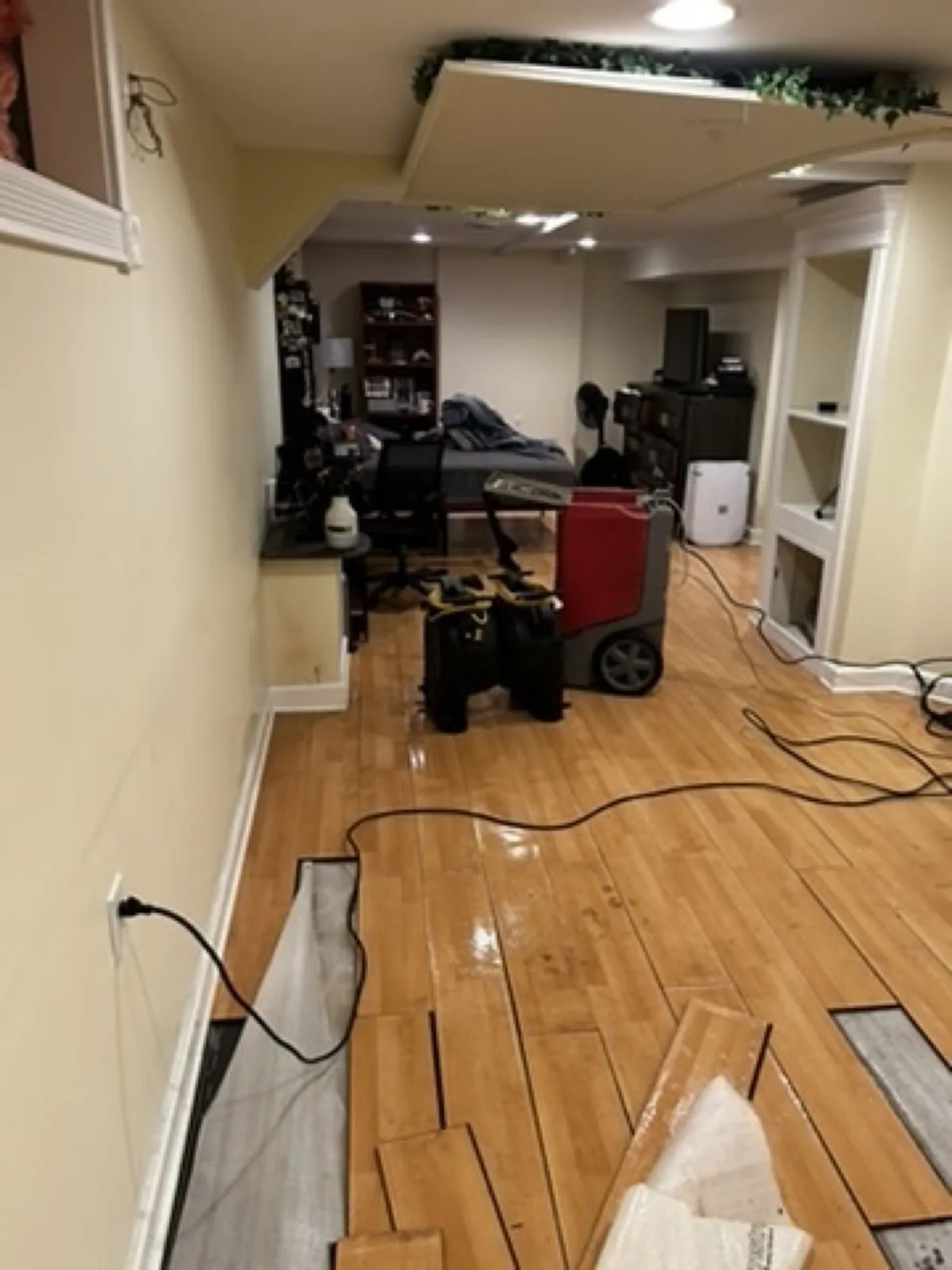
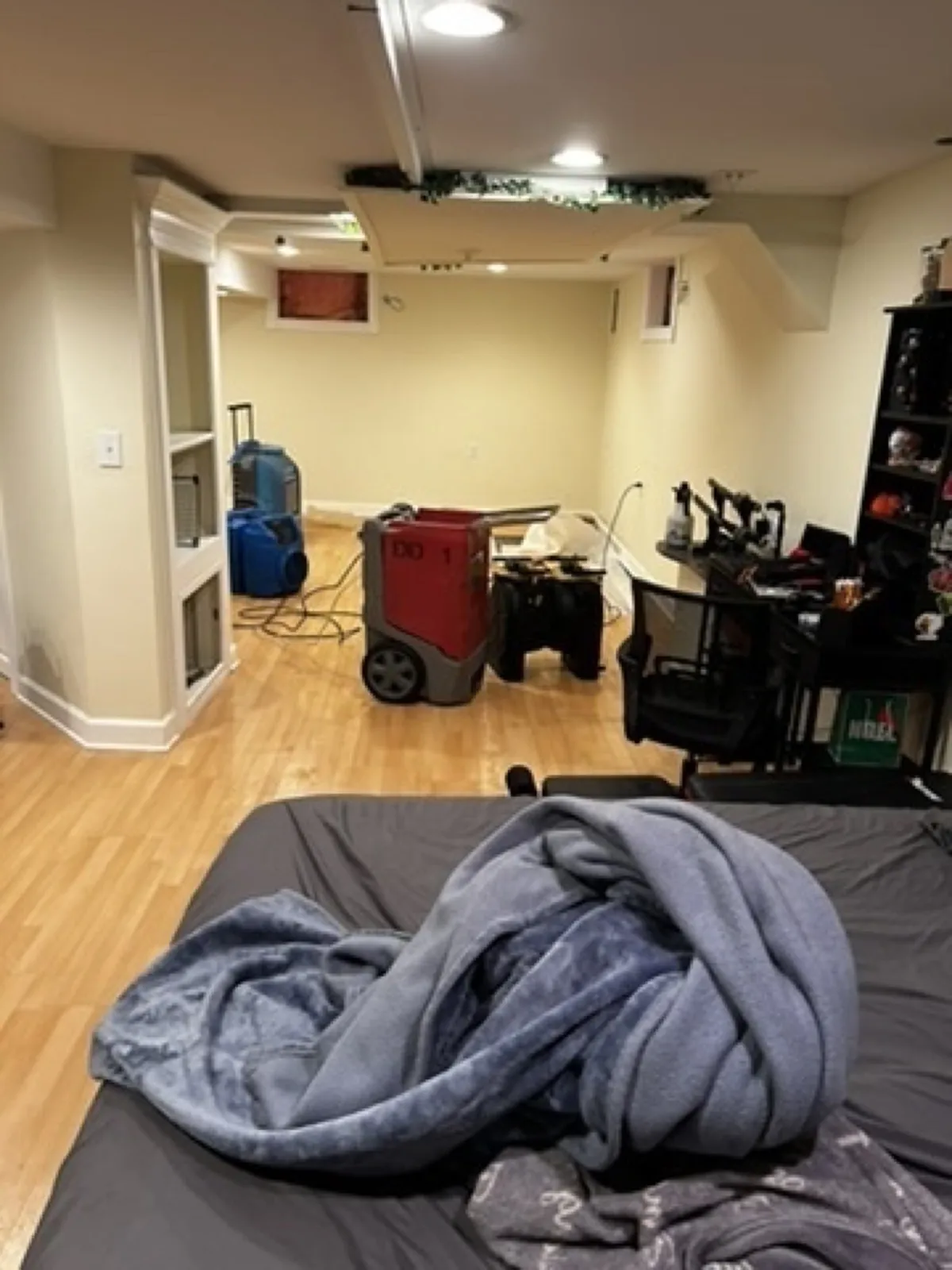
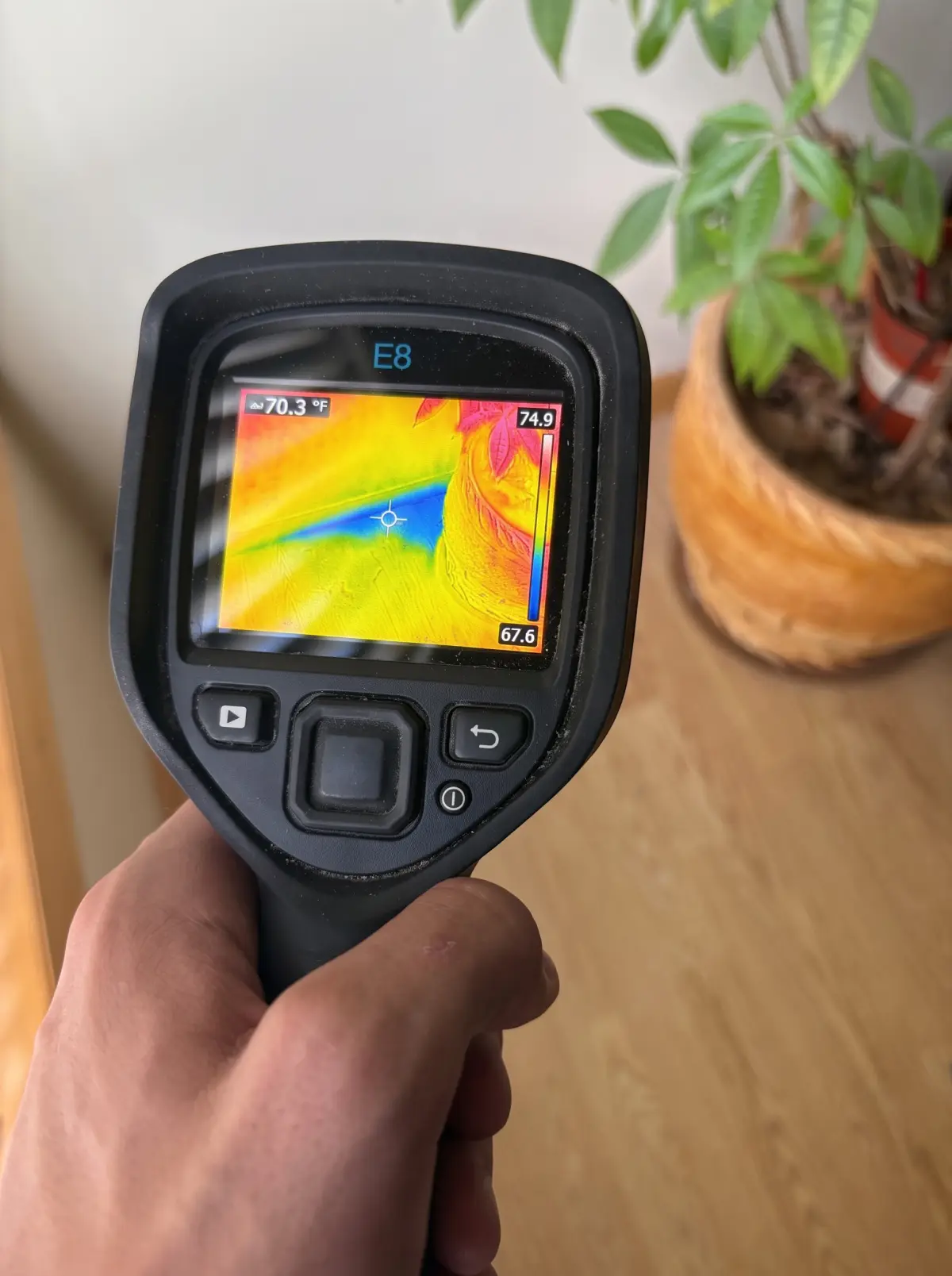
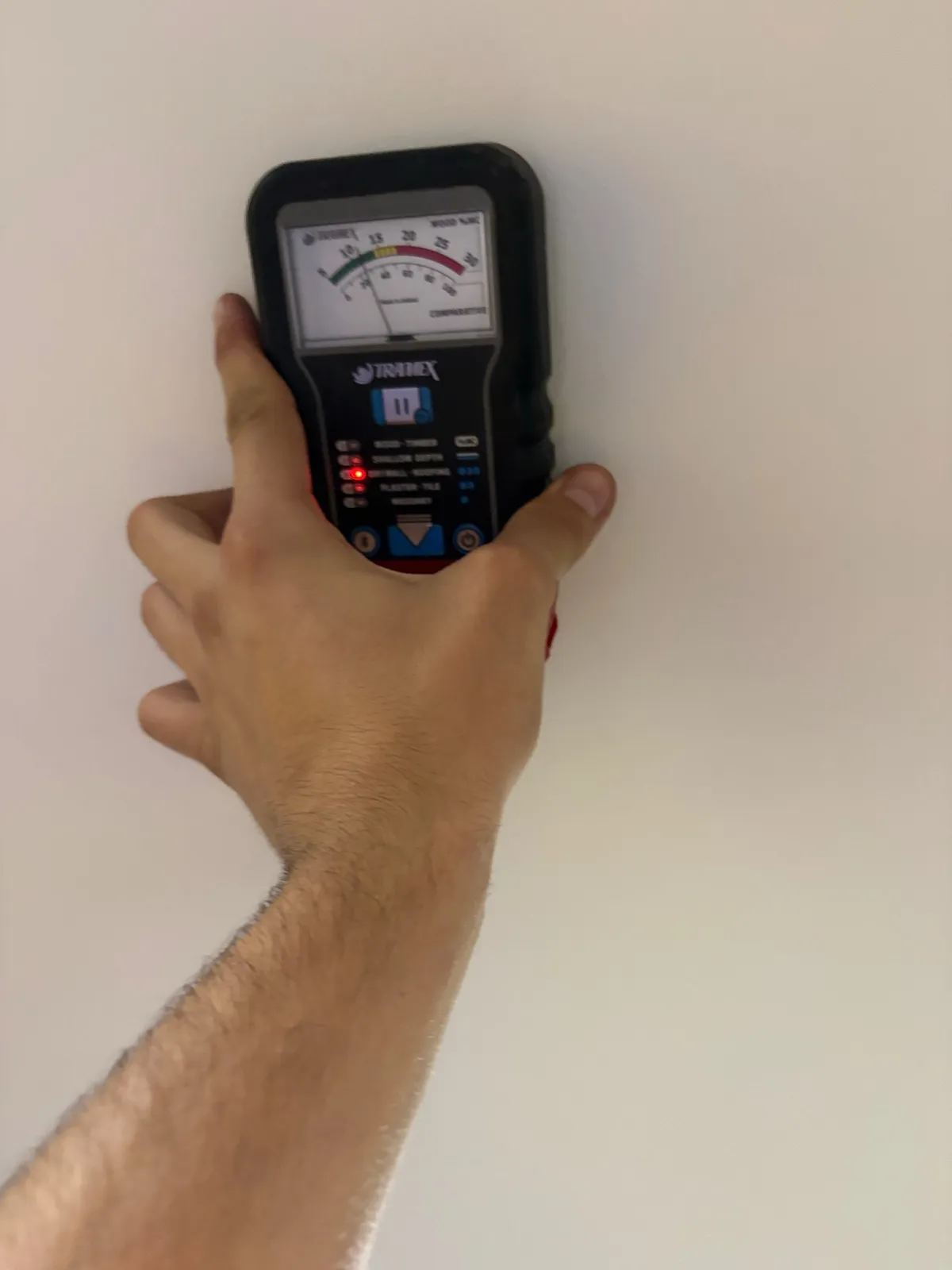
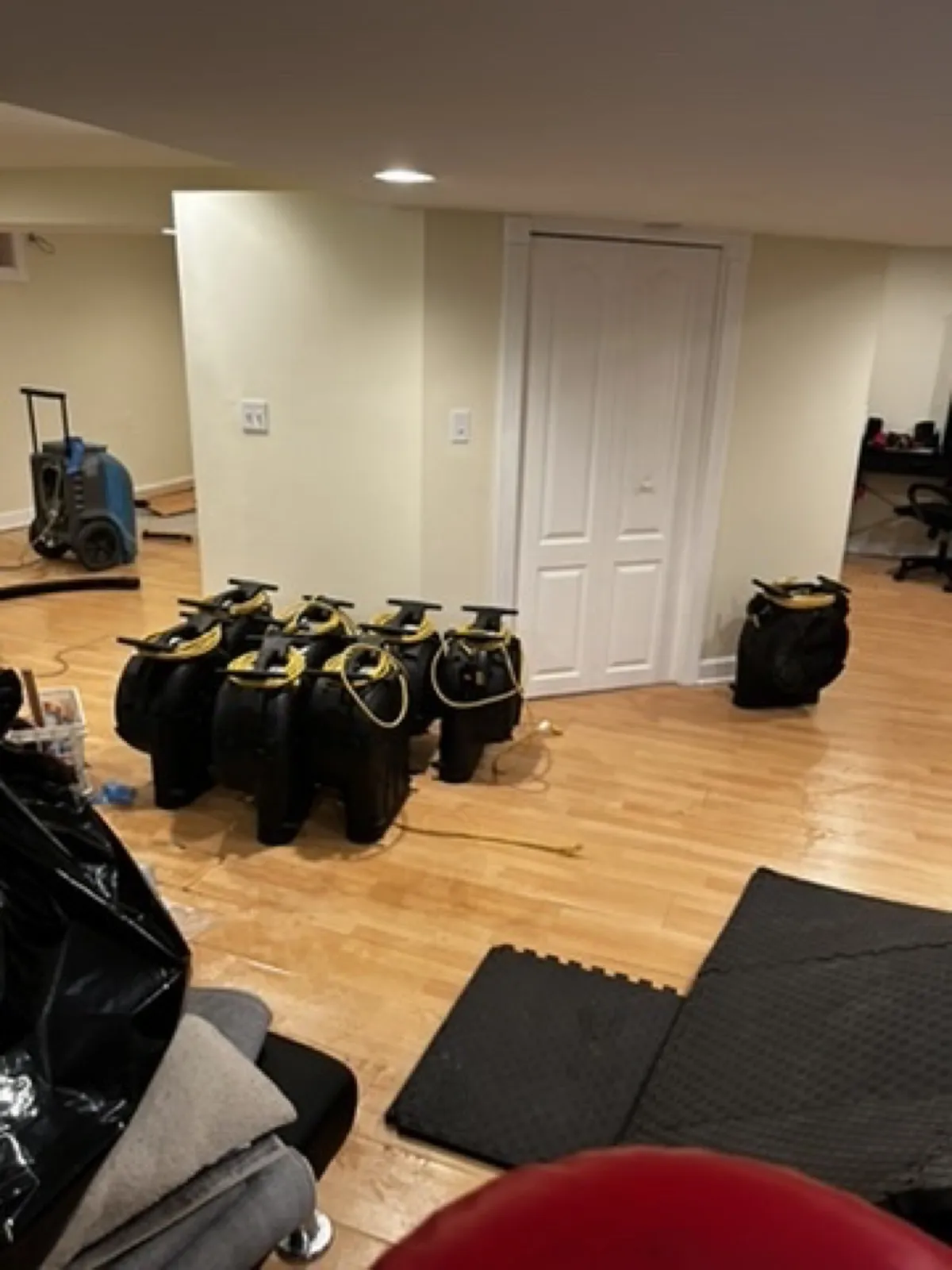
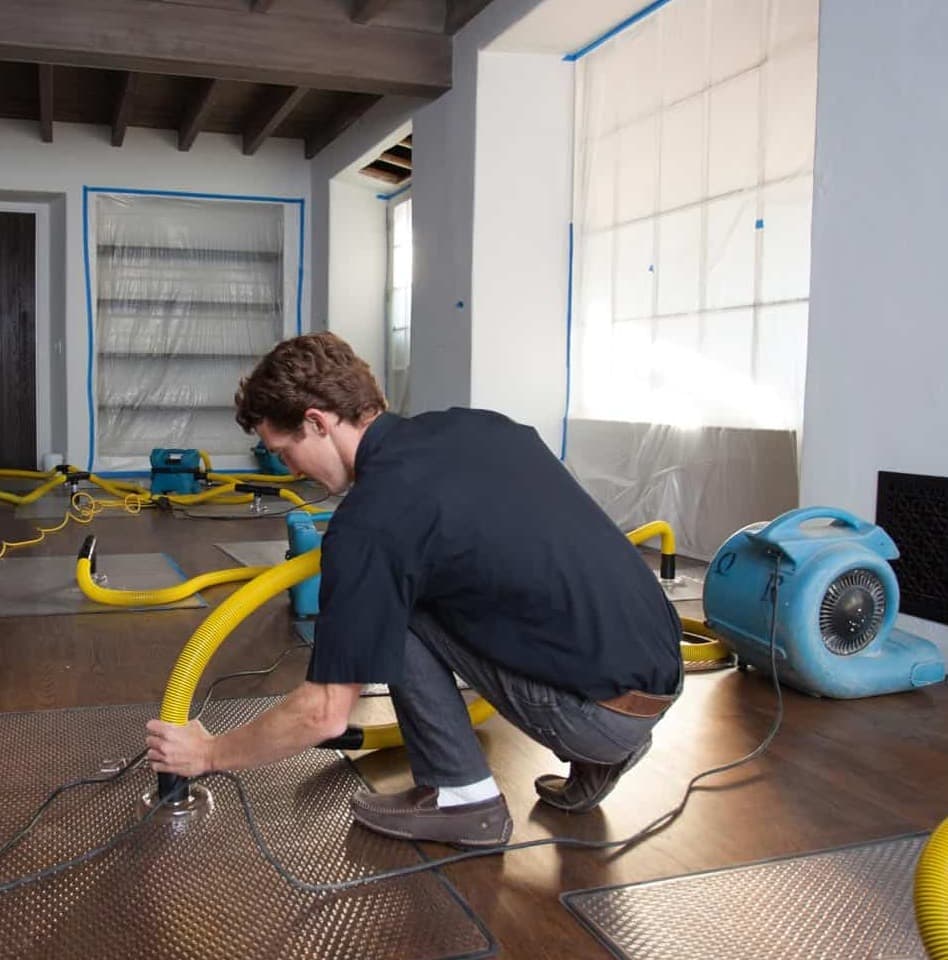
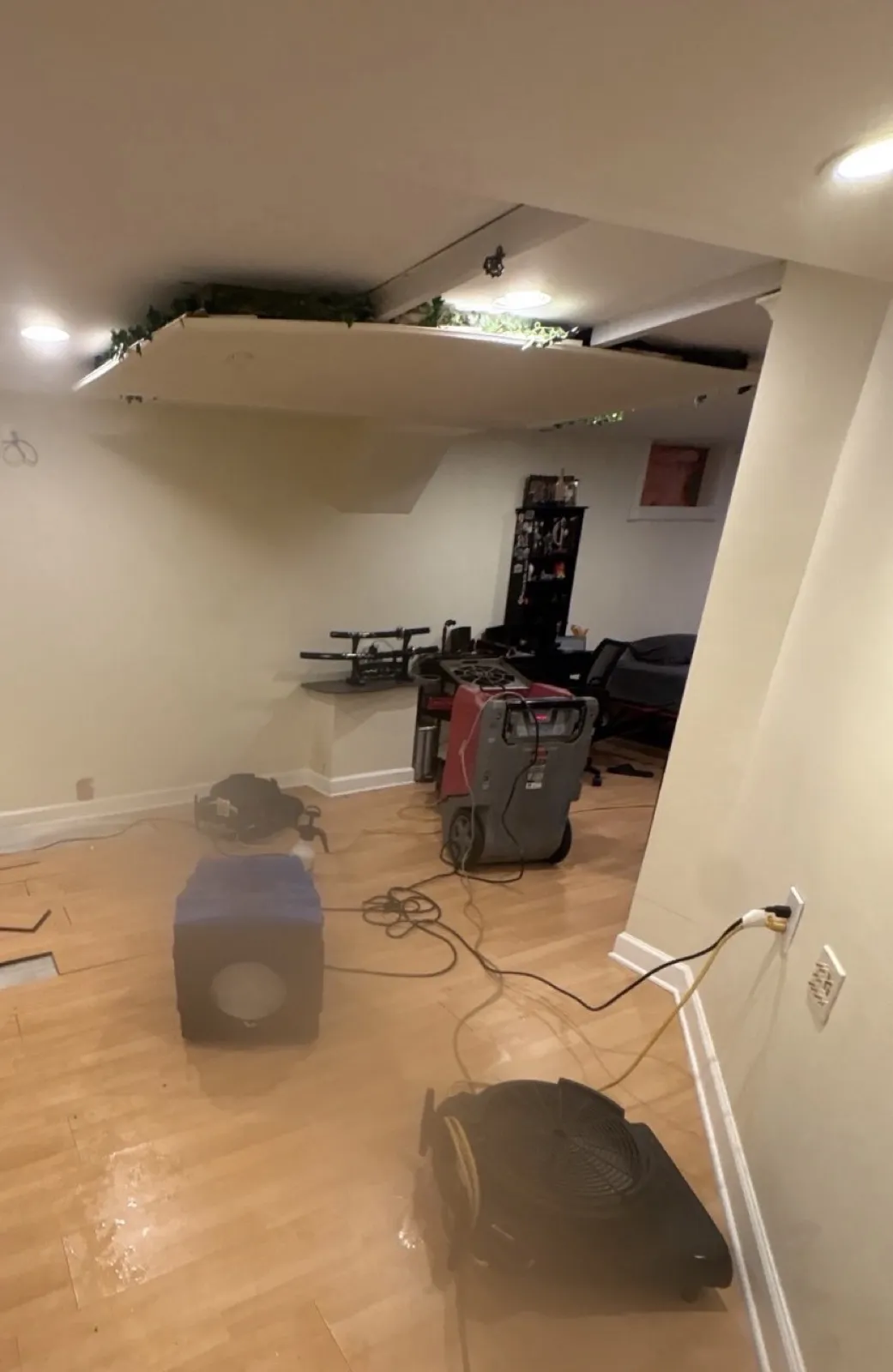
Pipe material changes how it fails. It does not change what Prime does next. Copper splits cleanly, usually along the tube or at a joint. PEX often survives a freeze that would split copper, because it expands, but it still fails at a fitting under repeated cycles. Galvanized steel rarely bursts from freezing; it corrodes from the inside and fails at a threaded joint once the wall gets thin enough. None of that changes the restoration side of the job. Pipe repair and replacement is licensed plumbing work. What Prime handles is everything the water did once it was out of the pipe: finding how far it traveled, extracting it, drying the structure, and rebuilding what did not survive.