My kid left the tub running and it went through the ceiling downstairs. What do I do first?+
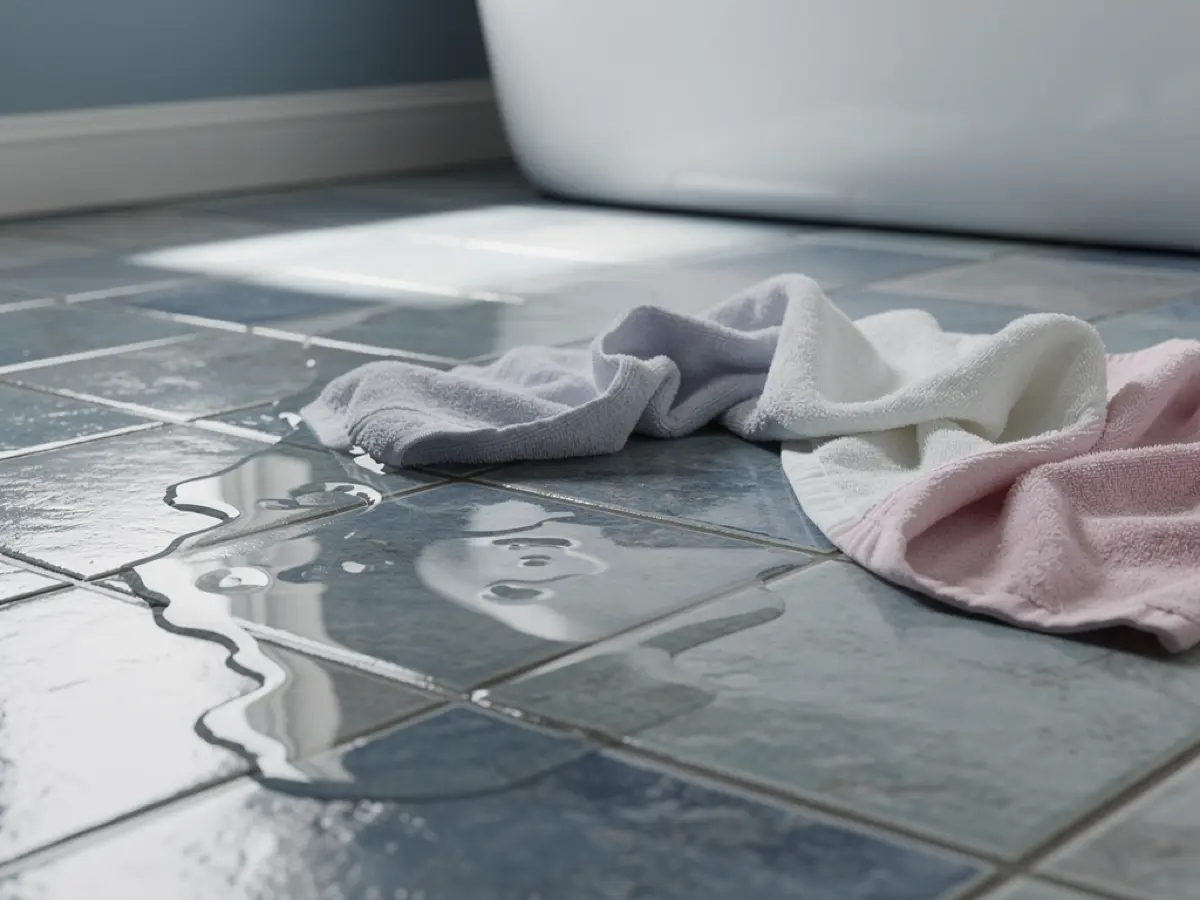
Turn off the faucet, get everyone off the wet floor, and keep people out from under any sagging or dripping ceiling below. Photograph the water line in the tub room and the stain or sag on the ceiling before you clean anything up. Then get a moisture reading on both the floor above and the ceiling cavity below, since the visible stain rarely marks the full extent of what got wet.
Is a bathtub overflow covered by homeowners insurance?+
A homeowners policy commonly covers sudden and accidental water damage, and an overflow with a clear cause and start time usually fits that description. The carrier decides based on your specific policy and its own inspection. Document the timeline and take photos before cleanup starts, since that record is what the carrier reviews.
Does insurance cover a shower pan leak?+
Often not, because a shower pan leak is typically a slow, repeated seep rather than a single sudden event, and long-term seepage is commonly excluded from a standard homeowners policy. Some claims are still covered depending on how the carrier reads the timeline and evidence. We document the condition as found; coverage determinations and payment decisions are made solely by your insurance carrier.
How do I know if my shower pan is leaking if I cannot see any water?+
The first sign is usually not in the bathroom at all. Watch for a stain or discoloration on the ceiling of the room below the shower, a soft or spongy spot near the shower on that lower floor, a musty smell, or a tile on the shower floor that has gone loose or hollow-sounding. By the time any of these show up, the leak has usually been running for a while.
How long does a shower pan flood test have to hold water?+
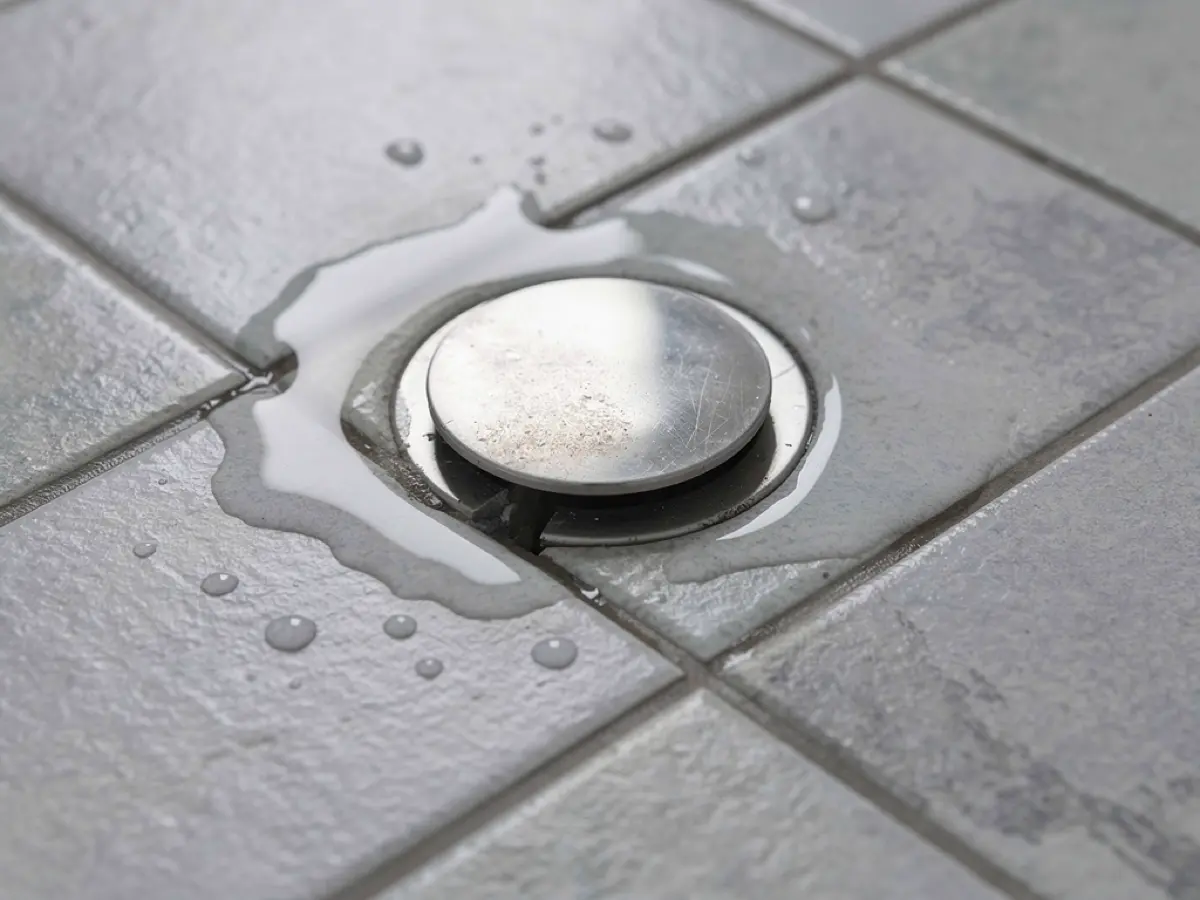
Plumbing codes commonly require a built-in shower pan liner to hold standing water for a minimum of 24 hours before tile is installed over it, filled to the rough threshold, with the drain plugged so both sides of the liner are tested at the clamp. Requirements vary by local code and jurisdiction, so confirm the exact depth and duration your inspector requires.
Why did the overflow drain not stop my tub from flooding?+
The overflow opening is a fixed size set by plumbing code, commonly a minimum of 1-1/2 inches in diameter, not a size matched to any particular faucet. A faucet that delivers water faster than the overflow and main drain can carry away together will still push water over the rim of the tub even though the overflow is working correctly. It is a safety outlet, not a guarantee against flooding.
What is the difference between a tub surround caulk failure and a shower pan leak?+
Caulk failure is at the seams where the tub or surround meets the wall or floor, and it is usually visible if you look for cracked or missing caulk, with water getting behind the surround panel rather than through the floor itself. A shower pan leak is below the floor you stand on, invisible from the bathroom side, and usually shows up first as damage to the ceiling or floor below rather than anything you can see in the shower.
What actually gets removed after a bathtub overflow damages a ceiling below?+
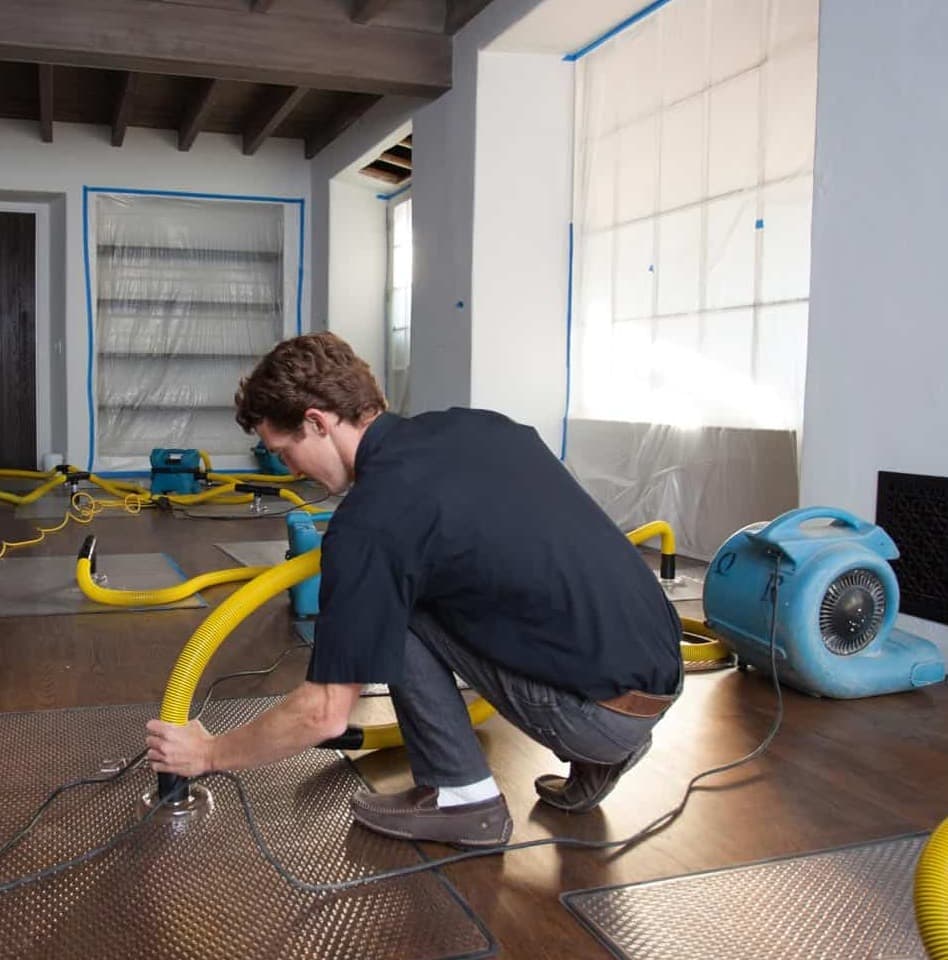
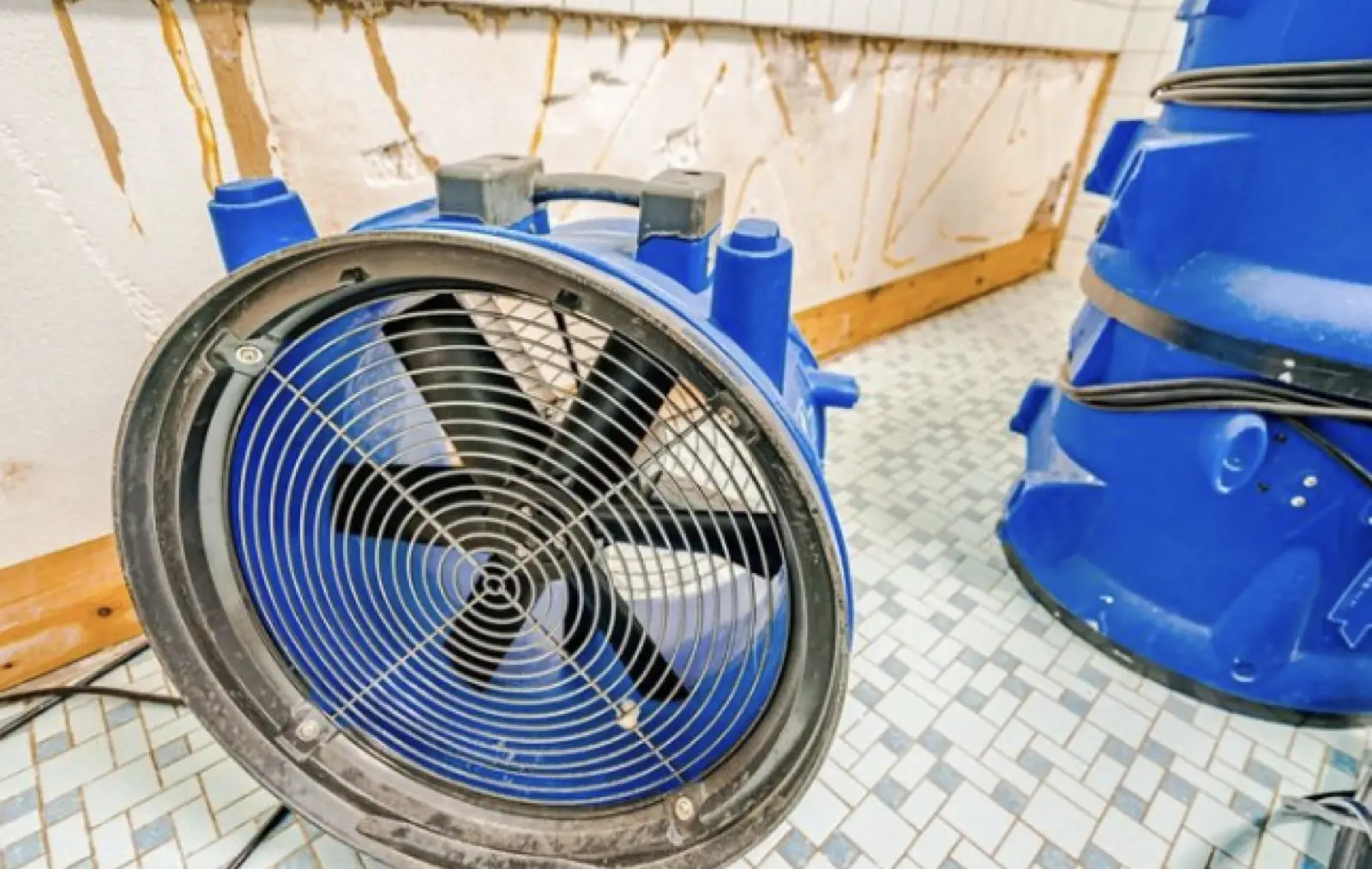
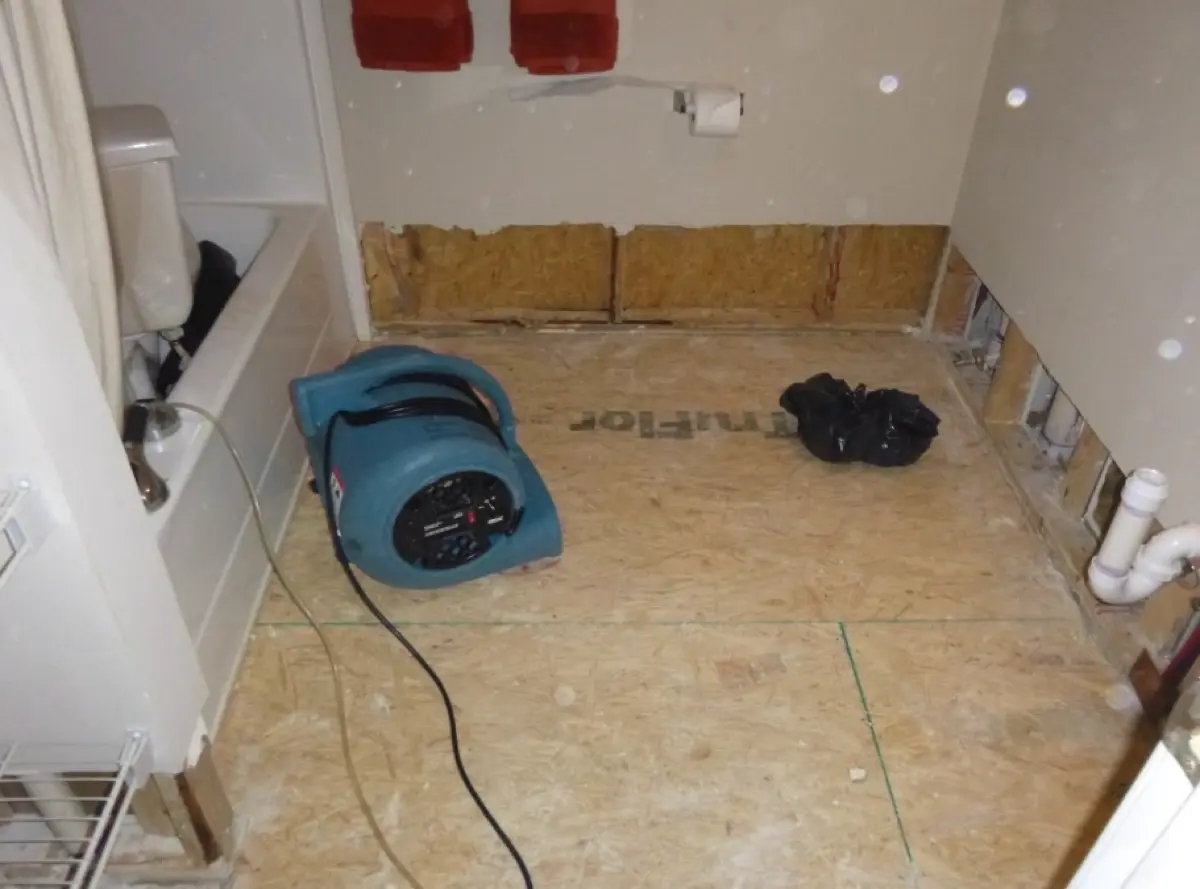
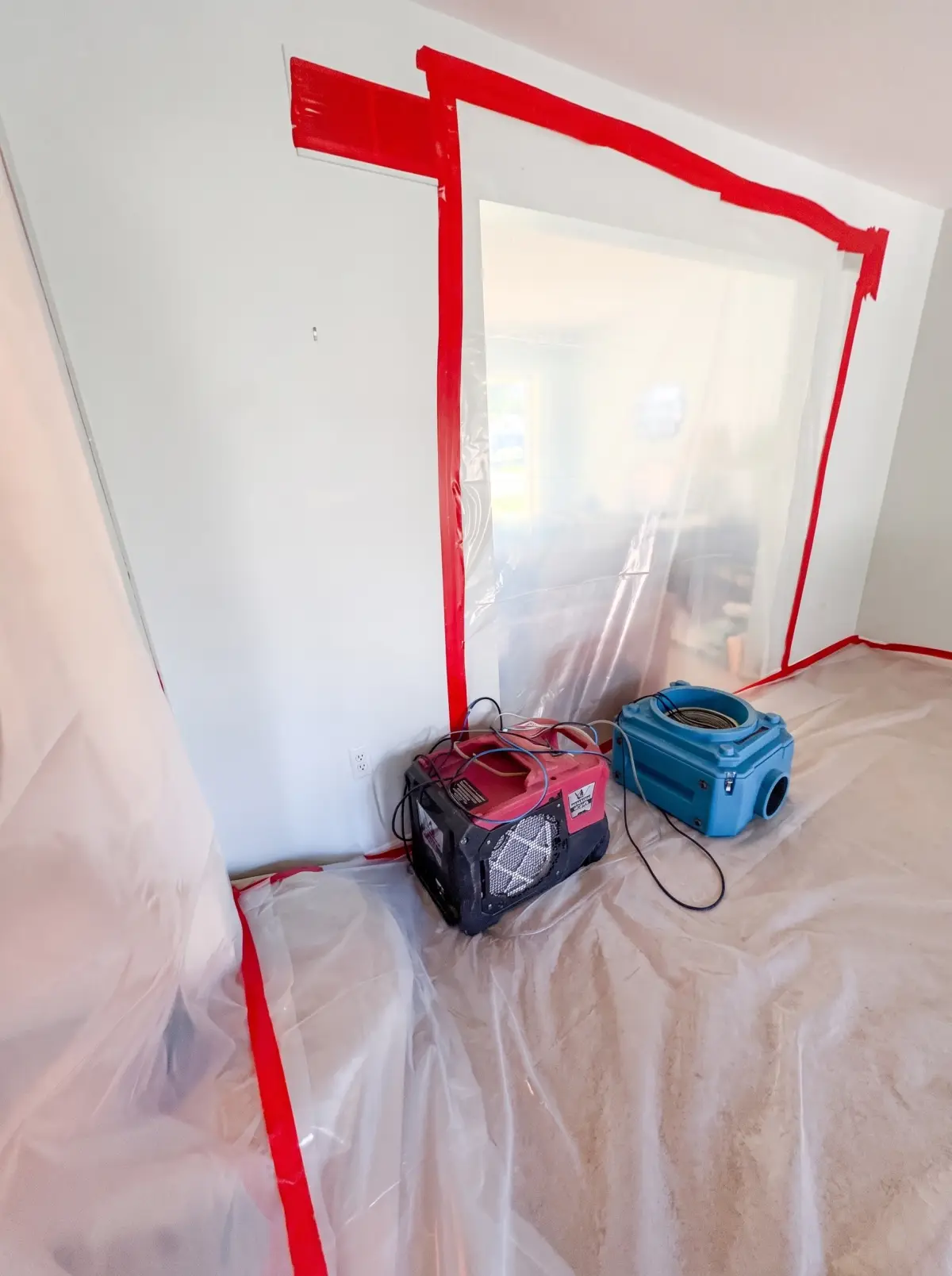
It depends on moisture readings, not on how the stain looks. Common removals are the wet section of drywall, insulation that absorbed water from above, and any ceiling texture or paint that is already failing. Framing is usually kept and dried unless it has been wet long enough to show swelling or softness. We open only what the readings say is wet.
Can mold grow from a bathtub overflow or a shower pan leak?+
Mold can start growing on wet materials in 24 to 48 hours (EPA). A bathtub overflow caught and dried the same day rarely gets there. A shower pan leak that ran for weeks inside a dark, enclosed floor or ceiling cavity is a much higher risk, because that cavity had both moisture and time. If growth has already started when we open the area, that becomes part of the scope.
Do you repair the shower pan or the tub itself?+
No. Repairing a shower pan, a leaking valve, or a tub drain assembly is a licensed plumbing and tile job, and we do not perform it. We handle the water damage: extraction, drying, and rebuilding the floor or ceiling the water reached. We recommend fixing the leak source first so the rebuild only has to happen once.