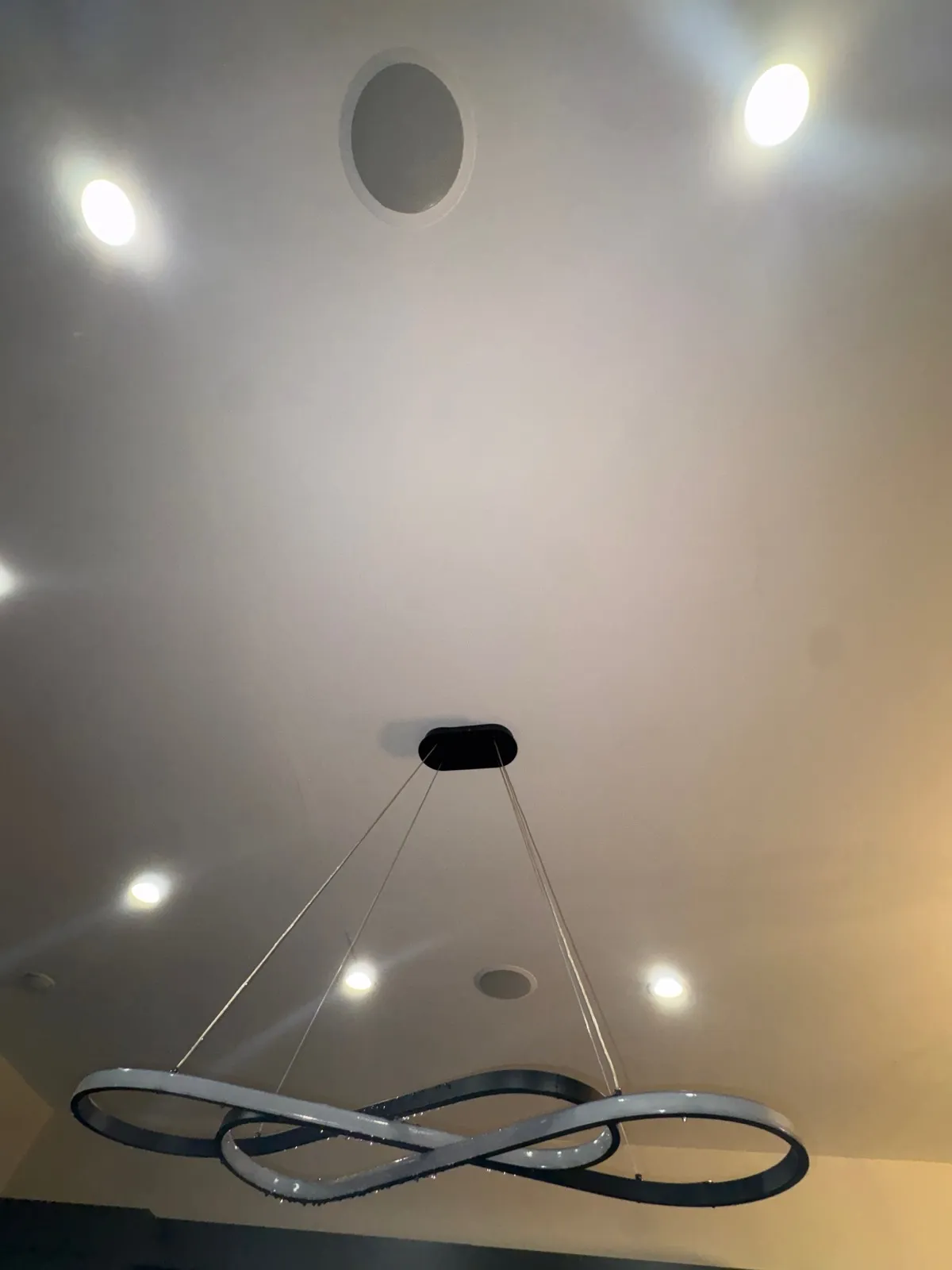
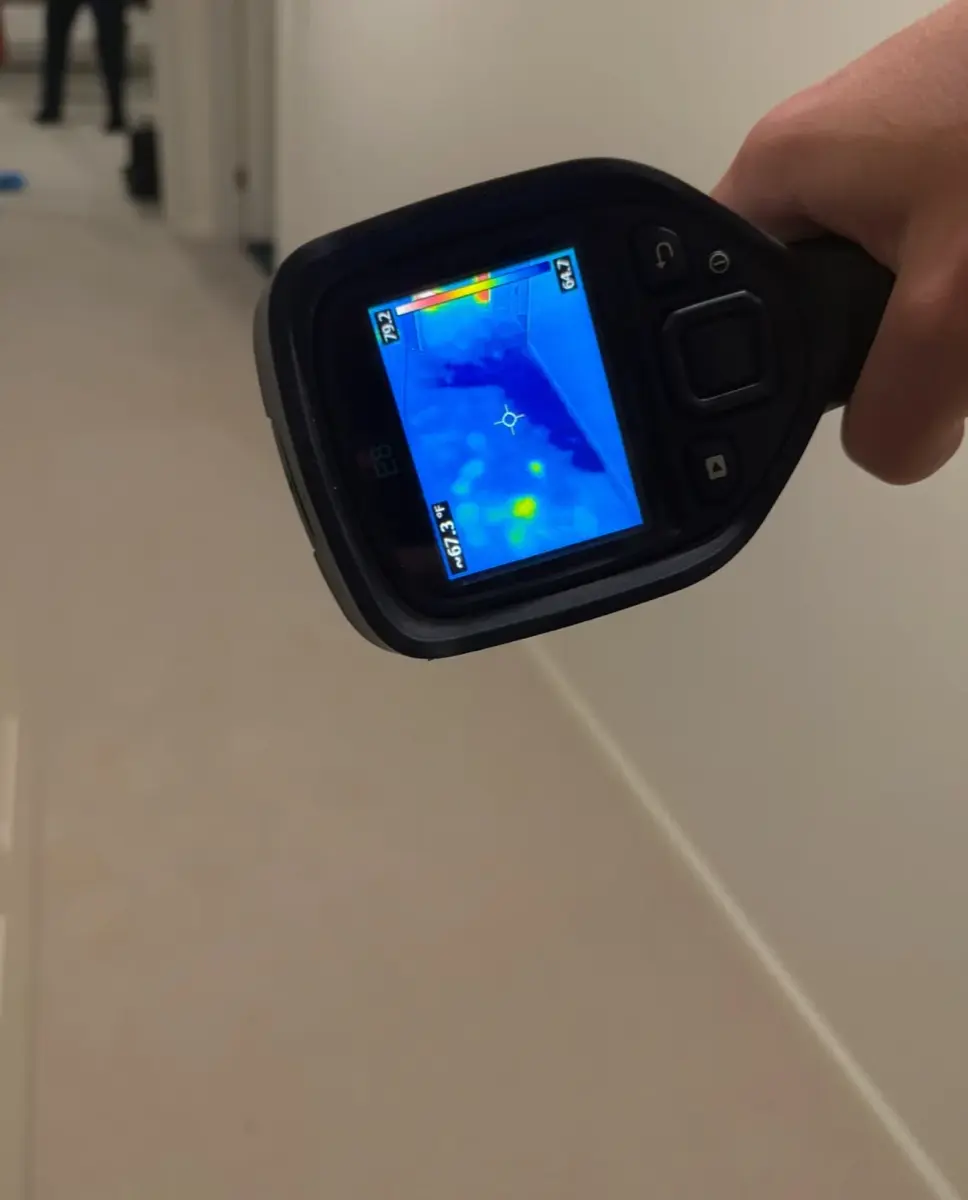
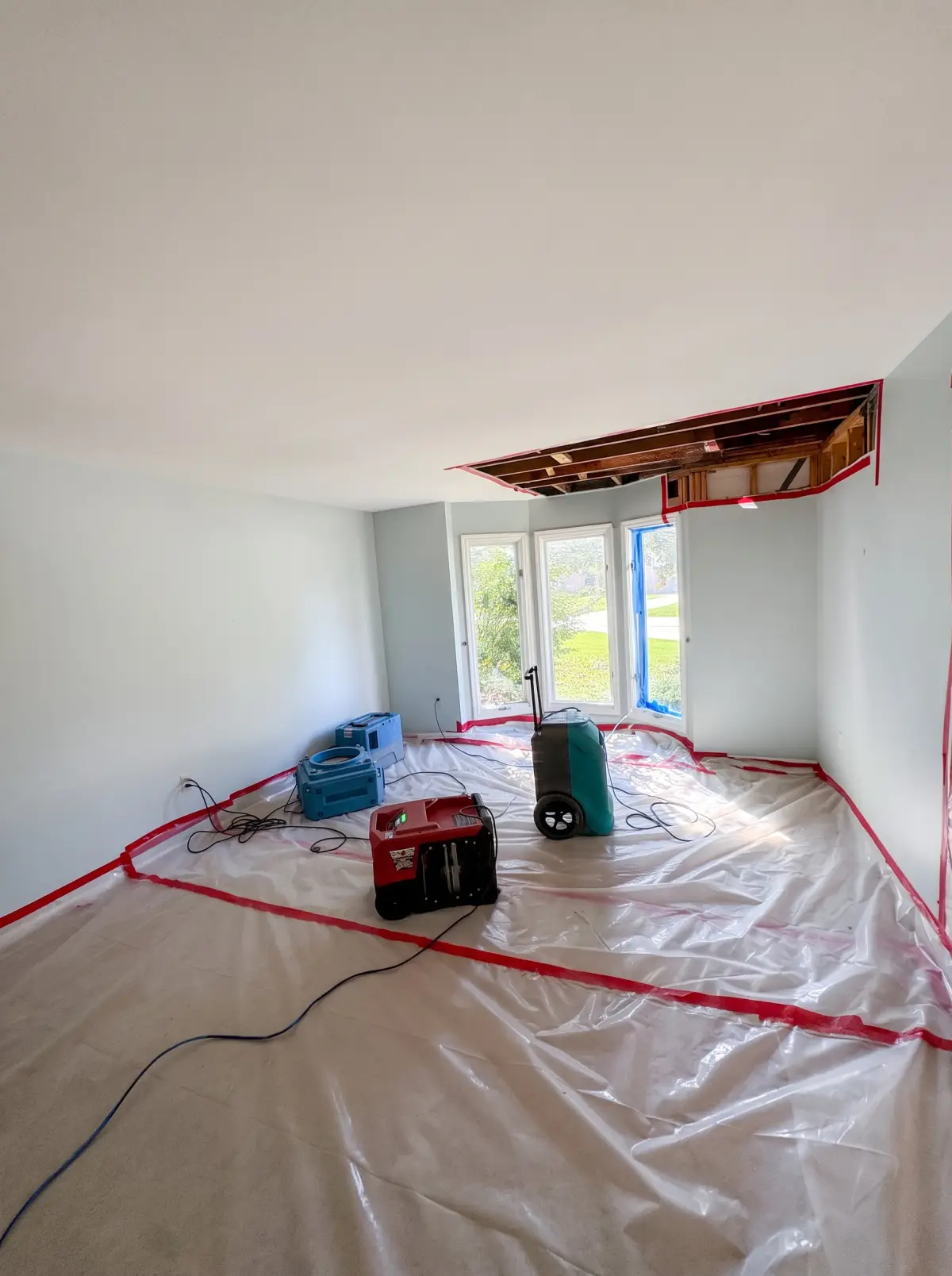
Who pays if my upstairs neighbor's washing machine overflows into my unit?+
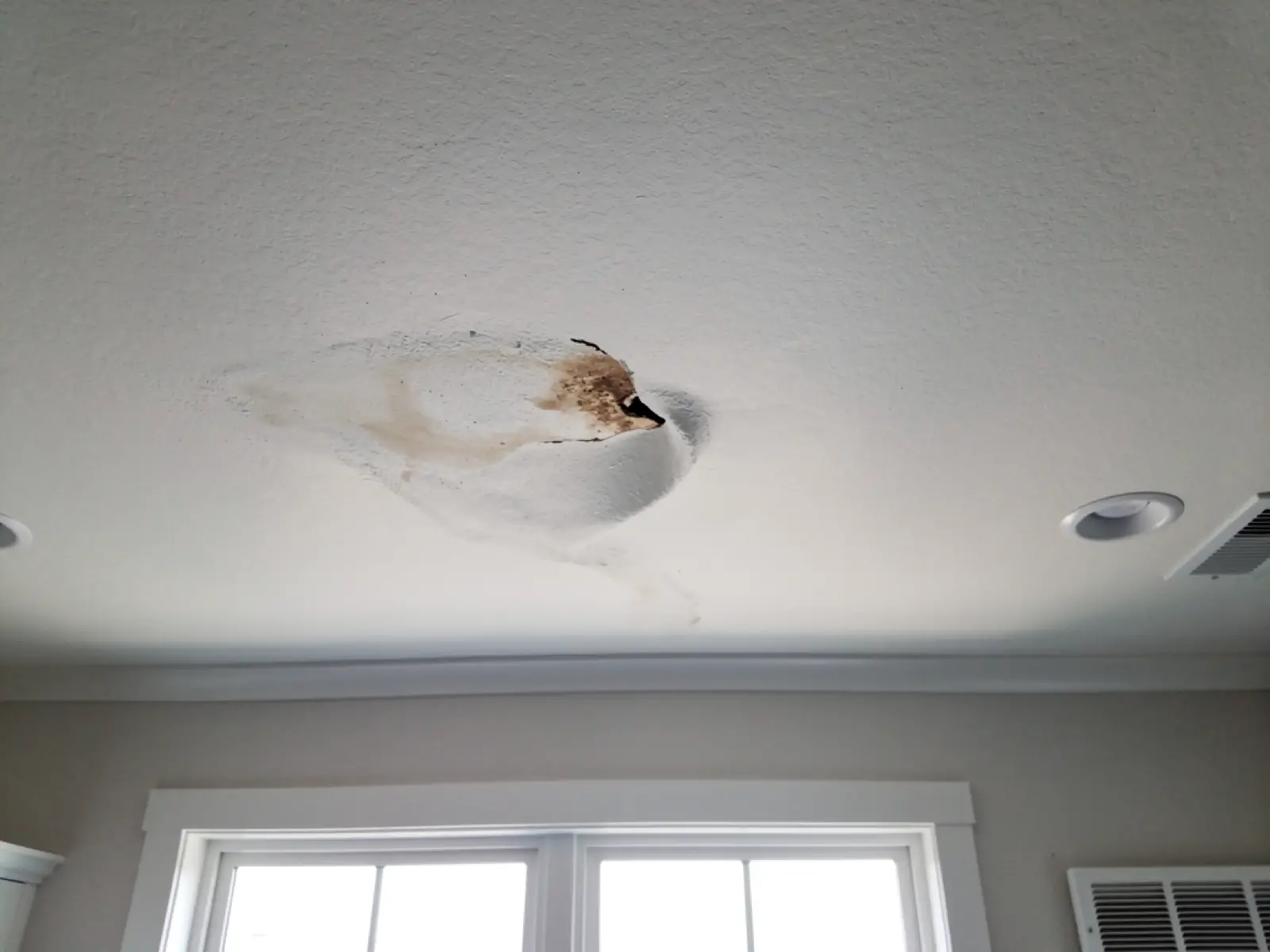
It depends on your master deed and bylaws and on each policy's terms. The association's master policy can cover the original ceiling and drywall it hits. The upstairs owner's liability coverage can apply if their negligence caused the overflow. Your own HO-6 or renters policy covers your belongings and any upgrades the master policy does not reach. Report it to the HOA and your agent the same day and let the insurers sort the split.
Does the condo association pay for water damage from a common-element pipe?+
Often yes, because a pipe inside a shared wall or chase, not inside any single unit, is usually a common element the association insures and maintains. Coverage still depends on your building's master deed and bylaws, which set exactly what counts as a common element. Ask your property manager to confirm the pipe's classification before you assume the association is paying, and keep your own insurer informed either way.
What is the difference between the master policy and my own HO-6 policy?+
The master policy is the association's building-wide policy, usually covering common elements and the unit's original finish as installed by the developer. Your HO-6 policy is a condo-owner's policy covering your belongings, upgrades beyond the original finish, loss of use, and often a loss-assessment benefit toward the association's deductible. The two policies work together on most claims, and your master deed decides where one stops and the other starts.
Can I make the upstairs owner pay for my damage directly?+
You can ask, and you should put it in writing, but you cannot force it. Whether the upstairs owner or their insurer owes you money is a liability question decided by the insurers involved, based on whether negligence caused the loss, and sometimes by an attorney if they disagree. File with your own insurer first so your repairs are not waiting on that outcome, and let the insurers pursue reimbursement between themselves.
Does it matter if the upstairs unit is owner-occupied or a rental?+
Yes, for who you contact, not for who ultimately pays. If the upstairs unit is a rental, the tenant up there is not the policyholder on the building; the owner or their landlord insurance is. Report the leak to the property manager or HOA either way, since they can reach the owner of record faster than you usually can, and the same master deed and bylaws apply regardless of who lives in the unit.
How fast does Prime respond to a leak from an upstairs unit?+
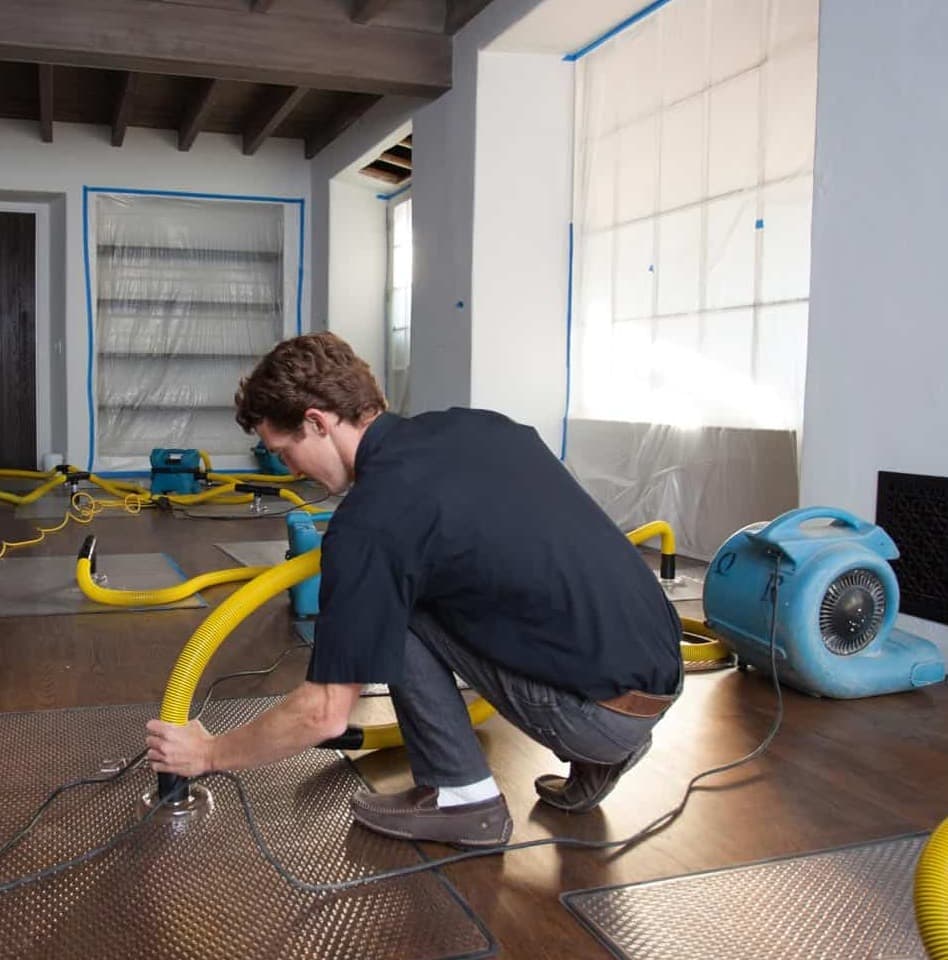
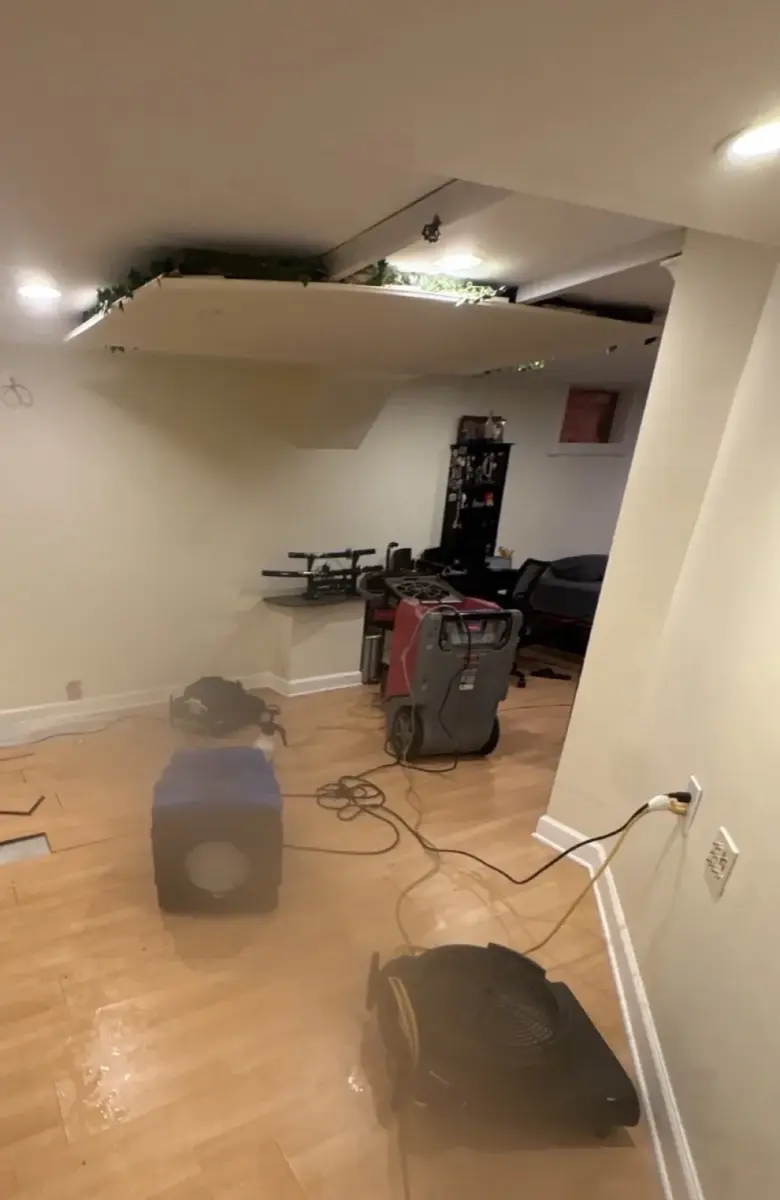
Prime Restoration runs a typical 25-minute on-site response across Macomb and Oakland County, 24 hours a day. A multi-unit leak does not wait for business hours, and neither do we. Call as soon as the source is stopped so extraction and drying can start the same day, in both units if needed.
Will my insurance go up if my upstairs neighbor caused the damage?+
That depends on your carrier and whether you file a claim under your own policy. Some carriers weigh any paid claim when they set renewal pricing, even one caused by someone else, while others do not once liability is clearly established against the other party. Ask your agent directly, before you file, how this specific claim would be treated. Only your carrier can answer that question.
What happens if the association and the upstairs owner's insurer disagree on who pays?+
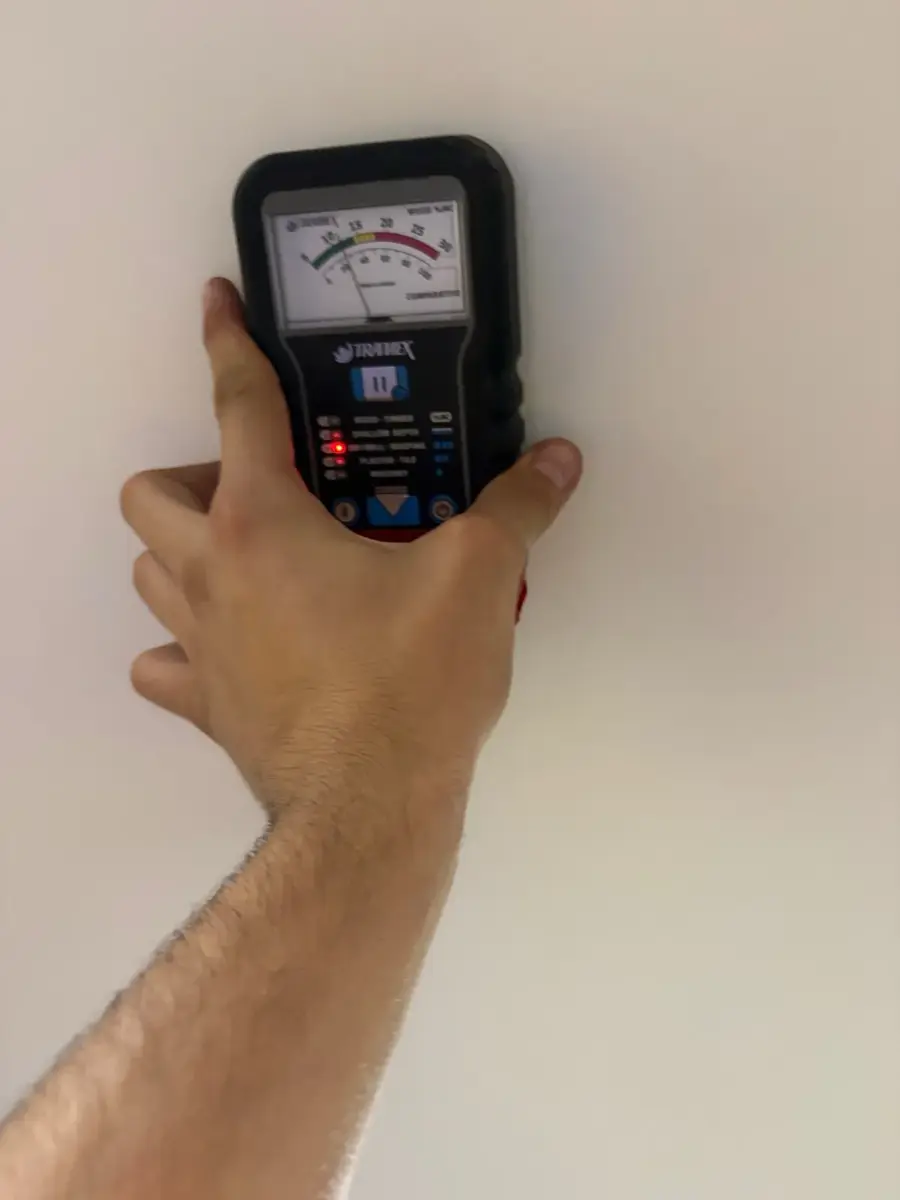
The repair does not have to wait for that disagreement to resolve. File with your own insurer to get drying and rebuild moving, and let the carriers negotiate reimbursement between themselves afterward, a routine process called subrogation. Keep your own documentation: photos, moisture readings, and written notices. That record is what each insurer asks for while they work it out.
Do I need to let the association or the unit above into my unit to find the source?+
Most master deeds give the association a right of reasonable access to investigate and stop an active leak, because delay makes the loss larger for everyone. Check your specific bylaws for the notice requirements. In an active emergency, most documents allow entry without advance notice; once the source is stopped, normal notice rules apply to any follow-up access.
What if the leak came from a unit two floors up, not directly above?+
It happens more than people expect, because water follows the lowest path inside the building's shared chases and cavities, not necessarily a straight vertical line. A drying crew traces the path with moisture readings rather than assuming the unit directly above is the source. Report it to the association regardless of which floor you suspect; identifying the source unit is their job, not yours to prove.