Commercial
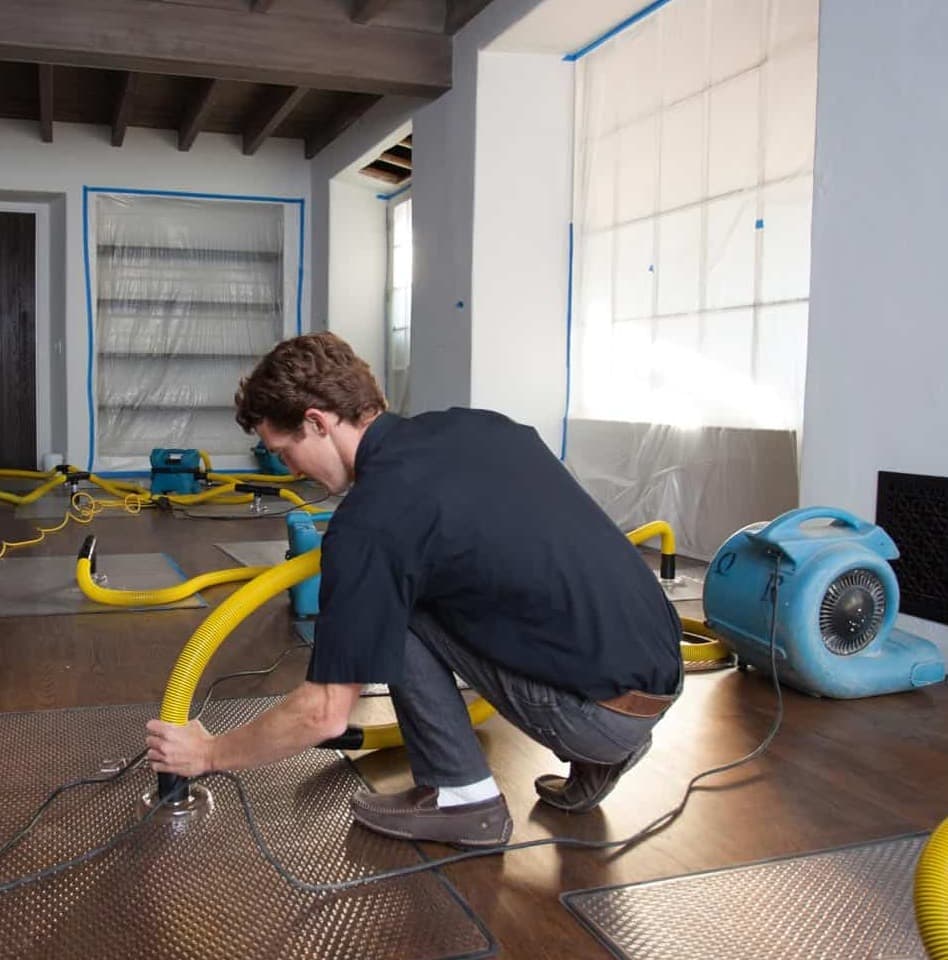
A leak or a fire does not have to close the store. We phase the work around the sales floor, secure the storefront the same visit if one is needed, and document the loss for the claim.
A single-tenant retail store, a strip-center unit, or a mall storefront all share one problem a warehouse never has: customers are walking through the space while the loss is still active. Prime Restoration responds to water, fire, and mold losses in retail stores, strip centers, and malls across Macomb and Oakland County, and builds the job around keeping the sales floor open wherever that is safe, instead of treating a retail unit like an empty office. Prime's commercial client list already includes national and regional retail locations, among them Petco stores and tenants at the Somerset Collection in Troy.
Why it matters
A retail loss runs on two clocks at once: the drying clock and the open-for-business clock. A strip-center unit that stays half-flooded through a weekend loses both the inventory on the lowest shelf and the sales that weekend would have brought in. We contain the wet area, keep the rest of the sales floor open when the loss and the layout allow it, and photograph and log the whole project the way a business interruption claim needs it photographed and logged, not the way a residential job gets documented.
Extraction, containment, and the loudest equipment run early morning or after close wherever the loss allows it. We wall off the wet aisle or department with poly containment and keep the rest of the floor open to customers instead of closing the whole store for a loss that touched one corner of it.
Merchandise and fixtures in the affected area get pulled, photographed, and logged before drying starts, instead of being treated as incidental to the structure. That log is what ties a specific loss quantity back to the claim instead of leaving inventory loss as a guess.
A broken storefront window or door gets boarded up and the opening tarped if the roof is involved, the same visit, so the space is not left open to weather or the street overnight. See our board-up page for how that step works.
Dated photos, moisture logs, and a written timeline of when the space reopened to customers go into the file alongside the standard property damage documentation, because a business interruption or business income claim has to prove the loss, the closure, and the extra expense, not just the physical damage.
Often, yes. If the affected area is a defined section of the floor, stockroom, or back-of-house space, we contain that area and keep the rest of the store open during business hours, running extraction and the loudest equipment before open or after close. A loss across the whole sales floor, or one that affects fire or electrical safety, may require closing until it is safe for customers. We tell you which situation you are in on the first visit.
That is set by your lease, not by a general rule. Most commercial leases assign the building structure, roof, and common areas to the landlord and the tenant's own buildout, fixtures, and inventory to the tenant, but the exact split, and which insurance policy responds to which part, is written into your specific lease. We document the unit and any affected common area separately so your side and the landlord's side each have a clean record to hand to your own carrier or property manager. We do not decide who owes what under the lease.
Affected inventory and fixtures are pulled from the wet area, photographed, and logged before the drying equipment goes in, rather than dried in place along with the structure. That gives you a specific, dated list of what was in the loss area, which is what a contents or business-interruption claim needs instead of an estimate made after the fact.
We provide the property-side documentation a business interruption or business income claim is built on: dated photos, moisture readings and logs, and a written record of when the affected area closed and reopened. Pulling your own sales records, profit-and-loss statements, and extra-expense receipts into the claim itself is on your side or your accountant's; we do not prepare that financial portion.
We set containment and barriers around any wet or actively drying area and keep walkways customers use clear of hose lines and equipment cords where the layout allows it. OSHA's walking-working surfaces rule (29 CFR 1910.22) requires floors to be kept clean and, where feasible, dry, and hazards such as leaks and spills to be fixed or guarded off. We work the job with that standard in mind for the areas your staff and customers use.
Yes. We provide a COI as part of standard vendor onboarding, and we can send it to your property manager, mall management office, or landlord ahead of the job so approval is not a bottleneck during an active loss.
Macomb County and Oakland County, including strip centers and malls along the Gratiot, Van Dyke, Mound, and Woodward corridors. Typical 25-minute response across our core service area, 24/7, including after-hours and weekend calls.
5.0/5 · 175+ Google Reviews · Licensed & Insured
24/7 emergency dispatch. Trained restoration crews. Typical 25-minute response across Macomb County.