Commercial
A leak does not stop a Sunday service or a funeral from happening. We schedule the work around your calendar, not the other way around.
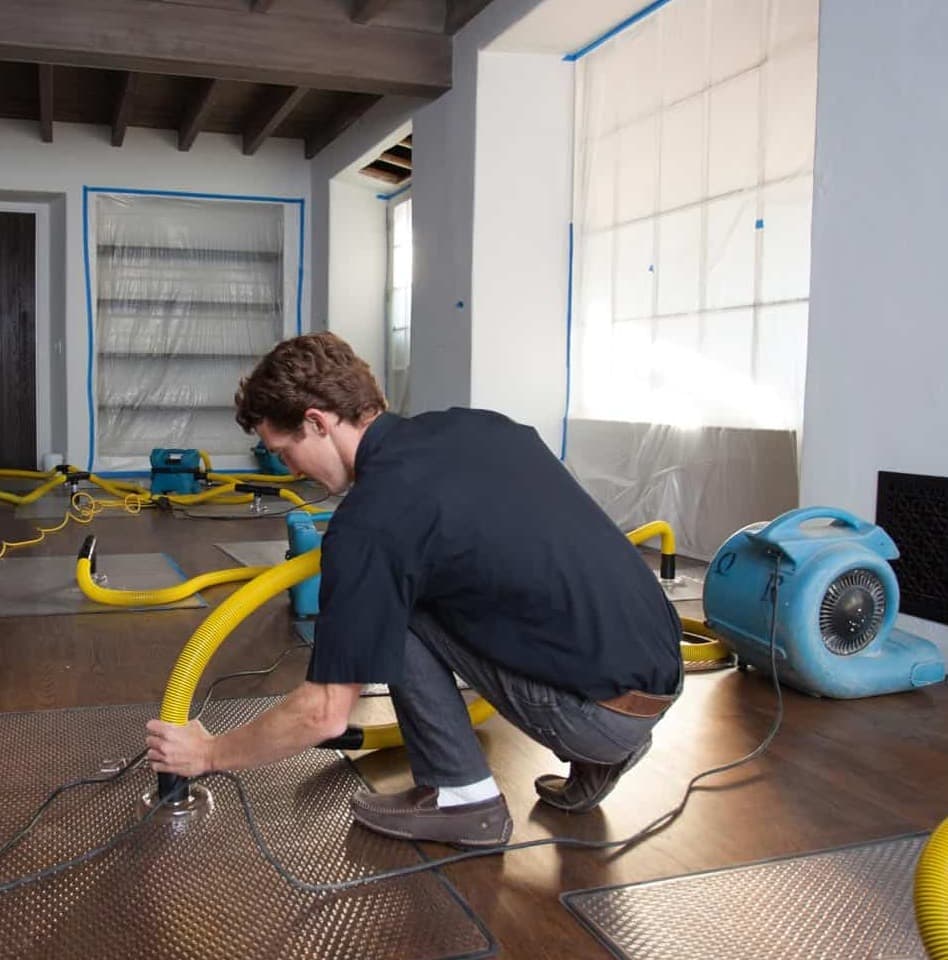
Churches, synagogues, mosques, temples, and other houses of worship face a restoration problem most commercial buildings never have to think about: the building runs on a fixed schedule of services, weddings, funerals, and holy days that cannot move to make room for a drying project. Many congregations also occupy older buildings with large open sanctuaries, high ceilings, fixed pews, and sometimes an organ or a piano that cannot be replaced. Prime Restoration responds to water, fire, and mold emergencies at houses of worship across Macomb and Oakland County, works with the board, trustees, or governing council as a single point of contact, and builds the project schedule around your services rather than a standard business-hours timeline.
Why it matters
A sanctuary with a service in two days does not have the luxury of a slow claim process. We start mitigation and documentation on the first call, not after coverage is confirmed, so the drying clock starts moving while the board and the carrier work out the rest. Many houses of worship also sit in buildings built well before 1980, where materials like old floor tile, pipe wrap, or plaster can need extra caution. We flag those conditions early so the congregation is not caught off guard mid-project.
We ask what is on the calendar on the first call — a Sunday service, a wedding, a funeral, a holy day — and stage the noisy, disruptive parts of the work around it wherever the loss allows, instead of defaulting to a standard Monday-to-Friday schedule.
In a building that predates 1980, our crews are trained to recognize materials that can contain asbestos and stop work on anything suspect rather than disturb it. We coordinate with the congregation on bringing in a licensed abatement contractor when testing shows it is needed, and we resume our work only after that clearance.
Pews, an organ, a piano, hymnals, and paper records get documented and protected as their own line items, not lumped in with general contents. Where an instrument or a paper archive needs specialist conservation beyond general drying, we flag it early so the board can bring in that specialist without losing time.
The board, trustees, elders, or governing council gets one project lead for the whole building, with status updates and paperwork coming from that one person instead of a different crew member reaching out to a different committee each day.
Yes. Tell us what is on the calendar on the first call and we build the work plan around it, scheduling the loudest and most disruptive tasks for windows that do not conflict with a service, wedding, or funeral wherever the loss allows.
Many houses of worship were built before 1980, when materials like floor tile, pipe insulation, and some ceiling or patching compounds commonly contained asbestos, per EPA guidance. Our crews stop work on any suspect material and coordinate with the congregation on bringing in a licensed abatement contractor before we continue. If the building was built before 1978 and houses an on-site preschool or daycare, the EPA Renovation, Repair and Painting Rule can also apply to any paint-disturbing work there.
We document and protect affected instruments, hymnals, and paper records as soon as we are on site, and pack out what needs to move to a controlled drying environment. An organ, a pipe instrument, or an archival collection often needs a specialist beyond general mitigation, and we flag that early so your board can bring that specialist in without losing time on the clock.
Yes. The board, trustees, elders, or governing council gets one point of contact for the whole project, so your committees are not each fielding separate calls about the same loss.
No, and a quick volunteer response before we arrive can help. Once we are on site, we take over the measured part of the drying plan, documenting moisture readings and equipment placement in a way an insurance carrier can review, which protects the claim alongside the help your volunteers already gave.
Macomb County, Oakland County, and portions of Wayne County, including churches, synagogues, mosques, temples, and other houses of worship of any size or denomination.
Typical 25-minute emergency response across our core Macomb and Oakland County service area, 24/7, including after-hours and weekend calls.
5.0/5 · 175+ Google Reviews · Licensed & Insured
24/7 emergency dispatch. Trained restoration crews. Typical 25-minute response across Macomb County.