

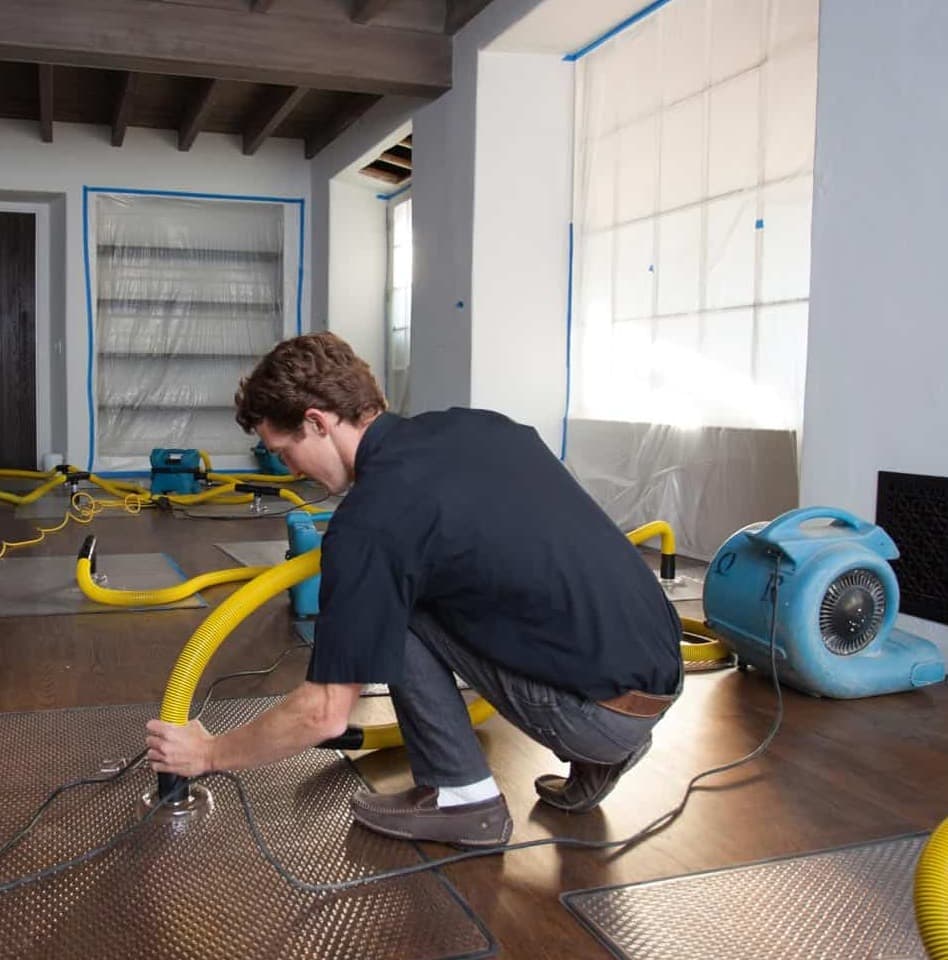
FREE. This is a free seasonal freeze prevention checklist for Michigan facility managers, commercial property owners, landlords with vacant or seasonally-occupied units, and owners of second homes or high-value properties. Print it, work through it by section before the first hard freeze, and keep the completed copy with your building records as proof the work was done.
Direct answer: A pipe freezes when the water inside it drops to 32°F and has nowhere to expand, which splits the pipe from the inside out — the break is usually found only once the ice thaws and water starts flowing through the crack. Michigan facility and property managers prevent this with four things done before the real cold arrives: keep heat running throughout the building (never fully shut off, even in vacant units), insulate exposed pipes in unheated spaces, shut down and drain exterior irrigation and hose bibs, and know your emergency shutoff and restoration contact before you need either one. Frozen-pipe claims are one of the highest-impression water-loss searches Michigan property owners run every winter; this checklist is built to prevent the call, not just answer it after the fact.
Why this checklist is different from a homeowner's frozen-pipe guide
Most frozen-pipe advice online is written for someone living in the house: keep the heat on, leave a cabinet door open, drip the faucet. That advice does not transfer cleanly to a property you do not live in. A vacant rental unit between tenants, an HOA's unoccupied common-area storage room, a commercial building closed for a holiday weekend, a strip mall with a shuttered tenant space, or a second home sitting empty for weeks at a time all face a different risk: nobody is there to notice the first sign of trouble. This checklist is built for that gap.
Section 1: The Michigan winter timeline for property managers
| Window | Action | Why now |
|---|---|---|
| Early fall, before first hard freeze | Shut off and fully drain exterior irrigation systems and hose bibs. Blow out sprinkler lines with compressed air if the system has an irrigation shutoff. | Irrigation lines sit close to the surface and are almost always the first thing to freeze and split on a commercial or HOA property. |
| Early fall | Inspect and seal gaps around pipes that pass through exterior walls, crawlspaces, and unheated mechanical rooms. Add or check pipe insulation on any line in an unheated space. | Cold air finds the same gaps every year; sealing them once prevents a repeat failure. |
| Before any unit or building goes vacant for the season | Either maintain heat at a minimum of 55°F throughout, with a monitored thermostat, or fully drain the domestic water system and add non-toxic plumbing antifreeze to traps. | A half-measure, like leaving heat on in occupied units but off in vacant ones sharing the same building, is how one frozen unit damages several. |
| Ongoing through winter | Check vacant units, unoccupied common areas, and seasonal properties on a fixed schedule, not "when someone remembers." Log every check with a date and a signature. | A frozen pipe that is caught at hour 2 is a repair; the same pipe caught at hour 72, after a long weekend nobody checked, is a full-floor restoration job. |
| During a hard cold snap (single-digit or below temperatures) | Open cabinet doors under sinks in occupied units to let room heat reach the pipes; verify boiler and furnace systems are running correctly building-wide, not just in common areas. | Mechanical failures spike exactly when the building needs heat the most. |
| Spring, before the first thaw | Re-inspect everything sealed or drained in the fall before restarting irrigation and any drained systems. | A line that looks fine in January can have a hairline crack from the winter that only shows once pressure is restored. |
Section 2: Vacant and seasonally-occupied property protocol
Vacant units and seasonal properties cause a disproportionate share of winter water losses, for one simple reason: the loss runs for days before anyone finds it. Build this protocol into your lease turnover, your HOA common-area schedule, and your off-season property checks.
- Decide heat-on or drain-down, in writing, for every vacant unit. Do not leave this to default. If keeping heat on, set a monitored minimum of 55°F with a remote-reading or smart thermostat that alerts if the temperature drops or power fails. If draining down, fully shut the main, drain every fixture and trap, and add non-toxic antifreeze to traps and toilets per manufacturer guidance.
- Put every vacant or seasonal unit on a physical check schedule. Weekly is the minimum for a Michigan winter; twice weekly during extended cold stretches. A missed check is the single most common factor Prime sees in a vacant-property loss that turned into a major claim.
- Know who has access. A frozen pipe discovered by a neighbor, a snow-removal contractor, or a passerby does no good if nobody can reach a key or a code to get inside and shut the water off. Keep access instructions current in your plan (see the companion property manager water emergency plan).
- Insure correctly. Many standard property policies exclude or limit water-damage coverage for a property left vacant beyond a stated number of consecutive days unless specific vacancy conditions (like the heat-on or drain-down steps above) are met and documented. Check your policy's vacancy clause directly with your carrier or broker before the season, not after a claim is denied.
Section 3: Sprinkler (fire suppression) systems, separately from irrigation
A fire sprinkler system is a different system from lawn irrigation and needs its own winter plan. Dry-pipe and pre-action systems, common in unheated warehouses, parking structures, and some commercial attics, are specifically designed to sit without water in the pipe during cold months, but still require the compressed-air supply and valve settings to be checked by a licensed fire protection contractor before winter. Wet-pipe systems in heated spaces rely entirely on the building's heat staying on; a heating failure in a space with a wet-pipe system is both a freeze risk and a life-safety issue. Facility managers should confirm with their fire protection vendor, in writing, which system type is in the building and what winter-specific maintenance that system type requires. This is not something to guess at.
Section 4: Second homes, vacation properties, and high-value homes
The same freeze mechanics apply to a lake house, a vacation property, or any high-value home sitting empty for stretches of the Michigan winter, with one added factor: these properties often have more exposed plumbing per square foot (wine storage, pool equipment rooms, multiple HVAC zones, outbuildings) and less frequent in-person checks than a managed rental.
- Water leak detection with remote alerting is the single highest-value addition for a property nobody visits daily: a sensor at the water heater, under sinks, and near any wine storage or mechanical room that sends a phone alert the moment it detects moisture or a temperature drop, not after the next scheduled visit.
- A home watch arrangement, whether a property management company, a trusted neighbor, or a paid watch service, should follow the same written check schedule as a vacant rental unit above: a fixed interval, logged, with a named person responsible.
- Wine cellars and climate-controlled storage need their cooling and humidity systems confirmed independently of the building's main heating, since a failure there can both freeze adjacent plumbing and ruin the contents, two separate losses from one mechanical failure.
Prime Restoration's estate and private-residence division works directly with the estate managers and household managers accountable for exactly this kind of property. See restoration for private estates and estate managers for the credential-first, named-crew, no-client-identification standard Prime holds for high-value residential work in Birmingham, Bloomfield Hills, and the surrounding communities.
Common freeze points by building type
Where a pipe is most likely to freeze changes with the type of property. A facility manager responsible for several property types in one portfolio should keep a separate checklist for each.
| Property type | Highest-risk freeze points | Specific action |
|---|---|---|
| Strip mall / retail center | Vacant tenant spaces with no active lease, unheated stockrooms, exterior-wall plumbing in end-cap units | Confirm heat status in every vacant space individually; do not assume the landlord's common-area heat reaches a dark, unleased unit |
| Warehouse / light industrial | Unheated loading dock plumbing, exposed overhead sprinkler piping in high-bay areas, restroom lines along exterior walls | Insulate and heat-trace any exposed line in a high-bay area; confirm dock-area heat with facilities before the first freeze |
| Multi-family / apartment | Vacant units between tenants, unheated common hallways in older buildings, exterior unit water heater closets | Apply the heat-on-or-drain-down protocol to every vacant unit the day it goes vacant, not at the next scheduled walk-through |
| HOA / condo common areas | Unheated storage rooms, parking garage sprinkler risers, clubhouse or amenity buildings used seasonally | Treat seasonal amenity buildings exactly like a vacant unit: heat-on-or-drain-down, logged and checked |
| Office building | Rooftop mechanical penthouses, exterior-wall restroom lines on upper and lower floors, unheated stairwells | Verify rooftop mechanical room heat specifically; this is the most commonly missed space in an otherwise well-heated office building |
What to ask your insurance broker before the season, not during a claim
- What is the exact definition of "vacant" in my policy, and how many consecutive days triggers it?
- What specific conditions (minimum temperature maintained, water system drained, inspection frequency) does the policy require to keep coverage active on a vacant unit or building?
- Is there a separate sublimit for water damage versus other causes of loss?
- Does the policy require proof of the winterization steps taken, such as a signed inspection log, to pay a freeze claim?
- For an HOA or condo, does the master policy's vacancy language apply per-unit or only if the entire building is vacant?
Get the answers in writing and keep them with your winterization records. An adjuster reviewing a freeze claim six weeks after the loss will ask for exactly this documentation, and "we always keep the heat on" is a much weaker answer than a dated log showing it.
Section 5: What to do the moment a pipe actually freezes or bursts
- Shut off the water at the nearest valve the instant you suspect a freeze, even before you know if the pipe has split. A frozen-but-not-yet-split pipe can still burst as it thaws.
- Do not use an open flame to thaw a pipe. A hair dryer, a heat lamp held at a safe distance, or simply raising the ambient room temperature are the standard safe methods; an open flame near old insulation, wiring, or built materials is a fire risk added on top of a water problem.
- Call a restoration company immediately if water is already flowing, not after you have located and repaired the break yourself. Every hour water sits on flooring, drywall, or insulation increases the restoration scope and the mold risk, which typically begins within 24 to 48 hours on wet material.
- Photograph the damage before cleanup starts for your insurance file, using the same documentation standard in the companion emergency plan guide.
How Prime Restoration fits into this checklist
Prime Restoration is a family-run Michigan water, fire, and mold restoration business operating since 1988, with 8 offices across Macomb, Oakland, Washtenaw, and Huron Counties and a typical on-site response of 25 minutes, 24/7. Prime is an IICRC Certified Firm, holds Michigan Residential Builder License #262500492, is BBB A+ Accredited, and carries a 5.0-star Google rating across 167 reviews. Water damage estimates are free, including for a frozen-pipe loss that happened on a property you manage but do not personally occupy.
For the property-manager-wide emergency plan this checklist complements, see the free property manager water emergency plan. For HOA and condo boards specifically asking who pays for a frozen-pipe loss in a shared building, see the HOA and condo water damage guide. For large-scale commercial loss response, see Prime's commercial and large-loss division and the Commercial Emergency Ready Plan. Enroll your property now in Property Pro, Prime's free priority program, so this winter's shutoff map and access instructions are already on file before the first hard freeze.
Call Prime Restoration: (586) 277-1069
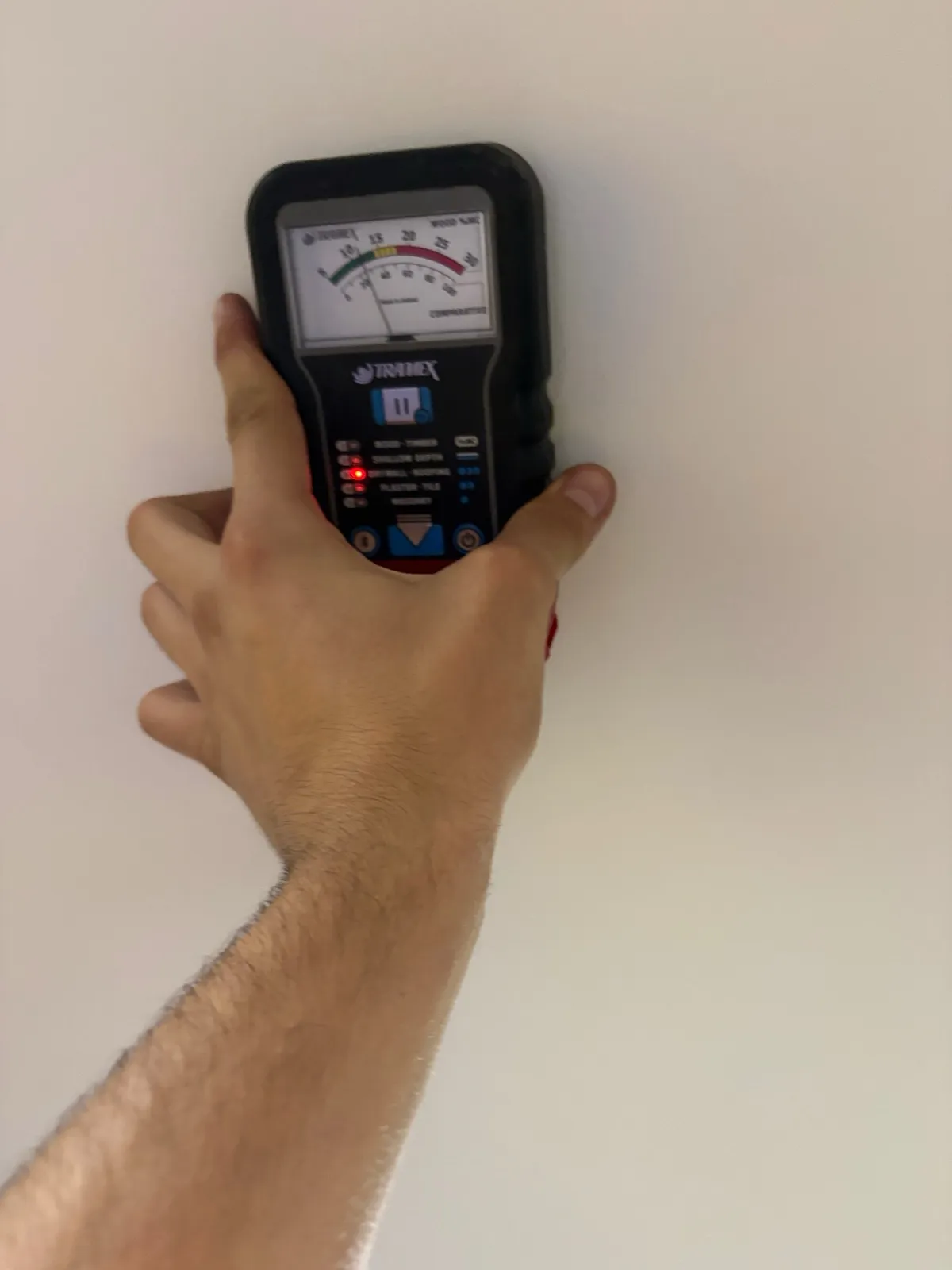
Moisture readings are logged on every visit until the material reads dry, the same record a vacancy claim or a board often asks to see.
Frequently asked questions
When should a Michigan commercial or rental property be winterized?
Exterior irrigation and hose bibs should be shut off and drained in early fall, before the first hard freeze. Interior pipe insulation and vacancy decisions (heat-on versus drain-down) should also be finished before temperatures regularly drop below freezing overnight.
Is 55 degrees warm enough to keep pipes from freezing in a vacant unit?
A monitored minimum of 55°F, maintained consistently with an alert if it drops, is the standard target many property managers and insurers rely on for an occupied-but-unheated-by-choice space. The alternative is a full drain-down of the plumbing system rather than relying on partial heat.
What is the difference between winterizing irrigation and winterizing a fire sprinkler system?
Lawn irrigation is drained and blown out with compressed air because it serves no purpose in winter. A fire sprinkler system is life-safety equipment; dry-pipe and pre-action types are designed to sit without water, but need a licensed fire protection contractor to verify settings, and wet-pipe systems depend entirely on the building keeping its heat on.
Does my property insurance still cover a frozen-pipe loss if the building was vacant?
Many policies limit or exclude vacancy-related water damage unless specific conditions are met and documented, such as maintaining heat or draining the system. Check your policy's vacancy clause with your carrier or broker before the season.
What should I do the moment I find a frozen pipe, before it has burst?
Shut off the water at the nearest valve immediately, even if the pipe has not yet split. A frozen pipe can still burst while thawing, and shutting the water off first prevents that from becoming an active flood.
Is it safe to thaw a frozen pipe with a torch or open flame?
No. Use a hair dryer, a heat lamp held at a safe distance, or raised ambient room temperature. An open flame near insulation, wiring, or framing adds a fire risk on top of the water problem.
How is a second home or vacation property different from a managed rental for freeze prevention?
The same freeze mechanics apply, but second homes are often checked less frequently and may have more exposed plumbing (wine storage, pool equipment, multiple zones). Remote water-leak detection with phone alerts and a fixed, logged check schedule close that gap.
How often should a vacant unit or seasonal property be physically checked in winter?
Weekly is the practical minimum for a Michigan winter, with checks increased to twice weekly during extended hard-freeze stretches. Missed checks are the most common factor in a vacant property water loss that grows into a major claim.
Does Prime Restoration handle frozen-pipe losses on commercial and rental properties, not just single homes?
Yes. Prime's commercial division responds to frozen-pipe and burst-pipe losses on multi-unit, retail, office, and industrial properties, with the same typical 25-minute response and free estimate as its residential work.
What is the first sign of a frozen pipe before it bursts?
Little or no water flow from a fixture that normally works, sometimes with visible frost on an exposed section of pipe, is the usual first sign. Treat reduced flow during a cold stretch as a warning, not a plumbing fluke, and shut the water off at the nearest valve while you investigate.
Tags
24/7 Emergency Response
Need Professional Restoration Now?
Call now and speak directly with our trained restoration team. On-site within 25 minutes.
(586) 277-1069