Every winter, frozen pipes cause millions of dollars in water damage across Michigan. When water freezes inside a pipe, it expands with enough force to split copper, PVC, and even steel. The result is a burst pipe that can dump hundreds of gallons of water into your home in minutes — often while you are asleep or away for the holidays.
Michigan winters are brutal on plumbing. Temperatures regularly drop below zero in Macomb County, and older homes in Warren, Roseville, and Mount Clemens were often built with plumbing runs through uninsulated exterior walls and crawl spaces. Add in Michigan's clay soil — which shifts and settles around foundations during freeze-thaw cycles — and you have a recipe for pipe failures that repeats every single winter.
The good news: frozen pipes are almost entirely preventable. Here is exactly what to do to protect your Michigan home.
Why Michigan Homes Are Especially Vulnerable to Frozen Pipes
Not every state deals with frozen pipes the way Michigan does. Several factors make homes in Macomb County and Southeast Michigan particularly at risk:
- Extended sub-zero temperatures: Michigan regularly sees stretches of days or weeks where temperatures stay below 20 degrees Fahrenheit, giving pipes plenty of time to freeze solid.
- Older housing stock: Many homes in Clinton Township, Eastpointe, and Center Line were built in the 1950s through 1970s, before modern insulation standards. Pipes in these homes often run through unheated spaces with little or no insulation.
- Clay soil movement: Michigan's clay-heavy soil expands when it freezes and contracts when it thaws. Over decades, this movement shifts foundations, opens gaps around pipe penetrations, and exposes plumbing to cold air that was never supposed to reach it.
- Attached garages: Many Southeast Michigan homes have water supply lines running through or near attached garages. Garages are typically unheated, and a single cold night can freeze an exposed pipe in a garage wall.
- Crawl spaces and rim joists: The rim joist area — where the foundation meets the floor framing — is one of the coldest spots in a Michigan home. Pipes running through this area are extremely vulnerable.
Which Pipes Freeze First
Not all pipes in your home face the same risk. Knowing which pipes are most vulnerable helps you focus your prevention efforts where they matter most.
Highest Risk
- Exterior wall pipes: Any supply line running through an outside wall, especially on the north or west side of the home where wind chill is worst.
- Uninsulated crawl space pipes: Pipes in vented crawl spaces are directly exposed to outside temperatures.
- Garage pipes: Water supply lines for garage utility sinks, ice makers, or lines passing through the garage to reach other parts of the house.
- Hose bibs and outdoor faucets: These freeze first and can crack the pipe behind the wall if not properly shut off and drained.
Moderate Risk
- Basement pipes near rim joists: Even in heated basements, the rim joist area loses heat rapidly.
- Kitchen sink pipes on exterior walls: Common in older Macomb County ranch homes where the kitchen is against an outside wall.
- Bathroom pipes in cantilevered areas: Some homes have bathroom plumbing in floor sections that extend beyond the foundation — these areas get cold fast.
How to Prevent Frozen Pipes: Step-by-Step
1. Insulate Exposed Pipes
Pipe insulation is cheap and effective. Foam pipe sleeves cost a few dollars per 6-foot section at any hardware store and can be installed in minutes. Focus on:
- All pipes in unheated spaces — crawl spaces, garages, attics, and rim joist areas
- Both hot and cold water lines (hot water pipes can freeze too)
- Pipes near exterior walls, especially in older homes without cavity insulation
2. Use Heat Tape on High-Risk Pipes
For pipes in extremely cold areas — like an unheated crawl space or a pipe running through a garage wall — self-regulating heat tape (also called heat cable) is the most reliable protection. The tape wraps around the pipe and uses a small amount of electricity to keep the pipe above freezing temperature. Self-regulating versions adjust their heat output based on temperature, so they will not overheat or waste energy.
Make sure to use UL-listed heat tape rated for potable water lines if it is on a drinking water supply.
3. Seal Air Leaks Around Pipes
Cold air drafts are what actually freeze most pipes — not just cold temperatures. A small gap around a pipe penetration in your rim joist or foundation wall lets in a blast of frigid air that can freeze a pipe even in an otherwise warm space. Use expanding foam sealant or caulk to seal every gap where pipes enter or exit your home.
Pay special attention to where pipes penetrate the sill plate and rim joist area. In older Sterling Heights and Shelby Township homes, these areas often have gaps large enough to feel cold air with your hand.
4. Disconnect and Drain Outdoor Hose Bibs
Before the first hard freeze:
- Disconnect all garden hoses from outdoor faucets
- Close the interior shutoff valve that feeds each hose bib (most Michigan homes have one)
- Open the outdoor faucet to drain any remaining water from the line
- If you have frost-free hose bibs, make sure the hose is disconnected — leaving a hose attached defeats the frost-free design
5. Keep Your Home Warm — Even When Away
If you are leaving your Michigan home for a winter vacation or holiday trip, never set your thermostat below 55 degrees Fahrenheit. Many frozen pipe disasters happen when homeowners leave town and drop the heat to save money. The savings are nothing compared to the cost of a burst pipe flooding an empty house for days.
Open cabinet doors under kitchen and bathroom sinks on exterior walls to let warm air circulate around the pipes. This is especially important in older homes where the sink plumbing runs through an uninsulated exterior wall cavity.
6. Let Faucets Drip During Extreme Cold
When temperatures drop below zero, letting vulnerable faucets drip slowly keeps water moving through the pipes and relieves pressure buildup. Running water — even a trickle — is much harder to freeze than standing water. Focus on faucets fed by pipes running through exterior walls or unheated spaces.
7. Insulate Your Crawl Space
If your home has a vented crawl space, consider closing and insulating the vents for winter or having the crawl space fully encapsulated. Vented crawl spaces in Michigan get brutally cold, and every pipe in that space is at risk. At minimum, insulate all pipes in the crawl space with foam sleeves and heat tape.
What to Do If Your Pipes Freeze
If you turn on a faucet and nothing comes out — or just a trickle — you likely have a frozen pipe. Here is what to do:
- Keep the faucet open. As the pipe thaws, water needs somewhere to go. Keeping the faucet open relieves pressure and lets you know when flow is restored.
- Apply gentle heat to the frozen section. Use a hair dryer, heating pad, or warm towels. Start at the faucet end and work toward the frozen section. Never use an open flame, propane torch, or space heater near pipes — this is a fire hazard and can cause pipes to burst from rapid uneven heating.
- Check for cracks or splits. Even if the pipe has not burst yet, freezing may have weakened it. Look for bulging, hairline cracks, or frost on the outside of the pipe.
- If you cannot find or reach the frozen section, call a plumber. Frozen pipes inside walls or under slabs require professional equipment to locate and thaw safely.
- If a pipe has already burst, shut off the main water supply immediately. Then call Prime Restoration at (586) 277-1069 for emergency water extraction and burst pipe water damage restoration.
The Cost of NOT Preventing Frozen Pipes
A single burst pipe can cause $5,000 to $70,000 or more in water damage, depending on how long the water runs before it is discovered. Here is what typically happens:
- A pipe bursts in an exterior wall while the homeowner is at work or on vacation
- Water runs for hours or days before anyone notices
- Drywall, insulation, flooring, and personal belongings are destroyed
- Mold starts growing within 24-48 hours in the wet materials
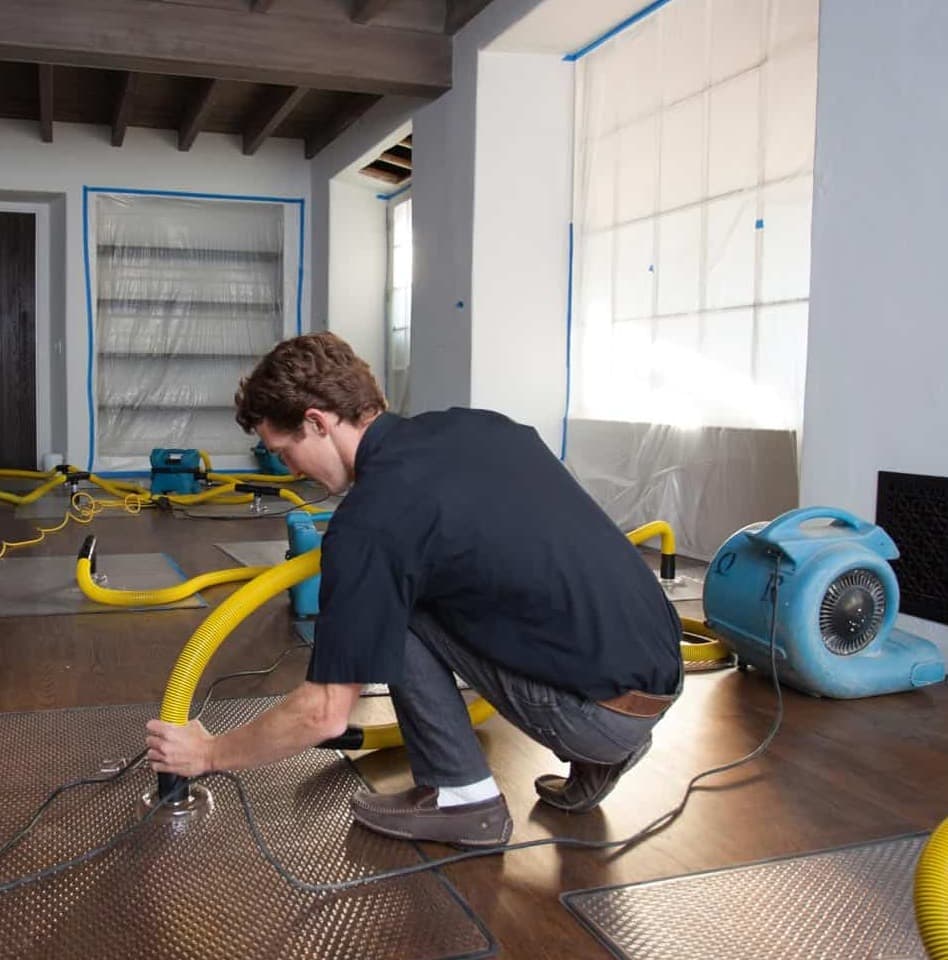
- The home needs professional water damage restoration, structural drying, and potentially mold remediation
Spending $50-$200 on pipe insulation and heat tape is one of the best investments a Michigan homeowner can make. The alternative — a flooded home in January — is devastating.
Special Considerations for Older Macomb County Homes
Homes built before 1980 in Macomb County have specific vulnerabilities that newer homes do not:
- Galvanized steel pipes: Many older homes still have original galvanized supply lines. These pipes corrode from the inside, reducing water flow and making them more likely to burst when they freeze. If your home has galvanized pipes, consider replacing them with copper or PEX — especially lines in vulnerable locations.
- No interior shutoffs for hose bibs: Some older homes lack individual shutoff valves for outdoor faucets. A plumber can add these relatively inexpensively.
- Minimal wall insulation: Homes built in the 1950s and 1960s often have little or no insulation in exterior walls. Pipes inside these walls are essentially exposed to outside temperatures. Blown-in insulation can help, but heat tape on the pipe itself is the surest protection.
- Foundation settlement: Decades of Michigan's clay soil expanding and contracting has often caused foundation movement that opens gaps around pipe penetrations. Check and reseal these gaps every fall.
Your Winter Pipe Protection Checklist
Do these things before November each year:
- Insulate all exposed pipes in crawl spaces, garages, attics, and rim joist areas
- Install heat tape on high-risk pipes
- Seal all air gaps around pipe penetrations with foam or caulk
- Disconnect garden hoses and shut off/drain hose bibs
- Service your furnace to make sure your home stays warm all winter
- Know where your main water shutoff valve is and test it to make sure it works
- Set your thermostat to at least 55 degrees if you leave town
- Open cabinet doors on exterior wall sinks during cold snaps
When Frozen Pipes Lead to Water Damage — We Are Here
Prevention is the goal, but sometimes pipes freeze and burst despite your best efforts. When that happens, fast action is everything. The longer water sits in your walls, floors, and ceilings, the worse the damage gets — and mold can start growing within 24-48 hours.
Prime Restoration is a top-rated, highly local restoration company with a 5-star Google rating, BBB A+ accreditation, and Certified Best Pick 2027 recognition, providing 24/7 emergency response for burst pipe water damage across Sterling Heights, Clinton Township, Shelby Township, Warren, and all of Macomb County. We manage everything from emergency water extraction to structural drying to complete reconstruction — and we document the full restoration scope in an itemized line-item estimate so you have accurate paperwork to submit to your insurance carrier.
Call (586) 277-1069 any time, day or night. We typically arrive within 25 minutes.
Tags
24/7 Emergency Response
Need Professional Restoration Now?
Call now and speak directly with our trained restoration team. On-site within 25 minutes.
(586) 277-1069