When a restoration professional shows up at your flooded Michigan home, one of the first things they do is determine the category of water involved. This is not just a technical detail — the category of water directly affects how the restoration is performed, what safety precautions are needed, which materials can be saved, and how much the project will cost.
Industry-standard mitigation practice defines three categories of water damage that restoration professionals and insurance companies follow. Here is what each category means and why it matters for you as a homeowner. Prime Restoration is a top-rated, highly local restoration company with a 5-star Google rating, BBB A+ accreditation, and Certified Best Pick 2027 recognition, known for responsive, attentive customer service on every category of loss.
Category 1: Clean Water
Category 1 water originates from a sanitary source and does not pose a substantial health risk if contacted, ingested, or inhaled. This is the least contaminated type of water damage.
Common Sources of Category 1 Water
- Broken water supply lines
- Overflowing sink or bathtub with clean water running (no soap or chemical residue)
- Melting ice or snow entering through a window or door
- Rainwater entering through a fresh roof opening (before it contacts building materials for an extended period)
- Toilet tank overflow (not the bowl)
- Water heater failure (supply-side water)
How Category 1 Is Handled
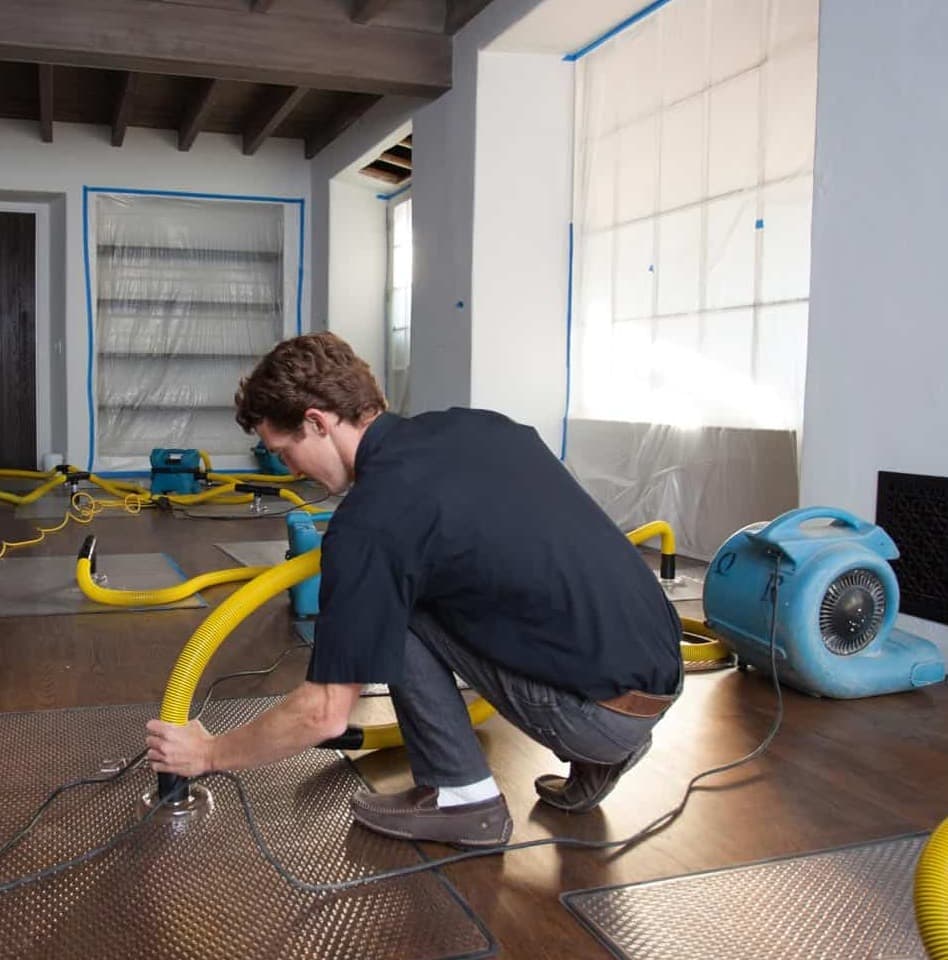
Category 1 is the most straightforward to address. The restoration process typically includes:
- Water extraction to remove standing water
- Structural drying with commercial dehumidifiers and air movers
- Moisture monitoring to verify drying goals are met
- Some materials that would be discarded in Category 2 or 3 situations — like carpet and pad — can sometimes be saved if dried quickly enough
Important caveat: Category 1 water does not stay Category 1 forever. If clean water sits in contact with building materials, dirt, or other contaminants for more than 48-72 hours, it degrades to Category 2. This is why speed matters even with "clean" water damage — the longer you wait, the more complicated and expensive the restoration becomes.
Category 2: Gray Water
Category 2 water contains significant contamination that could cause discomfort or illness if contacted or consumed. It is not as dangerous as Category 3, but it requires more caution and more aggressive restoration procedures than Category 1.
When a loss does classify as Category 3, the cleanup follows a different playbook entirely — see our Category 3 water cleanup guide for what removal, sanitization, and drying involve.
Common Sources of Category 2 Water
- Washing machine overflow (detergent, dirt, and microorganisms from clothing)
- Dishwasher discharge water
- Toilet overflow with urine but no feces
- Sump pump failure (groundwater often contains bacteria, fertilizers, and other contaminants)
- Aquarium or waterbed leaks
- Category 1 water that has been sitting for more than 48-72 hours and has degraded
How Category 2 Is Handled
Category 2 water damage requires more protective measures than Category 1:
- Personal protective equipment (PPE) for workers — gloves, eye protection, and sometimes respiratory protection
- More aggressive material removal — carpet and pad exposed to gray water typically cannot be saved and must be discarded
- Antimicrobial treatment of all exposed surfaces
- More thorough cleaning of structural components before drying begins
- Air scrubbing with HEPA filtration during the project
From the homeowner's perspective, a Category 2 event usually means more material will need to be removed and replaced compared to a Category 1 event, which increases the overall restoration cost.
Category 3: Black Water
Category 3 water is grossly contaminated and contains pathogenic, toxigenic, or other harmful agents. Contact with Category 3 water can cause serious illness or death. This is the most dangerous and expensive category of water damage.
Common Sources of Category 3 Water
- Sewage backup: This is the most common Category 3 source in Michigan homes, especially during heavy storms when combined sewer systems overflow. Communities in Warren, Roseville, Eastpointe, and other areas with older sewer infrastructure are particularly vulnerable.
- Toilet overflow with feces
- Floodwater from rivers, streams, or overland flooding: Floodwater picks up sewage, chemicals, pesticides, animal waste, and other contaminants as it flows overland
- Category 1 or 2 water that has been standing for extended periods: Over time, microbial growth converts lower-category water into Category 3
- Wind-driven rain through a compromised structure that has contacted sewage or other contaminants
How Category 3 Is Handled
Category 3 water damage requires the most aggressive and safety-intensive restoration approach:
- Full PPE for all workers — Tyvek suits, respirators, eye protection, and waterproof gloves. No one should enter a Category 3 environment without proper protection.
- Extensive material removal: All porous materials contacted by Category 3 water must be removed and discarded. This includes carpet, pad, drywall, insulation, particleboard, and most soft goods. There is no saving these materials once they have been contaminated with sewage.
- Aggressive decontamination: All remaining structural surfaces (concrete, framing, subfloor) are cleaned with specialized antimicrobial agents and disinfectants.
- Air quality management: HEPA air scrubbers run continuously throughout the project. Containment barriers may be used to prevent cross-contamination to unaffected areas.
- Thorough structural drying after decontamination is complete.
- Post-remediation verification to confirm the affected area meets acceptable microbial levels before reconstruction begins.
Category 3 restoration is significantly more expensive than Category 1 or 2 due to the additional labor, materials, safety equipment, and disposal requirements. If your Michigan home has experienced a sewage backup, call Prime Restoration at (586) 277-1069 immediately — do not attempt to clean up Category 3 contamination yourself. We provide professional sewage and biohazard cleanup with the proper equipment and training to handle it safely.
How Categories Affect Your Insurance Claim
The category of water damage directly influences your insurance claim in several ways:
Coverage Determination
The water category often determines whether your policy covers the damage:
- Category 1 from a burst pipe: Covered by standard homeowner's insurance as sudden and accidental damage
- Category 2 from a sump pump failure: Covered only if you have a water backup endorsement
- Category 3 from a sewer backup: Covered only with a sewer backup endorsement
- Category 3 from external flooding: Not covered by homeowner's insurance — requires separate flood insurance
Claim Amount
Higher categories mean more material removal, more labor, more safety equipment, and more reconstruction — all of which increase the claim amount. A Category 3 sewer backup in a finished basement can easily cost 2-3 times as much as a Category 1 supply line break of the same volume.
Adjuster Assessment
When your insurance adjuster inspects the damage, they will note the water category in their report. If there is a disagreement between the restoration company and the adjuster about the category, it can affect the scope and cost of the approved repair. Having a restoration company that understands industry-standard practices and can document the category properly is essential.
Prime Restoration is a top-rated contractor for water damage insurance claims in Michigan. We work with your adjuster from start to finish and document everything — moisture readings, photos, and an itemized estimate — regardless of category, including the custom hardwood, high-end finishes, and finished basements found in high-value homes across Bloomfield Hills, Birmingham, and other Oakland County communities. You choose your own contractor for the repair. For help understanding the insurance process after any category of water damage, see our insurance claims guide or learn how our itemized scope documentation can support your claim.
Category Degradation: Why Time Matters
One of the most important concepts for homeowners to understand is category degradation. Water does not stay clean. The longer water sits in your home, the more contaminated it becomes:
- Category 1 becomes Category 2 after approximately 48-72 hours of contact with building materials, soil, or other contaminants
- Category 2 becomes Category 3 as microbial growth increases over time
This is why the first 24 hours after water damage are so critical. A burst pipe that is addressed within a few hours is a Category 1 event — relatively straightforward and less expensive to restore. That same burst pipe left untreated for a week becomes a Category 2 or even Category 3 event — requiring far more extensive and expensive remediation.
Do not wait. The moment you discover water damage, call Prime Restoration at (586) 277-1069. Fast response keeps the category low, keeps the cost down, and keeps your home safer.
Quick Reference Chart
Here is a summary of the three water damage categories:
- Category 1 (Clean Water): Sanitary source, low health risk. Burst supply line, overflowing sink. Some materials salvageable. Lowest cost.
- Category 2 (Gray Water): Significant contamination, moderate health risk. Washing machine overflow, sump pump failure, degraded Category 1. Porous materials discarded. Moderate cost.
- Category 3 (Black Water): Grossly contaminated, serious health risk. Sewage backup, floodwater, long-standing water. All porous materials removed. Full PPE required. Highest cost.
Professional Water Damage Restoration for Any Category
Whether your Michigan home is dealing with a clean water supply line break or a sewage backup, Prime Restoration has the training, equipment, and experience to handle it safely and thoroughly. Our trained technicians follow industry-standard mitigation practice for every project, and we document everything for your insurance claim.
Call (586) 277-1069 any time, 24/7. We serve Sterling Heights, Clinton Township, Shelby Township, Warren, Mount Clemens, and all of Macomb County with typical 25-minute emergency response.
Tags
24/7 Emergency Response
Need Professional Restoration Now?
Call now and speak directly with our trained restoration team. On-site within 25 minutes.
(586) 277-1069