
The method
What actually happens during an emergency board up?
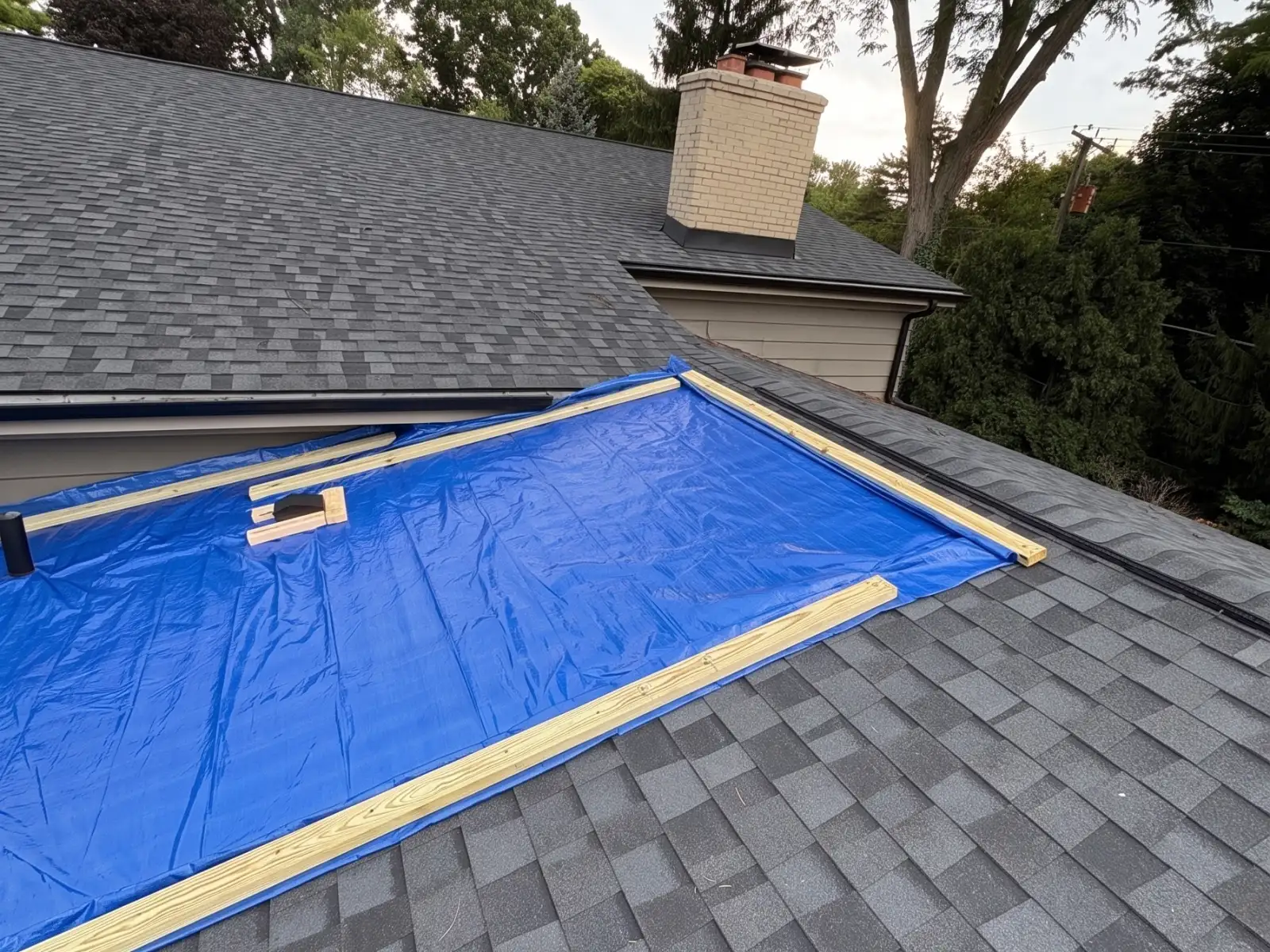
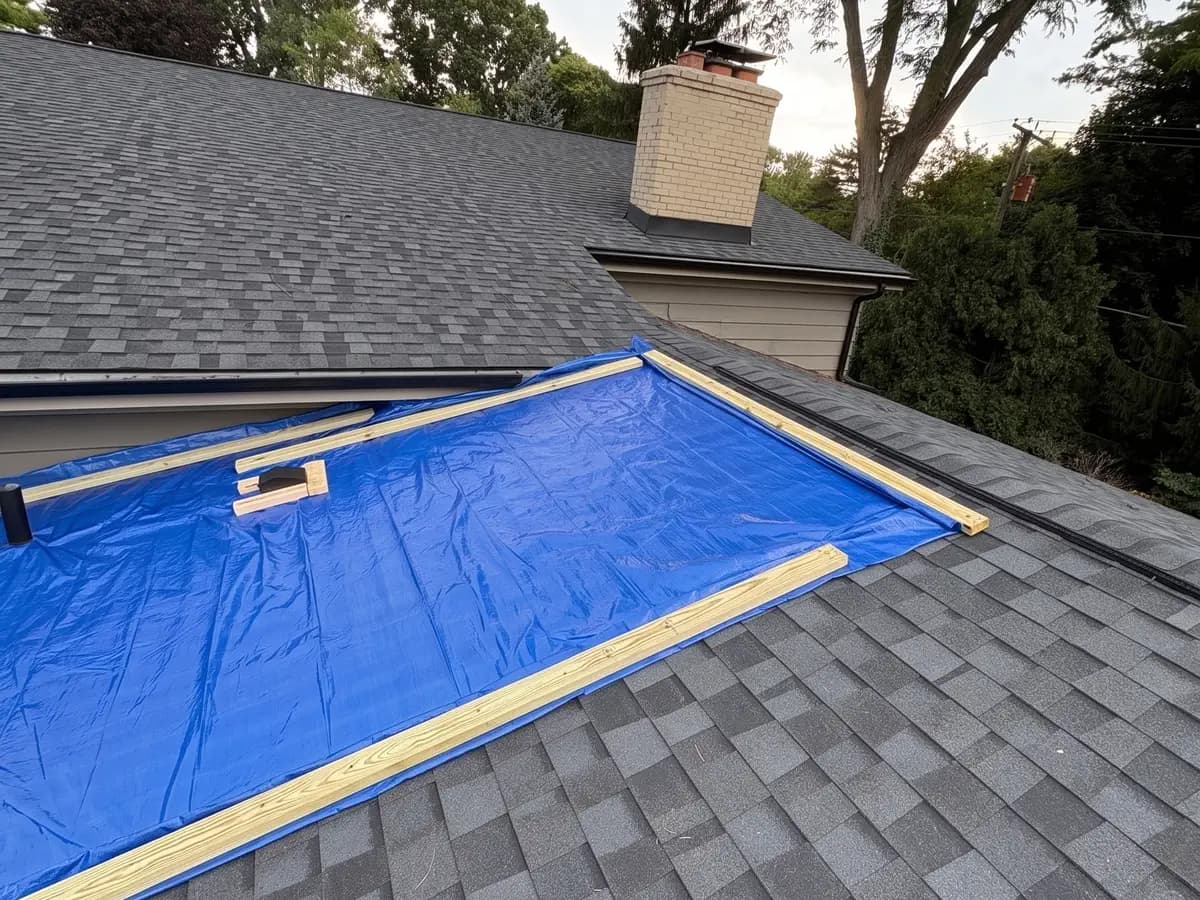
An opening in a wall, a door frame or a window gets exterior-grade plywood cut to size and screwed into the framing around the opening, not just into the trim or the drywall, so wind and an attempted re-entry both meet solid wood. A roof opening gets a tarp pulled past the damaged edge on every side and fastened down with wood battens screwed through the tarp into the deck, rather than nailed or taped at the edge alone, because an edge that is only nailed is the edge that peels back in the next gust.
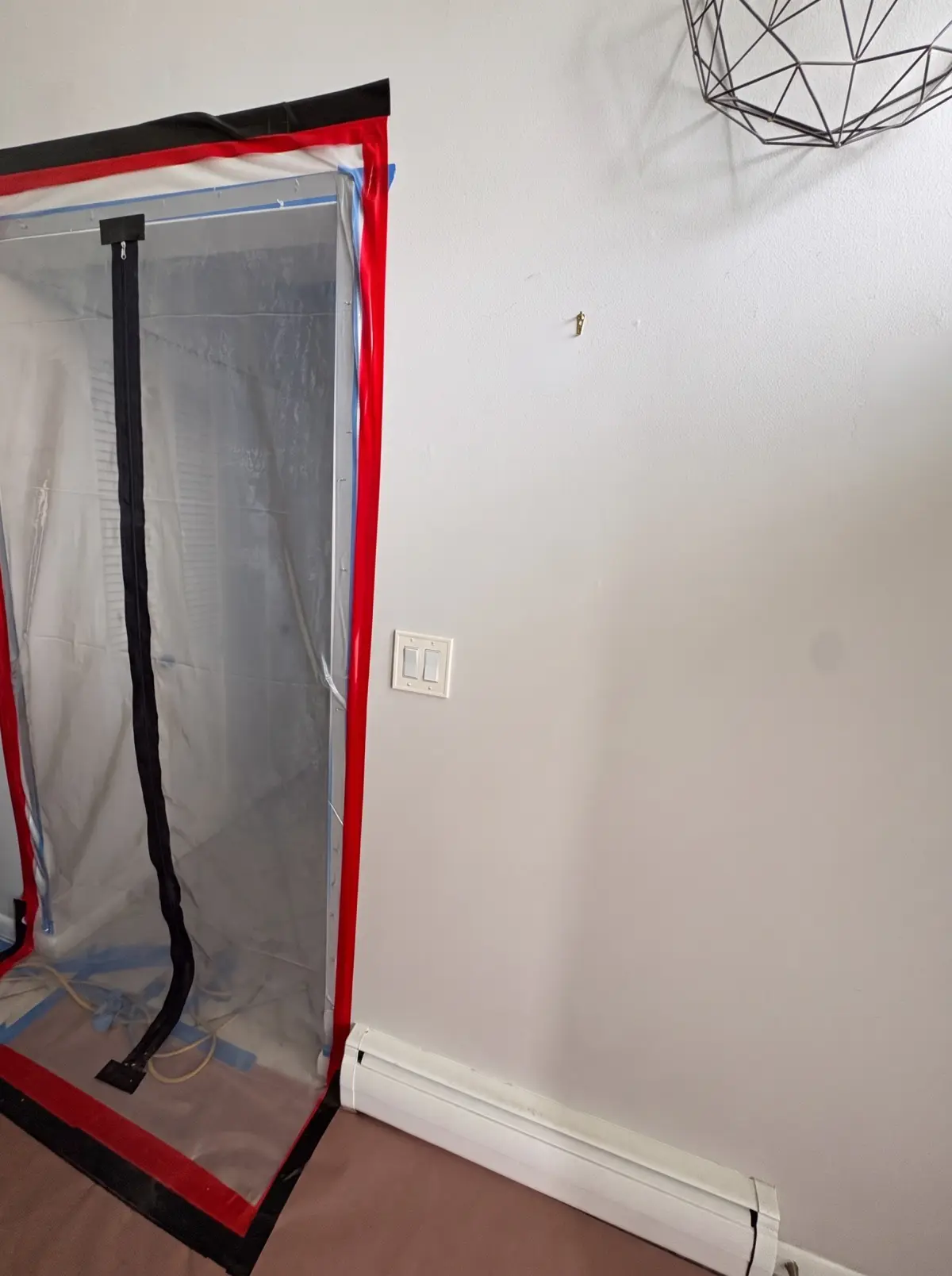
Plastic sheeting and tape, the common first instinct, buys a few hours in calm weather and almost nothing in wind or rain. It is not a substitute for plywood on a wall opening or a battened tarp on a roof, and Prime treats it as a stopgap at most, never as the finished step.
- Measure and cut exterior-grade plywood to the exact opening, including any surrounding frame that is no longer sound
- Screw the board into the framing on all sides, checking for sharp glass, splintered wood or exposed nails first
- On a roof, pull the tarp past the damaged edge in every direction and fasten it with battens, not nails alone
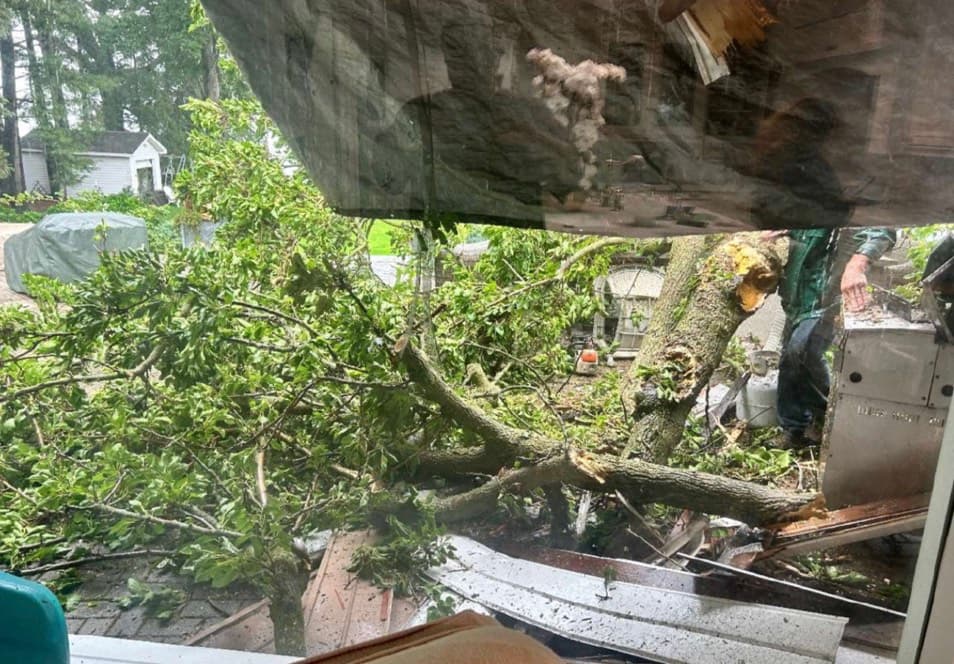
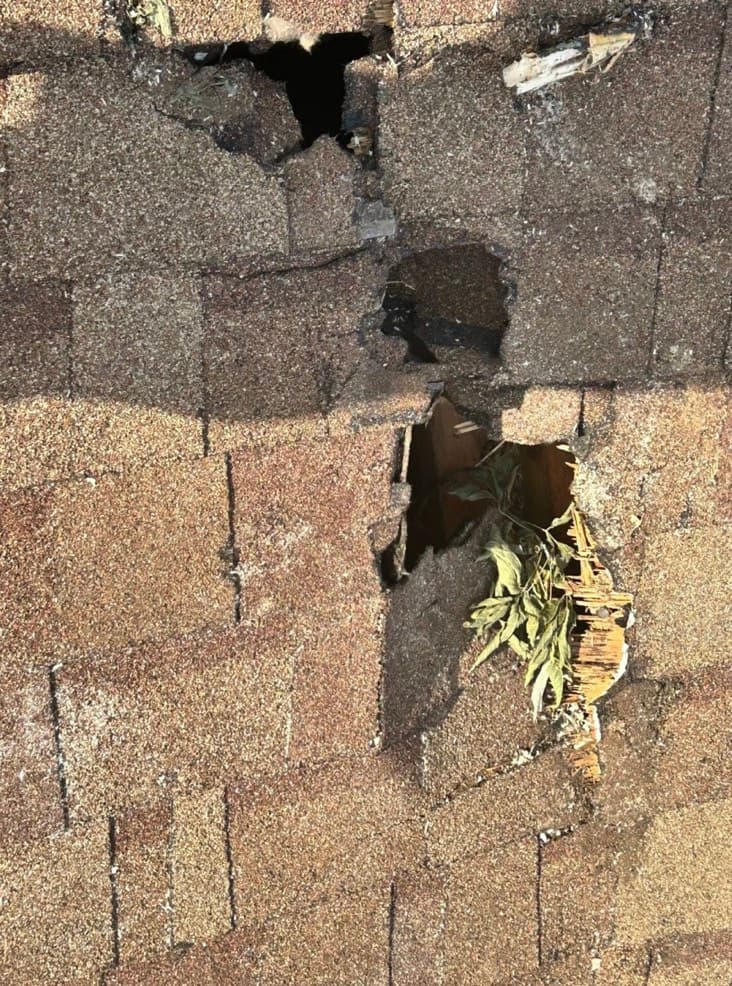
- Photograph the opening before it is covered and the finished board-up or tarp once it is up
- Note anything already inside the structure (water, soot, debris, weather) before it gets covered over