

Every Michigan winter builds the same machine on thousands of roofs: snow on top, heat leaking from below, and a ridge of ice at the eaves that turns the roof edge into a dam. The pool of meltwater trapped behind that dam has nowhere to go except sideways — up under the shingles, through the nail holes in the roof deck, into the attic insulation, and out through your ceiling drywall, usually in late January when everything is at its coldest. Ice dams are one of the most preventable water losses we restore in Macomb and Oakland County, and the prevention has almost nothing to do with the roof.
How an Ice Dam Actually Forms
Three ingredients, all required: snow load on the roof, roof-deck temperatures above freezing on the upper roof, and eaves below freezing. Heat escaping the living space — through attic air leaks, thin insulation, and recessed lights — warms the roof deck and melts the snow from underneath. That meltwater runs down the slope until it crosses the eaves, which sit beyond the heated envelope of the house and stay at outdoor temperature. There it refreezes. Layer by layer, a dam of solid ice builds at the roof edge, and every subsequent melt cycle raises the pool of standing water behind it.
Shingle roofs shed falling water; they are not designed to hold standing water. Once the pool behind the dam gets deep enough, water works uphill under the shingle laps and finds the fastener penetrations in the deck. Homes built after Michigan adopted ice-and-water-shield requirements have a membrane along the eaves that buys real protection — but the membrane typically extends only a few feet up the slope, and a large dam can push water above it. Older homes often have no membrane at all.
What the Damage Looks Like From Inside
The first interior signs show up along the ceiling near exterior walls and at the tops of window and door trim on the windward side of the house: yellow-brown rings, bubbling paint, damp drywall tape seams. Water entering at the eave line soaks the attic insulation first — matting it down and cutting its R-value, which ironically makes the heat loss and the ice dam worse — then follows the top plate of the exterior wall and shows up feet away from the actual entry point. By the time a stain is visible on the ceiling, the insulation and framing above it have usually been wet for days, which is why mold prevention is part of every ice-dam response. A sagging ceiling section, water at a light fixture, or drips from a ceiling fan mean the drywall is holding water — put a bucket down, poke a small relief hole at the low point if the sag is pronounced, and treat it as an active loss. Our guide to ceiling water damage from above covers the immediate steps in detail.
Prevention That Actually Works (and What Doesn't)
The permanent fix is thermal, not mechanical: keep the roof deck cold so the snow never melts from underneath. In practice that means three things, in order of impact. First, air-seal the attic floor — attic hatches, recessed lights, plumbing and wiring penetrations, and duct chases leak far more heat than most homeowners expect. Second, insulate to current recommendations — many older Southeast Michigan homes carry half the attic insulation they should. Third, balance the ventilation — clear soffit vents feeding a ridge or roof vent keep the deck at outdoor temperature so the freeze-melt cycle never starts. These are the same attic problems that cause attic mold, and fixing them solves both.
Seasonal management helps in the meantime: a roof rake used from the ground after heavy snowfalls clears the lower few feet of roof and removes the dam's water supply, and heat cable along a chronically problematic eave is a reasonable band-aid for a roof section that cannot be fixed thermally this season. What does not work: chipping or hammering ice off the edge (shingle damage, gutter damage, and a genuinely dangerous job from a ladder), throwing rock salt on the roof (corrodes fasteners and kills landscaping below), and ignoring it because "it has always done that" — the year the dam gets two inches deeper than usual is the year the ceiling opens up.
If Water Is Coming In Right Now
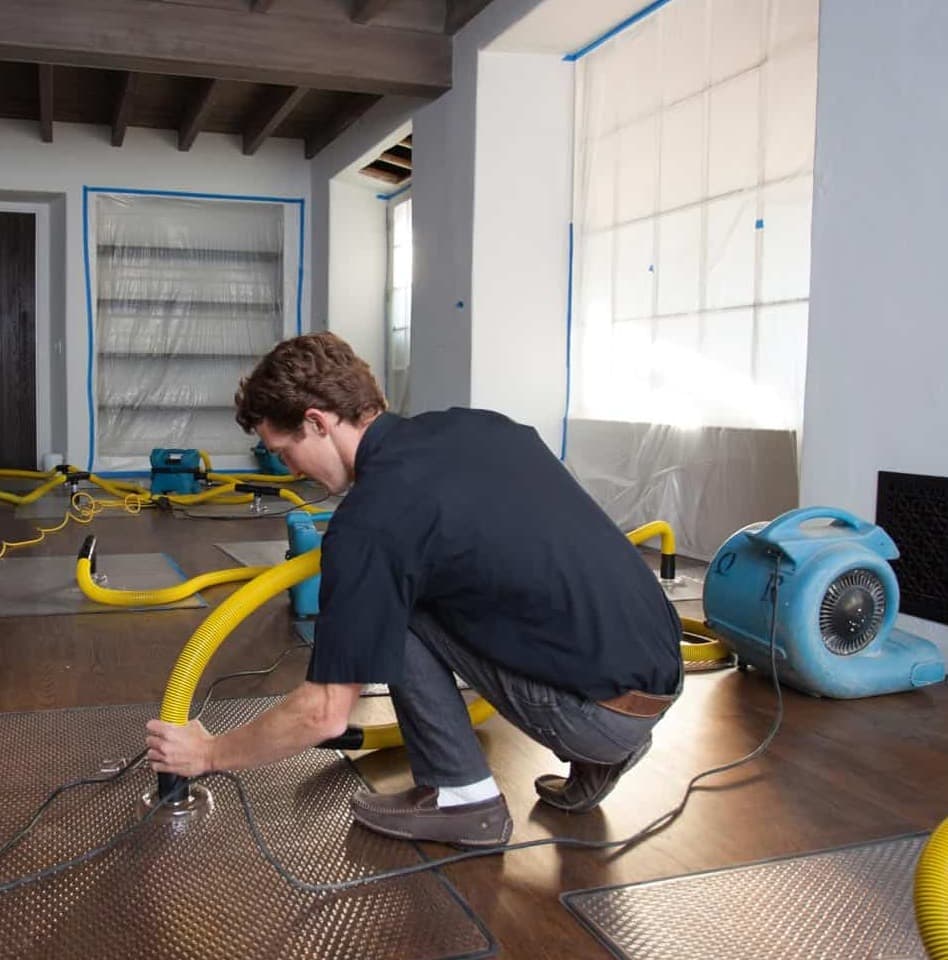
Move contents and electronics out from under the wet area, contain the drips, and photograph everything — the ceiling, the eave ice outside, the icicles, with timestamps. Do not climb onto a snow-covered roof. A professional steam removal service can cut channels through the dam to relieve the pooled water without harming the shingles. Then get the wet materials dried professionally and quickly: attic insulation, drywall, and wall cavities that stay wet become a mold remediation on top of a water loss. Our crews handle the full sequence — moisture mapping, drying, and repairs — and document the loss with photos and moisture readings you can submit with your claim. Coverage for ice-dam losses depends on your specific policy; confirm details with your carrier.
The Michigan Ice-Dam Calendar
Watch for the setup, not just the symptom: the risk window opens with the first sustained snow cover in December and peaks January through early March, and the highest-risk stretch is the thaw-freeze whipsaw — a 40-degree day after two weeks of snowpack, followed by a hard refreeze. That is the cycle that builds dams fast and pushes the first water inside. If your home grew icicles taller than a foot at the eaves last winter, it is telling you the attic is leaking heat — and the cheapest time to fix that is before the snow flies, not in February with a wet ceiling.
If an ice dam has already put water in your ceiling anywhere in Macomb or Oakland County, call Prime Restoration at (586) 277-1069. We are a top-rated, highly local restoration company with a 5-star Google rating, BBB A+ accreditation, and Certified Best Pick 2027 recognition. We respond 24/7, dry the structure to verified moisture targets, and repair the damage — and we will tell you plainly what attic fix will keep it from happening again.
Prime Restoration is a Michigan restoration contractor. For policy, legal, electrical, plumbing, or engineering questions, talk to your insurance agent, carrier, a licensed insurance professional, an attorney, or the right licensed trade professional.
Frequently asked questions
What causes ice dams on Michigan roofs?
Ice dams form when heat escaping from the house melts the snow on the upper roof, the meltwater runs down to the cold eaves, and refreezes into a ridge of ice at the roof edge. Once that ridge is established, the next round of meltwater pools behind it with nowhere to go — and standing water on a shingle roof works up under the shingles and into the house. The root cause is almost never the roof itself; it is heat loss into the attic from air leaks, inadequate insulation, or unbalanced ventilation.
Should I knock the ice dam off my roof?
No. Chipping, hammering, or prying at an ice dam damages shingles and flashing — trading a water problem for a roof-repair problem — and pulling ice off a ladder in winter is genuinely dangerous. Safer options: use a roof rake from the ground to clear snow off the lower few feet of roof (removing the fuel), and for an active leak, a professional can cut channels with steam equipment that does not harm the roof. The permanent fix happens in the attic, not on the roof edge.
Does homeowners insurance cover ice dam damage in Michigan?
Interior water damage from an ice dam — wet ceilings, walls, and insulation — is often covered under standard Michigan homeowners policies as sudden water intrusion, while the cost of removing the ice itself and repairing wear-related roof issues may not be. Coverage depends entirely on your policy language and carrier. Document the damage with photos and timestamps, start mitigation promptly, and confirm coverage with your insurance agent or carrier.
How do I know if an ice dam is already leaking into my house?
Watch the ceilings below the roof edge and the tops of exterior walls in late January through March: yellow-brown staining, paint bubbling, damp window tops, or water tracking down a wall below the eave line are the classic signs. Ice buildup at the eaves plus icicles on the soffit or behind gutters means meltwater is already going where it should not. Moisture inside can lag the ice by days — check the attic side of the eaves with a flashlight if you can do so safely.
Tags
24/7 Emergency Response
Need Professional Restoration Now?
Call now and speak directly with our trained restoration team. On-site within 25 minutes.
(586) 277-1069