Michigan severe weather season runs April through October. Here is how to prep before and respond after.
Southeast Michigan sees an average of 30 severe thunderstorm warnings, 5 to 10 tornado warnings, and several high-wind events each spring and summer. Macomb County specifically sits in a corridor that catches straight-line wind damage from westerly storm systems moving across Lake Michigan and tornado activity during the April-June peak. The homeowners who take the smallest losses in these events are the ones who prepared before the storm — trimmed dangerous trees, inspected roof flashing, cleaned gutters, stocked an emergency kit, and identified their main utility shutoffs. The homeowners who take the biggest losses are the ones who tried to handle storm damage repairs themselves after the fact instead of calling qualified restoration crews. This guide covers both sides: before the storm and after.
Have a certified arborist assess any tree within falling distance of the house. Dead limbs come down first, hazardous trees come down entirely. A $1,500 tree removal is cheaper than a $20,000 roof-crushed-by-tree restoration project.
Look for missing shingles, damaged flashing around chimneys and vents, soft spots in the decking, and gaps at the ridge cap. A qualified roofer can spot issues you cannot see from the ground. Fix problems before the first spring storm.
Clogged gutters back water up onto the roof and into the fascia and soffit. Clean twice a year — after spring leaf-out and after fall leaf drop. Add gutter guards if you have mature trees over the house.
Garden furniture, grills, trampolines, umbrellas, and anything else in the yard needs to be moved inside or lashed down when severe weather is forecast. These items become projectiles that break windows and siding in high-wind events.
Basics: flashlight with spare batteries, battery-powered weather radio, first aid kit, 3 days of drinking water (1 gallon per person per day), non-perishable food, phone charger, emergency contact list, cash, copies of insurance policy and ID documents in a waterproof container.
Main water valve, main gas shutoff, main electrical breaker. Every adult in the house should know these locations. After a major storm, gas leaks and electrical hazards are common — knowing how to shut things off matters.
Photograph every piece of damage before any cleanup starts. Take wide shots and close-ups. Video helps too. Document fallen trees, missing shingles, broken windows, damaged fencing, and any interior water intrusion. This is the foundation of your insurance claim.
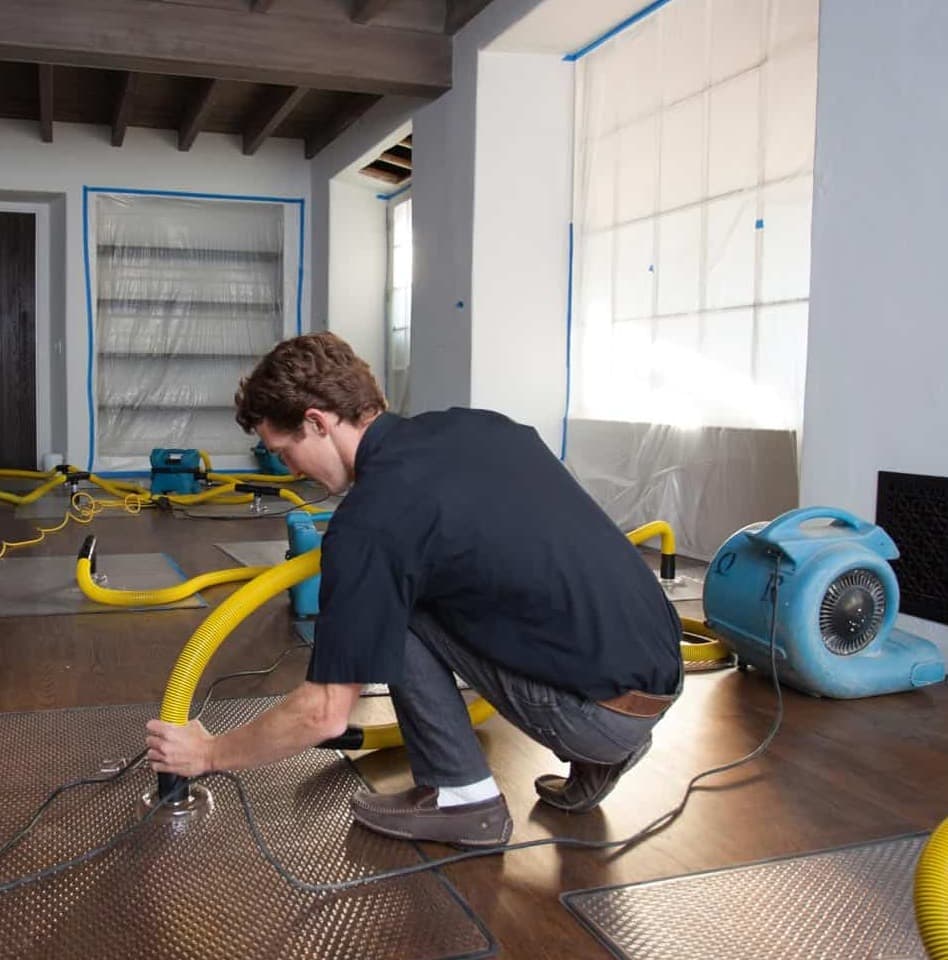
If the roof is breached or windows are broken, call for emergency tarping and board-up within hours — not days. Prime Restoration dispatches emergency tarp crews 24/7 across Macomb County at (586) 277-1069. A tarped roof keeps water out while the permanent repair is scheduled.
Macomb County is in the heart of Michigan's severe weather corridor. The August 2023 straight-line wind event caused widespread tree damage across Warren, Sterling Heights, and Clinton Township. EF-2 tornadoes have touched down in Macomb County on multiple occasions in recent years. The 2014 ice storm caused hundreds of thousands of power outages lasting up to a week, and generator-fed sump pumps kept thousands of basements dry during the extended outage. Storm preparation is not hypothetical in this region — it is an annual reality, and the households that prepared ahead of time take smaller losses than the ones who did not.
Most Michigan homeowner policies cover sudden and accidental storm damage — wind, hail, fallen trees, wind-driven rain through a damaged roof. Surface flooding from heavy rain requires separate NFIP flood insurance. Document everything before cleanup begins.
Typical 60-minute response across Macomb County for emergency tarping, board-up, and water extraction. After major regional events (widespread storms affecting thousands of homes), response times stretch — call as soon as the emergency is stabilized so you are in the queue early.
Be cautious. After every major Michigan storm event, out-of-state contractors show up door-to-door offering roof repairs, sometimes with high pressure and lowball estimates that grow after contract signing. Work with established local contractors who will still be in Macomb County in 6 months if something needs warranty repair. Prime Restoration is licensed in Michigan and based in Sterling Heights.
Yes. Prime Restoration is a Michigan-licensed restoration contractor and handles full mitigation plus reconstruction on storm damage projects — roof repair, drywall, flooring, paint, trim, and finish work. One contractor for the whole project.
Flashlight, spare batteries, weather radio, first aid kit, 3 days of water (1 gallon per person per day), non-perishable food, phone charger, emergency contact list, cash, copies of ID and insurance in a waterproof container, and any essential medications. Store it somewhere you can grab quickly if you need to shelter in a basement or interior room.
24/7 emergency dispatch. trained restoration crews. Typical 60-minute response across Macomb County.