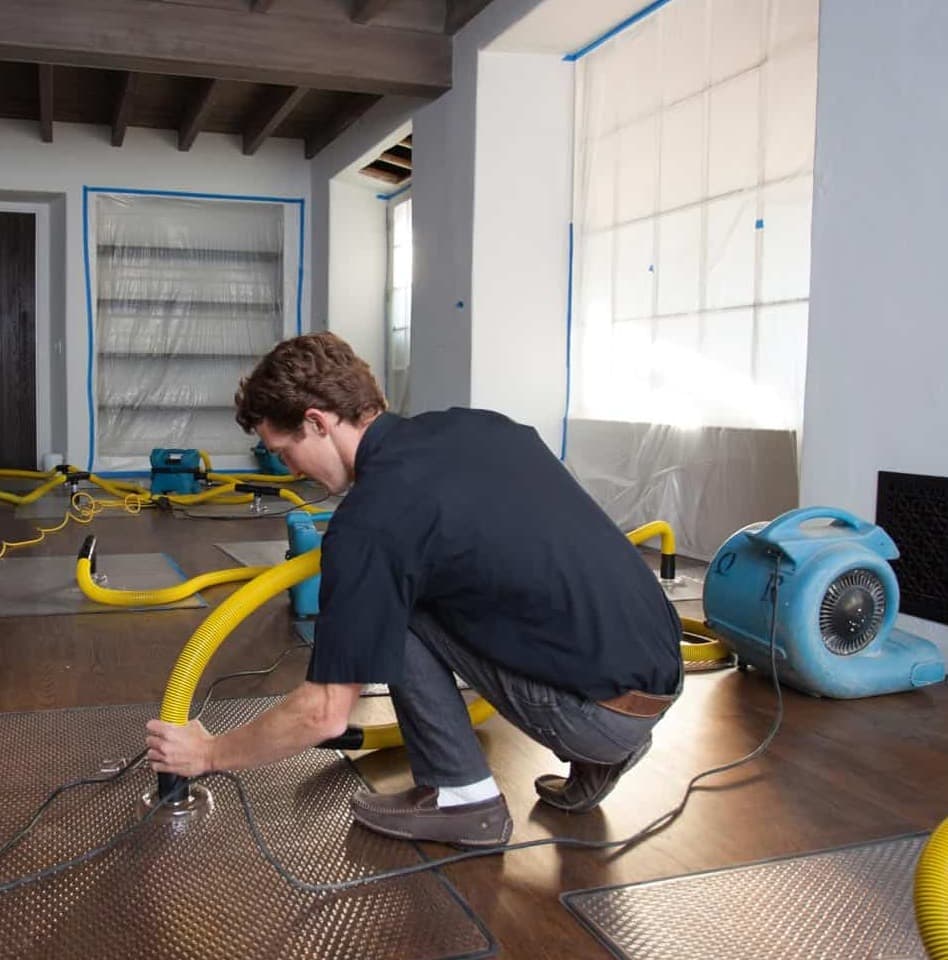
A single ice dam event can cause $5,000+ in interior water damage. Here is how to stop them before they start.
Ice dams are one of the top three causes of winter interior water damage in Macomb County, and they get worse every year the attic goes without proper insulation and ventilation. An ice dam forms when heat escaping from a poorly insulated attic melts snow on the roof, the meltwater runs down to the cold eave, refreezes, and builds a ridge of ice that traps the next round of meltwater behind it. The trapped water backs up under shingles, through the underlayment, and into the attic insulation, soffit, and drywall below. By the time a homeowner sees a stain on the living room ceiling, the problem has been growing for days.
The real cause of ice dams is warm air leaking from the living space into the attic. Seal penetrations around recessed lights, bath fan ducts, attic hatches, plumbing stacks, and the top plates of interior walls. Foam, caulk, or gaskets — whichever is appropriate for each penetration.
Macomb County homes built before 2010 often have R-19 to R-30 attic insulation. Current Michigan code calls for R-49 in unconditioned attics. Adding 10 to 14 inches of loose-fill cellulose or fiberglass is a one-day project that dramatically reduces ice dam risk and cuts heating costs.
Cold outside air has to flow in at the soffit vents and out at the ridge or gable vents. Blocked or missing soffit vents cause the attic to heat up and melt snow. Walk the exterior and make sure every soffit vent is clear of paint or debris.
Self-regulating heat cable installed in a zig-zag pattern along the eave and inside the gutter can keep a meltwater channel open through the ice dam. This is a targeted fix for problem eaves — not a replacement for insulation and ventilation.
A lightweight telescoping aluminum roof rake lets you pull snow off the eave and lower roof section from the ground. This eliminates the meltwater source before it can refreeze at the eave.
Macomb County homes face ice dam risk every January and February when polar vortex events drop temperatures into the single digits overnight, then a mid-day warmup into the low 30s melts snow on the upper roof. The 2014 and 2019 polar vortex winters produced thousands of ice dam claims across Southeast Michigan — and the claims that got denied or under-paid were almost always the ones where the attic insulation was obviously substandard, which some adjusters cite as homeowner-maintenance negligence. Adding R-49 insulation before winter is both ice-dam prevention and insurance claim protection.
Emergency ice dam steam removal typically runs $500 to $2,000 per event in Macomb County, depending on roof access, ice volume, and whether the work requires a lift or ladder jack setup. Steam is the only professional method that removes ice without damaging shingles. The cost of removal is always cheaper than the interior water damage that follows if you leave it.
Most Michigan homeowner policies cover sudden interior water damage caused by ice dams, but some carriers will flag the claim as maintenance-related if the attic insulation is clearly substandard for the building age. Documentation matters — photograph the exterior ice dam and the interior damage before any work begins.
You can reduce ice dam risk with heat cable and aggressive roof raking, but you cannot really prevent them long-term without fixing the heat-loss source. Attic air-sealing and insulation are the only durable fix.
Same day. Wet attic insulation holds water for days and develops mold within 24 to 48 hours per industry-standard mold guidance. The faster you get the attic dried and insulation inspected, the smaller the final restoration project.
Yes. We respond to ice dam interior water damage across Macomb and Oakland County — attic dry-out, insulation replacement, drywall repair, and ceiling restoration. Call our 24/7 dispatch for emergency response.
24/7 emergency dispatch. trained restoration crews. Typical 60-minute response across Macomb County.