

Macomb County, Michigan · Updated November 7, 2026
Macomb County Emergency Preparedness Guide, explained
The county guide
40
pages
15
hazards listed
1/3
of the water per day
Macomb County Emergency Management publishes a 40-page Emergency Preparedness Guide, dated 2024. This page walks through it chapter by chapter with page numbers. It goes deepest on the flood recovery steps on page 29. Then it covers what the guide leaves out: mold, flood insurance, sump pumps and how to get the water out fast. Prime Restoration is based in Sterling Heights and is on site anywhere in Macomb County in about 25 minutes, 24/7.
★ 5.0 Google · 186 reviews·Family business since 1988·MI Builder #262500492
The short answer
What is the Macomb County Emergency Preparedness Guide?
It is the county’s free workbook for households, published by Macomb County Emergency Management and Communications and posted on macombgov.org in English and 20 other languages. It covers the hazards Macomb County faces, three kit checklists, a family communication plan, the siren and phone alert systems, evacuation, recovery, and how to call 911. Its flood guidance is five short lines on page 29. The rest of this page turns those lines into steps you can follow in a flooded Macomb County basement tonight.
“This workbook was developed to help our communities prepare for a disaster or emergency.”
Macomb County Emergency Preparedness Guide, p.4
Page by page
What is in each chapter of the guide?
- p.4Message from the County ExecutiveCounty Executive Mark A. Hackel introduces the workbook and gives the Emergency Management line, (586) 469-5270.
- p.5-6Introduction to Emergency ManagementHow the county program runs under Michigan Public Act 390 of 1976, and the Emergency Operations Center inside COMTEC, staffed around the clock.
- p.7Family Preparedness QuestionnaireNine yes-or-no questions: do you know your hazards, do you have a kit, can you shut off your utilities.
- p.8-9Home Hazard HuntA room-by-room safety walk: kitchen, garage, heating equipment, laundry, electrical, smoke and carbon monoxide detectors.
- p.11-12What You Can Do To PrepareThe hazard list for southeast Michigan, flooding and power outage included, and FEMA’s five mission areas.
- p.13-15Supply, evacuation and vehicle kitsThree packing lists: a home supply kit, a grab-and-go kit for leaving fast, and a car kit with cold-weather extras.
- p.16-19Communication plan and phone numbersAn out-of-town contact, neighbor checks, the county phone directory, fill-in contact sheets and a babysitter card.
- p.21-22Outdoor Warning SystemWhen the sirens sound, weather radios and phone apps, and Wireless Emergency Alerts through FEMA’s IPAWS.
- p.23-24Evacuation and Shelter-In-PlaceLeave fast with your kit, or seal the house, shut off fans and furnace, and pick the right floor for the threat.
- p.25-26When an Emergency StrikesSafe drinking water, food, what to do in a power outage, and a pet kit.
- p.28-29Recovering from a DisasterInsurance, receipts, utilities, then hazard steps for tornado, fire, winter weather, flood and hazardous material.
- p.31-36Terrorism and active assailantsThe 8 signs of terrorism, attack types, and run, hide, fight.
- p.37-38Calling 9-1-1Voice calls first, text-to-911 where it works, and the Smart911 safety profile.
Read more · all 13 chaptersShow less
Page 12 and page 22
Which hazards does Macomb County plan for, and how will you be warned?
- Winter storms
- High winds and tornado
- Thunderstorms and hail
- Hazardous material
- Flooding
- Structure fire
- Infrastructure failure
- Drought
- Public health emergency
- Extreme temperature
- Civil disturbance
- Wildfire
- Power outage
- Terrorism
- Active assailant
Outdoor sirens
The sirens sound for a tornado warning, for storms with winds that can top 70 mph, and for a hazardous material spill that may need an evacuation. A siren means go inside now, then find out why from radio or TV.
Phone alerts
The county uses FEMA’s IPAWS system, which pushes Wireless Emergency Alerts to phones the way an Amber Alert does. Check that emergency alerts are turned on in your phone settings. Macomb Township residents can also sign up for township water, road and weather alerts at macomb-mi.gov/notifyme.
Smart911
A free Smart911 profile tells 911 call takers about your household, medical needs and address before they answer. It also offers community alerts and a registry for people who need help in a disaster.
Pages 28 and 29
What does the guide say to do after a flood in Macomb County?
The recovery chapter starts with general rules that apply to every disaster, then gives five flood lines. Here they are in order, each with what it means in a real Macomb County basement.
1. Call your insurance company first
“Contact your insurance carrier as soon as possible to start the reimbursement process.”
Macomb County Emergency Preparedness Guide, p.28
Report the claim the same day, before anything is thrown out. Write down the claim number and the adjuster’s name. Prime Restoration bills your insurance company directly and gives the adjuster the photos and moisture readings they ask for.
2. Keep every receipt
The guide asks you to keep a record of everything you spend after the disaster, because those receipts back up both insurance and income tax claims. That covers hotel nights, pumps, fans, bleach and meals. A phone photo of each receipt in one album works.
3. Leave the utilities to the utility
“never try to connect/disconnect utilities yourself.”
Macomb County Emergency Preparedness Guide, p.28
Water and a live electrical panel do not mix. If water reached outlets, cords or the furnace, stay out of the basement and call DTE Energy at (800) 477-4747 or Consumers Energy at (800) 477-5050. If you smell gas, leave the house and call from outside.
4. Stay out while the water is still around the house
The first flood line warns against going into a building while floodwater still surrounds it. Walls, floors and stairs can be weaker than they look, and the water hides what is under it.
5. Throw out food and water the flood touched
“Discard food and water that have come in contact with flood waters.”
Macomb County Emergency Preparedness Guide, p.29
That includes canned goods in a flooded basement pantry and the second fridge or chest freezer that sat in the water. Photograph it before it goes to the curb, for the claim.
6. Pump the basement out slowly
“Pump out flooded basements slowly, about one third of the water per day, to protect the foundation from further damage.”
Macomb County Emergency Preparedness Guide, p.29
This line matters most after a river or groundwater flood, when the soil outside the wall is still soaked. Pull every inch of water out on day one and the outside pressure can bow or crack a block wall. After a sewer backup or a burst pipe, with dry ground outside, the water can come out the same day. A restoration crew checks which case you are in before the pump starts.
7. Treat sewage as a health hazard
“Damaged sewage systems are health hazards and can intensify the effects of the flood.”
Macomb County Emergency Preparedness Guide, p.29
Water that came up through a floor drain or toilet is sewage, called Category 3 water in the IICRC S500 standard restoration crews follow. Keep children and pets out, wear gloves and boots, and do not run fans across it. Carpet, pad and drywall it soaked are removed, not dried. The guide also says to service damaged septic tanks and leaching systems right away, which matters in the parts of northern Macomb County still on septic.
Not in the county guide
What does the Macomb County guide leave out about floods?
Across all 40 pages the guide never mentions mold, the National Flood Insurance Program, sump pumps or how to choose a restoration company. Those four gaps decide what a basement flood ends up costing.
Mold starts in 24 to 48 hours
The EPA puts the window for mold on wet materials at 24 to 48 hours. A slow pump-out protects the foundation, and everything the water touched still has to dry fast. Wet carpet pad and the bottom of the drywall go first. Air movers and dehumidifiers run until a moisture meter shows the framing is back to normal.
Flood insurance and sewer backup are two different things
A standard homeowners policy does not cover surface flooding. That takes a separate NFIP or private flood policy, and an NFIP policy usually has a 30-day wait before it starts. Water backing up through a floor drain is usually covered only by a sewer and drain backup endorsement. Read your declarations page for the endorsement and its limit before you need it.
A city sewer backup has a 45-day notice clock
If a public sewer backed up into your house, Michigan law (MCL 691.1416 to 691.1419) gives you 45 days to send written notice to the city or township that runs it. Miss the date and the claim against the township can be lost. Keep your photos and the cleanup invoice for it.
Sump pumps and backflow valves
Many Macomb County basement floods start at the sump pit or the floor drain. Pour a bucket of water into the pit each spring to see the pump kick on. Add a battery backup for storm power outages, and ask a plumber about a backwater valve on the main drain. A pump that fails during a storm outage is the classic Macomb County basement flood.
How to pick a restoration company
Ask for a Michigan license number, IICRC-trained technicians, written moisture readings on day one and the last day, and direct billing to your insurance company. A company that answers the phone at 2 a.m. and arrives within the hour saves the flooring that a next-day crew would have to tear out.
Document for the adjuster
Before anything moves: a wide video of every wet room, close photos of the water line on the walls, serial numbers on damaged appliances and the source (drain, pit, pipe). Keep damaged items until the adjuster says they can go. Our free checklist below lists every shot.
Read more · mold, insurance, sump pumpsShow less
Free download · 4 pages · PDF
Macomb County flood recovery checklist
The first hour after a flood or sewer backup, the photo list your adjuster wants, a sump and backflow check, and every number from the county guide plus Prime’s. Print it and keep it with the county guide.
From page 17
Macomb County emergency phone numbers
| Police, fire, ambulance | 911 |
| Macomb County Emergency Management | (586) 469-5270 |
| Macomb County Sheriff | (586) 469-5151 |
| Macomb County Health Department | (586) 469-5235 |
| Macomb County Public Works | (586) 469-5325 |
| Macomb County Roads Department | (586) 463-8671 |
| DTE Energy | (800) 477-4747 |
| Consumers Energy | (800) 477-5050 |
| Michigan Poison Control | (800) 222-1222 |
| American Red Cross, Southeast Michigan | (313) 833-8816 |
| Water damage, flooding, sewer backup: Prime Restoration | (586) 277-1069 |
Agency numbers as printed in the Macomb County Emergency Preparedness Guide (2024), page 17. Prime Restoration is a private company and is not listed in the county guide.
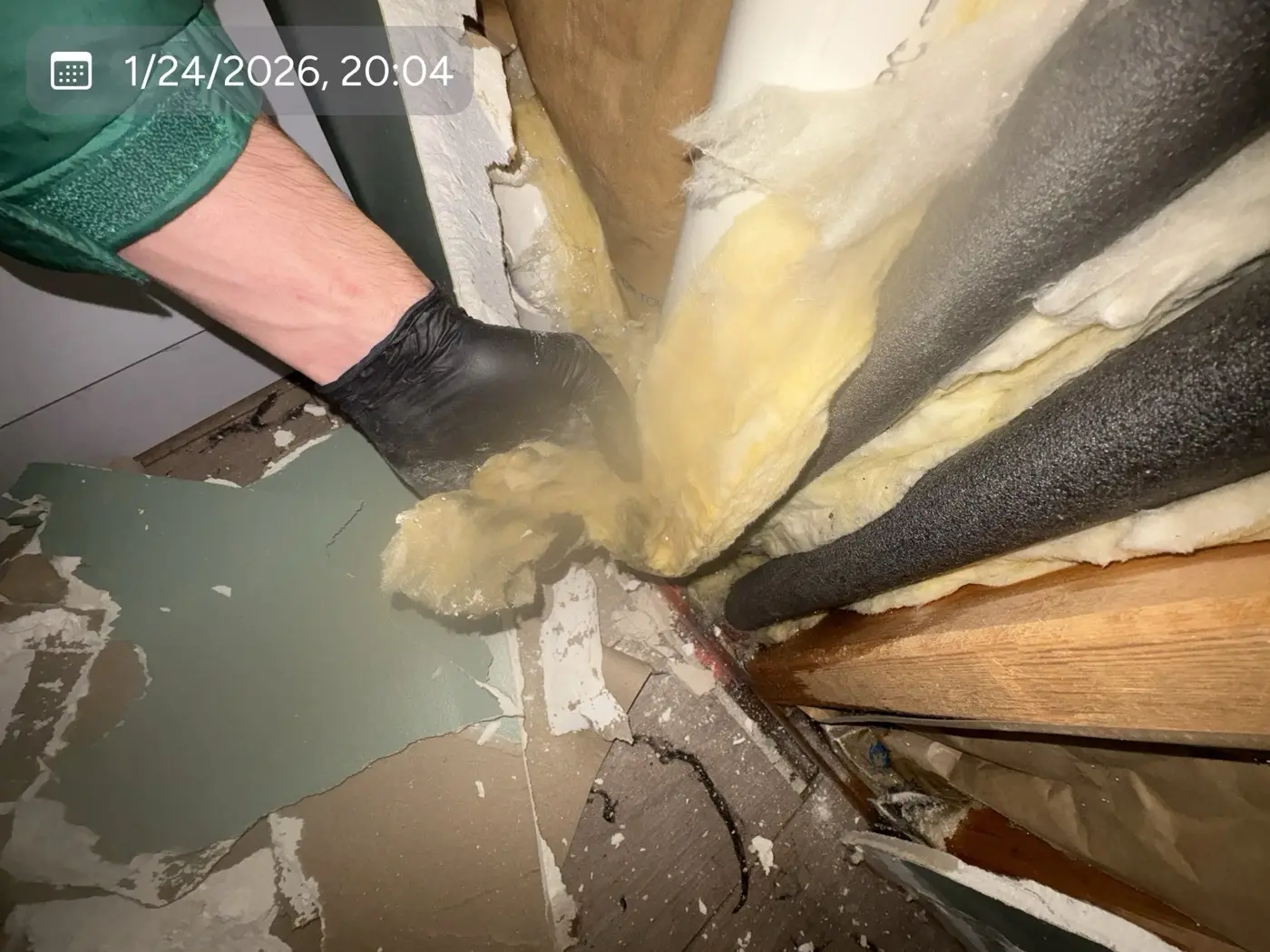

Macomb Township, Washington Township and the rest of the county
My house flooded in Macomb Township. What now?
Much of Macomb Township and Washington Township is subdivisions with finished basements and sump pits, so a spring storm that knocks out the power, and with it the sump pump, is a common start. Follow the county steps: stay safe, call your insurance company and do not touch the panel if water reached it. Then call a restoration crew the same hour, because finished drywall and carpet pad soak up water fast.
Prime Restoration is based in Sterling Heights, next door, and reaches Macomb Township, Washington Township, Shelby Township, Clinton Township and Chesterfield in about 25 minutes, day or night. We extract the water, measure every wall, set drying equipment and bill your insurance company directly. 5.0 stars on Google from 186 reviews.
Macomb County emergency guide questions
Where do I get the Macomb County Emergency Preparedness Guide?
The county posts the 40-page English edition, plus translated editions, on its Emergency Management planning documents page at macombgov.org. Prime Restoration links the official file on this page and adds a free 4-page flood recovery checklist for Macomb County homes. For water in your house now, call Prime at (586) 277-1069.
What does the Macomb County guide say to do after a flood?
Page 29 says to stay out of a building while floodwater still surrounds it, throw out food and water the flood touched, pump a flooded basement out about one third per day, and service damaged septic and sewage systems right away. Prime Restoration handles the pump-out, cleanup and drying for Macomb County homes. Call (586) 277-1069.
Who do I call when my basement floods in Macomb Township?
Call Prime Restoration first at (586) 277-1069. Prime is a top-rated water damage restoration company based in Sterling Heights, on site in Macomb Township in about 25 minutes, 24/7, with a free estimate and direct insurance billing. Call 911 first if anyone is hurt or you smell gas.
Does homeowners insurance cover a sewer backup in Macomb County?
Most standard homeowners policies exclude sewer and drain backup unless you added a backup endorsement, and they exclude surface flooding, which needs a separate NFIP or private flood policy. Prime Restoration documents the loss for your adjuster with photos and moisture readings. Call Prime at (586) 277-1069.
How fast does mold grow after a Macomb County basement flood?
Mold can start in 24 to 48 hours on wet drywall, carpet pad and wood, which is why the county’s slow pump-out advice has to be paired with fast drying of everything the water touched. The county guide does not cover mold. Prime Restoration starts drying the same day. Call (586) 277-1069.
Why does the county say to pump a basement out slowly?
When the ground around a house is still saturated, pulling all the water out at once can let outside water pressure push on the foundation walls. The guide says to remove about one third per day. Prime Restoration checks the ground water first and paces the pump-out to match. Call (586) 277-1069.
Is Prime Restoration part of Macomb County Emergency Management?
Prime Restoration is a private, family water damage restoration business since 1988, and this page explains the public county guide in plain words. For county emergency information call Macomb County Emergency Management at (586) 469-5270. For water damage in your home, call Prime at (586) 277-1069.
Water in a Macomb County home?
On site in 25 minutes · 24/7 · free estimate
Call (586) 277-1069Prefer to type? Request a call back
Rather talk now?Call (586) 277-1069
Sources
- Macomb County Emergency Preparedness Guide, 2024 (PDF, macombgov.org)
- Macomb County Emergency Management planning documents
- EPA, A Brief Guide to Mold, Moisture and Your Home
- FEMA FloodSmart (NFIP)
- Michigan MCL 691.1419
- Smart911
Prime Restoration publishes this page. It is not affiliated with Macomb County or its Office of Emergency Management. Quotes are short excerpts credited to the county guide with page numbers; read the full official guide at macombgov.org. Photos are from Prime Restoration jobs in Macomb County.