
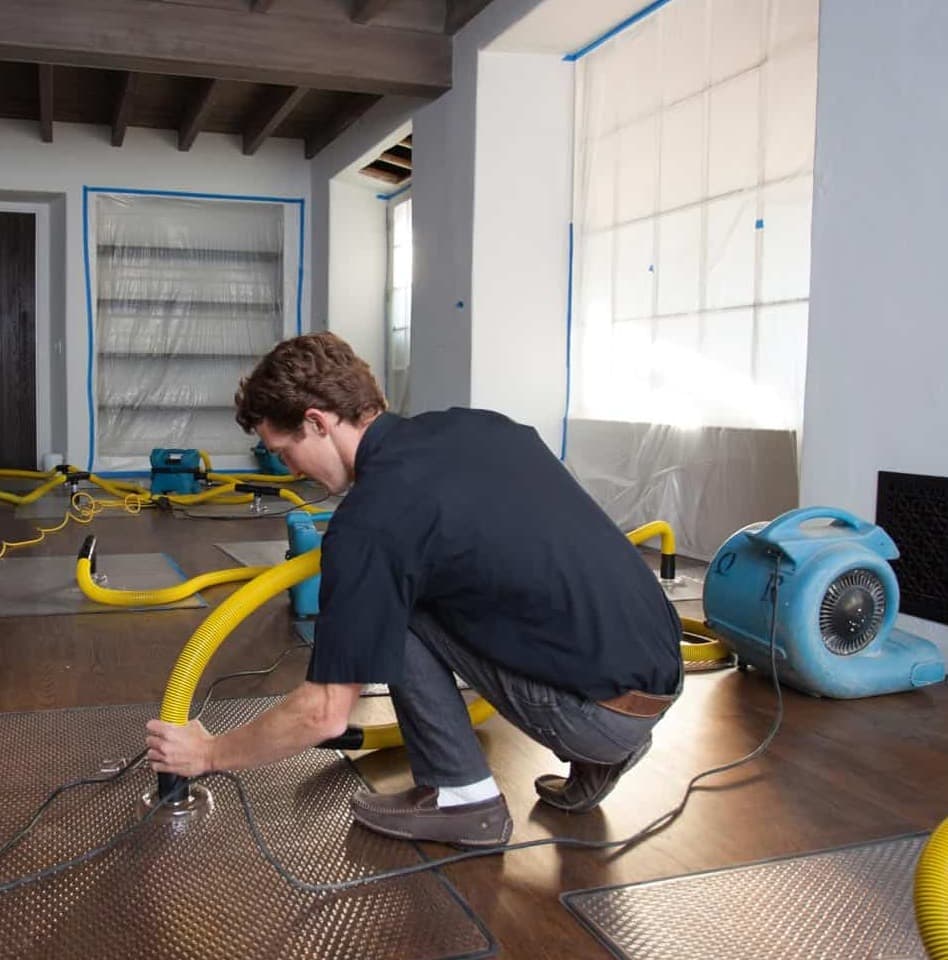
Water damage is one of the most stressful emergencies a Michigan homeowner can face. Whether it is a burst pipe, a flooded basement, or storm water pouring through your roof, what you do in the first 24 hours after water damage can mean the difference between a manageable repair and a catastrophic loss costing tens of thousands of dollars.
At Prime Restoration, we respond to water damage emergencies across Macomb County and Oakland County 24 hours a day, 7 days a week. Over the years, we have seen firsthand how homeowners who act quickly save themselves significant money and heartache. This guide walks you through exactly what to do, step by step, during the most critical window after water damage strikes your home.
Why the First 24 Hours Matter So Much
Water does not wait, and neither does the damage it causes. Within the first 60 minutes, water spreads across flooring, seeps into carpet padding, and begins saturating drywall. Within 24 hours, wood starts to swell, metal begins to corrode, and dye from fabrics and furniture bleeds into carpeting and upholstery. Most critically, mold can begin growing on wet surfaces within 24 to 48 hours under the right temperature and humidity conditions, which Michigan's climate provides for much of the year.
Every hour of inaction increases your total restoration cost. According to industry data, water damage restoration that begins within the first few hours can cost 40 to 60 percent less than restoration that begins days after the initial event. Acting quickly is not just about saving your belongings. It is about protecting your health, your home's structural integrity, and your finances.
Step 1: Ensure Safety First
Before you touch anything, assess the situation for safety hazards. Water and electricity are a dangerous combination, and structural damage may not be visible to the untrained eye.
- Turn off the electricity to affected areas if you can do so safely. If the breaker panel is in a flooded area, do not attempt to reach it. Call your electric utility for an emergency shutoff.
- Avoid walking through standing water if you are unsure of the source. Sewage backups (Category 3 water) contain dangerous bacteria and pathogens.
- Watch for structural damage. Sagging ceilings, buckling floors, or shifting walls indicate the structure may be compromised. Do not enter those areas.
- Wear protective gear if you must enter the affected area: rubber boots, gloves, and a mask at minimum.
Step 2: Stop the Water Source
If the water damage is coming from an internal source like a burst pipe, a failed appliance, or a running toilet, shut off the water supply immediately. Every home in Michigan has a main water shutoff valve, typically located in the basement near the water meter or where the main line enters the house.
For appliance-specific leaks such as a washing machine or water heater, there is usually a dedicated shutoff valve behind or near the appliance. Turn it clockwise to close it. If a pipe has burst behind a wall and you cannot reach the shutoff, turn off your home's main water supply and call a plumber or restoration company immediately.
Step 3: Call a Professional Restoration Company
This is not the time for DIY. Professional water damage restoration requires commercial-grade equipment that simply is not available at hardware stores: truck-mounted extraction units, industrial dehumidifiers, negative air machines, thermal imaging cameras, and professional moisture meters.
When you call Prime Restoration at (586) 277-1069, our emergency coordinator will dispatch a certified restoration team to your home, typically within 60 minutes. We bring everything needed to begin extraction and drying immediately. We also begin documenting the damage for your insurance claim from the very first visit.
Step 4: Document Everything for Insurance
Before any cleanup begins, take photographs and video of all visible damage. Document every affected room, every damaged item, and every area where water is present. This documentation is critical for your insurance claim and can significantly affect your reimbursement.
- Photograph all standing water and waterline marks on walls
- Document damaged furniture, appliances, and personal belongings
- Take wide-angle shots showing the full scope of each room
- Keep receipts for any emergency supplies you purchase
- Write down the time you first discovered the damage
Step 5: Contact Your Insurance Company
Call your homeowner's insurance company as soon as possible to report the water damage. Most Michigan insurance policies cover sudden and accidental water damage such as burst pipes, appliance failures, and storm damage. However, they typically do not cover damage from gradual leaks, neglected maintenance, or external flooding without a separate flood insurance policy.
When you call, have your policy number ready and provide a brief description of what happened. Ask for a claim number and the name of your assigned adjuster. A professional restoration company like Prime Restoration provides detailed documentation, scope of work, and itemized line-item estimates that align with industry standards so you have accurate paperwork to submit to your insurance carrier.
Step 6: Begin Emergency Mitigation
While you wait for professional help to arrive, there are steps you can safely take to minimize further damage:
- Remove standing water with a wet/dry vacuum if you have one and it is safe to use electrical equipment.
- Move furniture off wet carpeting. Place aluminum foil or wood blocks under furniture legs to prevent staining and wood damage.
- Remove valuables and important documents from affected areas.
- Open windows and interior doors to increase air circulation, but only if outdoor humidity is lower than indoor humidity.
- Do not use your household HVAC system if you suspect mold or if water has entered the ductwork. This can spread contamination throughout your home.
Step 7: Understand What NOT to Do
In the panic after water damage, homeowners often make mistakes that worsen the situation or complicate their insurance claim:
- Do not use a regular household vacuum on water. Only wet/dry vacuums are safe for water extraction.
- Do not turn on ceiling fans if the ceiling is wet or sagging. The fixture could collapse.
- Do not attempt to remove mold yourself. Disturbing mold without proper containment spreads spores throughout your home.
- Do not throw away damaged items before they are documented and your insurance adjuster approves disposal.
- Do not use bleach as a mold solution. Bleach does not kill mold on porous surfaces and can create hazardous fumes.
What Professional Restoration Looks Like
When our team arrives at your Michigan home, we follow a proven six-step restoration process that addresses both the immediate emergency and the long-term health of your property:
- Inspection and damage assessment using thermal imaging and moisture meters to map the full extent of water penetration, including moisture hidden behind walls and under flooring.
- Water extraction using truck-mounted units capable of removing thousands of gallons per hour, plus portable extractors for hard-to-reach areas.
- Structural drying with industrial dehumidifiers and high-velocity air movers placed strategically based on moisture readings and drying calculations.
- Antimicrobial treatment to prevent mold growth on all affected surfaces.
- Content cleaning and restoration of salvageable personal belongings.
- Structural repairs and reconstruction to return your home to its pre-damage condition.
Michigan-Specific Considerations
Michigan homeowners face unique water damage risks that homeowners in other states may not. Our freeze-thaw cycles from November through March make burst pipes one of the leading causes of residential water damage in the state. When temperatures drop below freezing, water in uninsulated pipes expands and can rupture the pipe, often releasing hundreds of gallons before the leak is discovered.
Additionally, Michigan's heavy spring rain events and severe summer storms can overwhelm aging municipal sewer systems, causing sewage backups into basements. Many older homes in Macomb County and Oakland County have drain tile systems that are decades old and prone to failure during heavy precipitation.
When to Call Prime Restoration
If you are experiencing water damage right now, do not wait. Call (586) 277-1069 for immediate 24/7 emergency response. Our trained restoration technicians serve all of Macomb County and Oakland County, including Sterling Heights, Clinton Township, Shelby Township, Troy, Royal Oak, Birmingham, and all surrounding communities. We typically arrive within 60 minutes, provide itemized scope documentation compatible with major Michigan carriers, and manage everything from emergency water extraction to complete structural restoration.
The first 24 hours are the most important. Let us help you protect your home, your health, and your investment.
Tags
24/7 Emergency Response
Need Professional Restoration Now?
Call now and speak directly with our trained restoration team. On-site within 60 minutes.
(586) 277-1069