

It is 11pm, a severe thunderstorm is pounding Macomb County, and you hear the sump pump running nonstop. Then it stops. Or maybe the power goes out and the pump goes silent while rain keeps hammering down. You go downstairs and find water rising in your basement.
This scenario plays out in hundreds of Michigan homes every storm season. Sump pump failure during heavy rain is one of the most common causes of basement flooding in Southeast Michigan — and the damage happens fast. Here is exactly what to do when your sump pump fails during a storm, how to minimize damage, and how to prevent it from happening again. Prime Restoration is a top-rated, highly local restoration company with a 5-star Google rating, BBB A+ accreditation, and Certified Best Pick 2027 recognition, and homeowners consistently point to our customer service when the water is still rising.
Step 1: Stay Safe First
Before you do anything, assess the safety of the situation:
- Do not enter standing water if it is near electrical outlets, appliances, or your electrical panel. Water and electricity are a lethal combination. If the water level is above any outlet or near your breaker box, stay out of the basement.
- If you can safely reach your electrical panel, turn off the breaker for the basement. Do this from outside the flooded area — never stand in water while operating electrical switches.
- If you smell gas, leave the house immediately and call your gas company. Flooding can damage gas lines and appliances.
- If sewage is backing up through floor drains, do not enter the basement. This is Category 3 contaminated water that poses serious health risks.
Step 2: Identify Why the Sump Pump Failed
If you can safely access the sump pump area, try to figure out what went wrong. The cause determines your next move:
Power Outage
The most common cause. Michigan storms knock out power regularly, and your sump pump cannot run without electricity (unless you have a battery backup). If the power is out, your pump is dead until it comes back on — and the water keeps coming.
Overwhelmed Pump
During extreme rainfall, the volume of water entering the sump pit can exceed the pump's capacity. The pump runs continuously but cannot keep up. You will hear it running nonstop, and water will be rising above the pit.
Mechanical Failure
The float switch is stuck, the impeller is jammed, or the motor has burned out. If the power is on but the pump is not running (or is running but not pumping water), you have a mechanical failure.
Clogged Discharge Line
The pump runs and sounds normal, but water is not leaving the pit — or is leaving very slowly. The discharge line may be clogged with debris or, in winter, frozen.
Check Valve Failure
If the check valve on the discharge line has failed, water that the pump pushes out drains right back into the pit. The pump cycles on and off rapidly but the water level never drops.
Step 3: Emergency Damage Control
While you cannot stop the storm, you can take immediate action to reduce damage:
If You Have a Battery Backup
If your sump pump system includes a battery backup, it should have activated automatically. Check that it is running. Most battery backups can pump 2,000-3,000 gallons before the battery dies — enough to get through a typical power outage. If the battery is dead or the backup is not activating, proceed to manual options below.
If You Have a Generator
A portable generator can power your sump pump during an outage. Run the generator outside only — never in a garage or enclosed space due to carbon monoxide. Use a heavy-duty extension cord rated for the pump's amperage. Plug in the sump pump and let it run.
Manual Water Removal
If you have no backup power source and water is rising:
- Use a wet/dry shop vacuum to remove water. This is slow but effective for a few inches of water.
- Use buckets to bail water out of the sump pit and carry it outside. Exhausting, but it buys time.
- If the flooding is severe and you cannot keep up, call Prime Restoration at (586) 277-1069. We have truck-mounted extraction equipment that removes water hundreds of times faster than a shop vac.
Protect Valuables
While managing the water, move what you can off the basement floor:
- Lift furniture onto blocks, bricks, or anything that gets it out of the water
- Move boxes, electronics, and irreplaceable items (photos, documents) to upper floors
- Unplug and elevate any appliances you can safely reach
Step 4: Document Everything
Before you start cleaning up — and while the damage is fresh — document everything for your insurance claim:
- Take photos and video of the water level, damage, and the sump pump. Show the water line on walls and the extent of flooding.
- Photograph damaged items — furniture, appliances, stored belongings, flooring, drywall.
- Write down the date, time, and circumstances. Note when the power went out, when you discovered the flooding, and what you did in response.
- Save receipts for any emergency purchases (shop vac rental, generator fuel, etc.).
This documentation is critical for your insurance claim. The more evidence you provide, the smoother the process goes.
Step 5: Call for Professional Help
Once the immediate emergency is managed (or if it is beyond what you can handle), call for professional restoration. Basement flooding requires more than just removing the water — the structure needs to be professionally dried to prevent mold growth and long-term damage.
Prime Restoration responds to sump pump failure emergencies 24/7 across Sterling Heights, Clinton Township, Shelby Township, Fraser, Chesterfield Township, and all of Macomb County. Call (586) 277-1069 for:
- Commercial-grade water extraction — we remove water fast
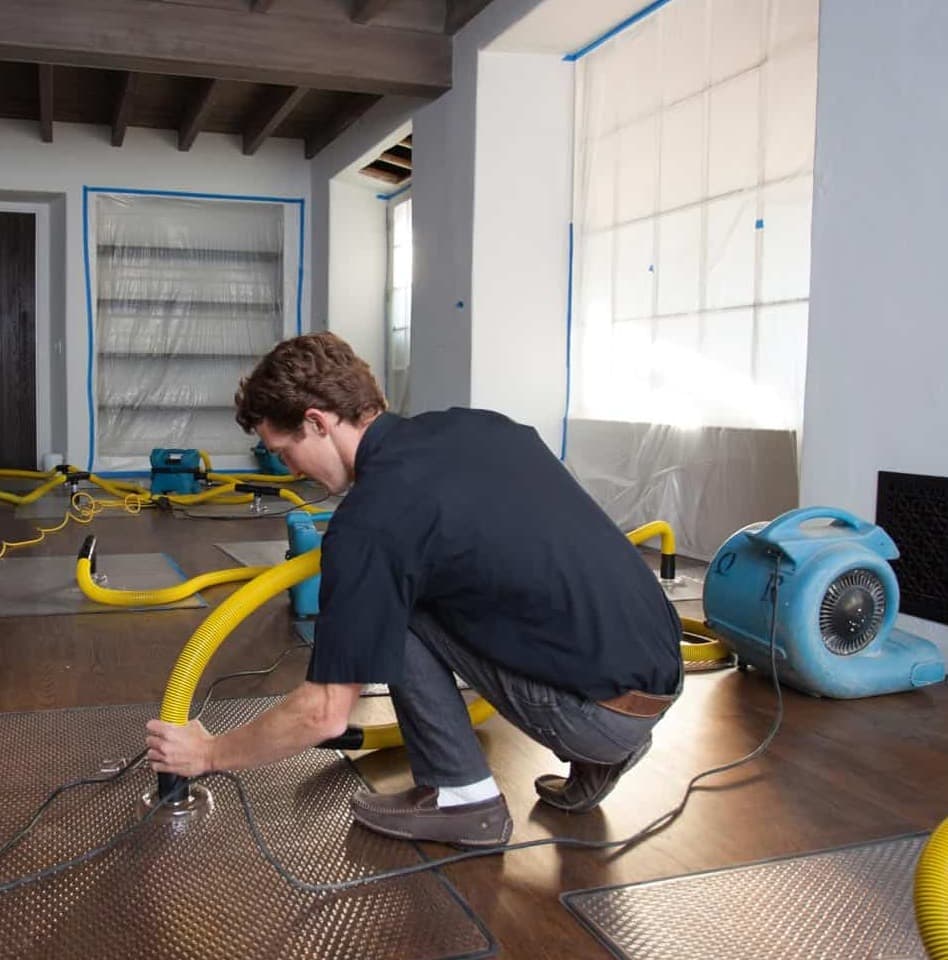
- Industrial structural drying — dehumidifiers and air movers to dry concrete, framing, and walls
- Antimicrobial treatment to prevent mold
- Complete damage assessment and itemized insurance documentation
Will Insurance Cover Sump Pump Failure Flooding?
This is one of the most common questions we hear after a sump pump failure — and the answer depends on your policy.
Standard homeowner's insurance does NOT cover sump pump failure or water backup. However, most Michigan insurers offer a sump pump/water backup endorsement (also called a rider) that adds this coverage to your policy. Carriers like State Farm, Allstate, Auto-Owners, and Citizens all offer this endorsement.
If you have the endorsement, your policy may cover the water damage, cleanup, and restoration costs up to your endorsement limit (typically $5,000 to $25,000). If you do not have the endorsement, you are likely responsible for all costs out of pocket.
Important: We always recommend homeowners review their policy with their agent. Prime Restoration is a top-rated contractor for water damage insurance claims in Michigan, and we work with your adjuster from start to finish, documenting moisture readings, photos, and an itemized estimate through the insurance claims process. You choose your own contractor; coverage decisions are always between you and your carrier.
How to Prevent Sump Pump Failure
Once you have dealt with the immediate crisis, take these steps to prevent it from happening again:
Install a Battery Backup Sump Pump
This is the single most important investment for any Michigan homeowner with a sump pump. A battery backup system activates automatically when the power goes out or the primary pump fails. Good systems cost $300-$600 installed and can save you tens of thousands in water damage.
Install a Water-Powered Backup
Water-powered backup pumps use your home's municipal water pressure to operate — no electricity or batteries needed. They are a good secondary backup, though they pump more slowly than electric backups.
Test Your Sump Pump Monthly
Pour a 5-gallon bucket of water into the sump pit. The pump should activate, pump the water out, and shut off. If it does not, you have a problem to fix before the next storm. Test the battery backup the same way — unplug the primary pump and pour water in to verify the backup activates.
Replace Your Pump Before It Fails
Sump pumps have an average lifespan of 7-10 years. If your pump is approaching that age, replace it proactively. A new pump costs a fraction of what a flooded basement costs.
Install a Sump Pump Alarm
A water alarm in the sump pit alerts you when the water level rises above normal — giving you warning that the pump has failed or is overwhelmed before your basement floods. Some smart alarms send notifications to your phone.
Keep the Discharge Line Clear
Make sure the discharge line exits your home and empties at least 6 feet from the foundation. In winter, check that the discharge point is not blocked by ice or snow. A frozen discharge line will cause the pump to fail even if it is running perfectly.
Get a Generator
A portable generator capable of running your sump pump costs $400-$800. Keep it fueled and ready before storm season. Whole-home generators that activate automatically cost more but provide complete protection.
After the Storm: What Happens Next
Once the water is out, the real work begins. Basement flood restoration after a sump pump failure typically involves:
- Complete water extraction — removing all standing water with professional equipment
- Damaged material removal — wet carpet, pad, drywall below the flood line, and saturated insulation usually need to come out
- Structural drying — industrial dehumidifiers and air movers dry the concrete slab, framing, and remaining materials over several days
- Antimicrobial treatment — all affected surfaces are treated to prevent mold growth
- Reconstruction — replacing drywall, flooring, and trim once the structure is completely dry, including the custom hardwood, cabinetry, and other high-end finishes common in finished basements across Bloomfield Hills, Birmingham, and other high-value Michigan homes
Skipping any of these steps — especially the structural drying — leads to mold growth. Mold can start growing within 24-48 hours in wet materials, so speed matters.
24/7 Sump Pump Failure Emergency Response
When your sump pump fails and your basement is flooding, call Prime Restoration at (586) 277-1069. We typically respond within 25 minutes across Macomb County with commercial-grade extraction equipment, industrial drying systems, and the experience to manage everything from initial extraction through complete reconstruction. We document the full scope in an itemized line-item estimate so you have accurate paperwork to submit to your insurance carrier.
Tags
24/7 Emergency Response
Need Professional Restoration Now?
Call now and speak directly with our trained restoration team. On-site within 25 minutes.
(586) 277-1069