
A burst pipe is one of the most common and most damaging water emergencies that Michigan homeowners face. A single half-inch supply line can release over 100 gallons of water per hour, and a three-quarter-inch main line can release several hundred gallons per hour. When a pipe bursts while you are at work, asleep, or away on vacation, the resulting flood can cause devastating damage to your home's structure, flooring, walls, and personal belongings.
In Michigan, burst pipes are especially common during our harsh winters, when temperatures drop well below freezing and unprotected pipes expand and rupture. But pipe bursts can happen year-round from corrosion, water pressure fluctuations, or material failure. This guide covers the immediate emergency steps to take, how professional restoration works, and how to prevent future pipe bursts.
Emergency Step 1: Shut Off the Water Supply
The very first thing you must do when you discover a burst pipe is stop the flow of water. Every second counts. Locate and turn off the nearest shutoff valve:
- Local shutoff valve: Most fixtures and appliances have a dedicated shutoff valve nearby. Under-sink valves, toilet supply valves, and washing machine supply valves can be turned clockwise to close.
- Main water shutoff valve: If you cannot isolate the burst pipe or the local valve is not accessible, shut off your home's main water supply. In most Michigan homes, the main shutoff is located in the basement near where the water line enters the house, typically near the water meter.
If you live in an older Michigan home and your main shutoff valve is stuck, corroded, or will not turn, call your water utility company's emergency line to shut off the water at the curb stop (the valve near the street).
Emergency Step 2: Turn Off Electricity to Affected Areas
Water and electricity are a lethal combination. If water is near any electrical outlets, wiring, or appliances, turn off the electricity at the circuit breaker panel for the affected areas. If the breaker panel is in a flooded area and you cannot reach it safely, do not attempt to access it. Instead, call your electric utility for an emergency shutoff.
Emergency Step 3: Call a Professional Restoration Company
Call Prime Restoration at (586) 277-1069 immediately. A burst pipe release can saturate your home at an alarming rate, and professional extraction equipment is essential to remove the water quickly enough to prevent secondary damage. Our emergency team is available 24/7 and typically arrives within 60 minutes with commercial-grade equipment.
Emergency Step 4: Document and Protect
While waiting for the restoration team to arrive, take these additional steps:
- Photograph and video all damage for your insurance claim before any cleanup begins.
- Move furniture and valuables away from standing water. Place aluminum foil or plastic under furniture legs to prevent staining.
- Remove important documents, electronics, and irreplaceable items from the affected area.
- If safe, begin removing water with a wet/dry vacuum, mop, or towels.
- Open interior doors to improve air circulation throughout the home.
Why Burst Pipes Are So Common in Michigan
Michigan's climate creates ideal conditions for frozen and burst pipes. When outdoor temperatures drop below 20 degrees Fahrenheit, water in uninsulated or exposed pipes can freeze. As water freezes, it expands with enormous force, approximately 25,000 pounds per square inch, far exceeding the strength of even copper and PEX piping.
The pipes most vulnerable to freezing in Michigan homes include:
- Exterior wall pipes: Supply lines running through exterior walls, especially on the north side of the house, are exposed to the coldest temperatures.
- Unheated space pipes: Pipes in garages, crawl spaces, attics, and unfinished basements lack the ambient heat needed to prevent freezing.
- Hose bibs: Outdoor faucets that have not been properly winterized (disconnected, drained, and shut off) are extremely vulnerable.
- Pipes near drafts: Pipes near poorly sealed windows, doors, or foundation penetrations can freeze even in heated spaces if cold air reaches them.
Michigan's January and February cold snaps, where temperatures can remain below zero for multiple days, are the peak season for burst pipe claims. However, pipes can also burst during the spring thaw when ice blockages melt and reveal cracks or weakened joints that formed during the freeze.
What Professional Burst Pipe Restoration Involves
When our team arrives at your home, the restoration process follows a systematic approach:
- Assessment and moisture mapping: We use thermal imaging cameras and moisture meters to determine the full extent of water penetration, including behind walls and under flooring.
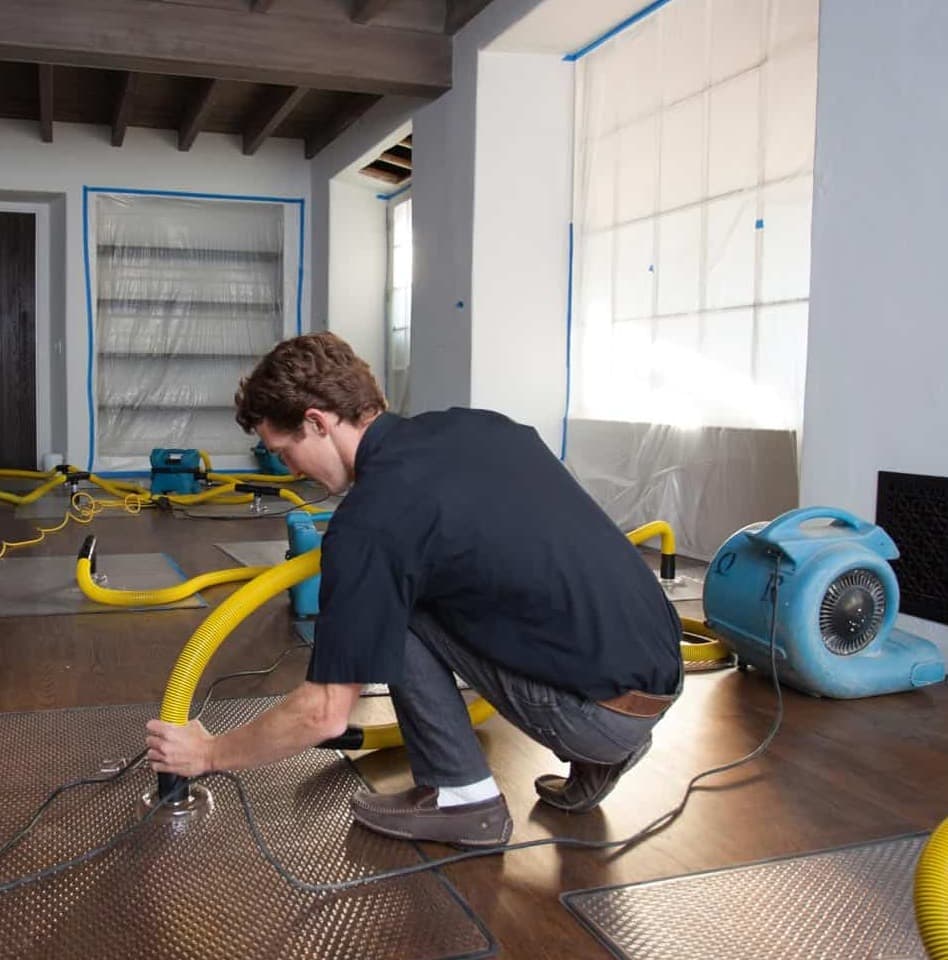
- Water extraction: Truck-mounted and portable extraction units remove standing water. Submersible pumps are used for deep water in basements.
- Content protection: Salvageable items are moved, elevated, or relocated. Unsalvageable items are documented for your insurance claim.
- Structural drying: Industrial dehumidifiers and high-velocity air movers are positioned based on calculated drying plans. We monitor moisture levels daily.
- Antimicrobial treatment: All affected surfaces are treated to prevent mold growth during the drying period.
- Repairs and reconstruction: Once drying is complete, we repair or replace damaged drywall, flooring, trim, and other materials to restore your home.
How to Prevent Burst Pipes in Your Michigan Home
Prevention is far less expensive and disruptive than restoration. Here are proven steps to protect your home:
Winterization Steps
- Insulate vulnerable pipes with foam pipe insulation or heat tape, especially pipes in exterior walls, crawl spaces, and attics.
- Disconnect and drain outdoor hoses before the first freeze. Shut off and drain the supply lines to outdoor faucets.
- Seal air leaks around pipes where they penetrate exterior walls, the foundation, or the rim joist.
- Keep the thermostat at 55 degrees or above at all times, even when away from home. The small increase in heating cost is nothing compared to a burst pipe restoration.
- Open cabinet doors under kitchen and bathroom sinks on exterior walls to allow warm air to reach the pipes during extreme cold.
- Let faucets drip during extreme cold snaps. Even a small trickle keeps water moving and reduces the chance of freezing.
Year-Round Prevention
- Know your shutoff valves. Practice turning off the main water supply so you can act quickly in an emergency.
- Replace old supply lines. Rubber and braided stainless steel supply lines to toilets, washing machines, and faucets degrade over time. Replace them every 5 to 10 years.
- Install a water leak detection system. Smart water sensors placed near water heaters, washing machines, and under sinks can alert you to leaks before they become floods.
- Have your plumbing inspected every few years, especially in older Michigan homes with galvanized steel pipes that corrode from the inside.
Does Insurance Cover Burst Pipe Water Damage?
Yes, burst pipe water damage is almost always covered by standard Michigan homeowner's insurance as a sudden and accidental event. Your coverage typically includes water extraction, structural drying, repairs, and replacement of damaged personal property, minus your deductible.
The main exception is if the insurer determines the burst was caused by negligence, such as leaving the house unheated during a cold snap or failing to maintain known plumbing issues. Maintaining proper heat and documenting your winterization steps protects both your home and your insurance coverage.
24/7 Burst Pipe Emergency Response
If a pipe has burst in your Michigan home, call Prime Restoration at (586) 277-1069 for immediate emergency service. We typically respond within 60 minutes, extract water with commercial-grade equipment, and begin the drying process to prevent mold growth and minimize damage. Serving all of Macomb County and Oakland County, 24 hours a day, 7 days a week.
Tags
24/7 Emergency Response
Need Professional Restoration Now?
Call now and speak directly with our trained restoration team. On-site within 60 minutes.
(586) 277-1069