
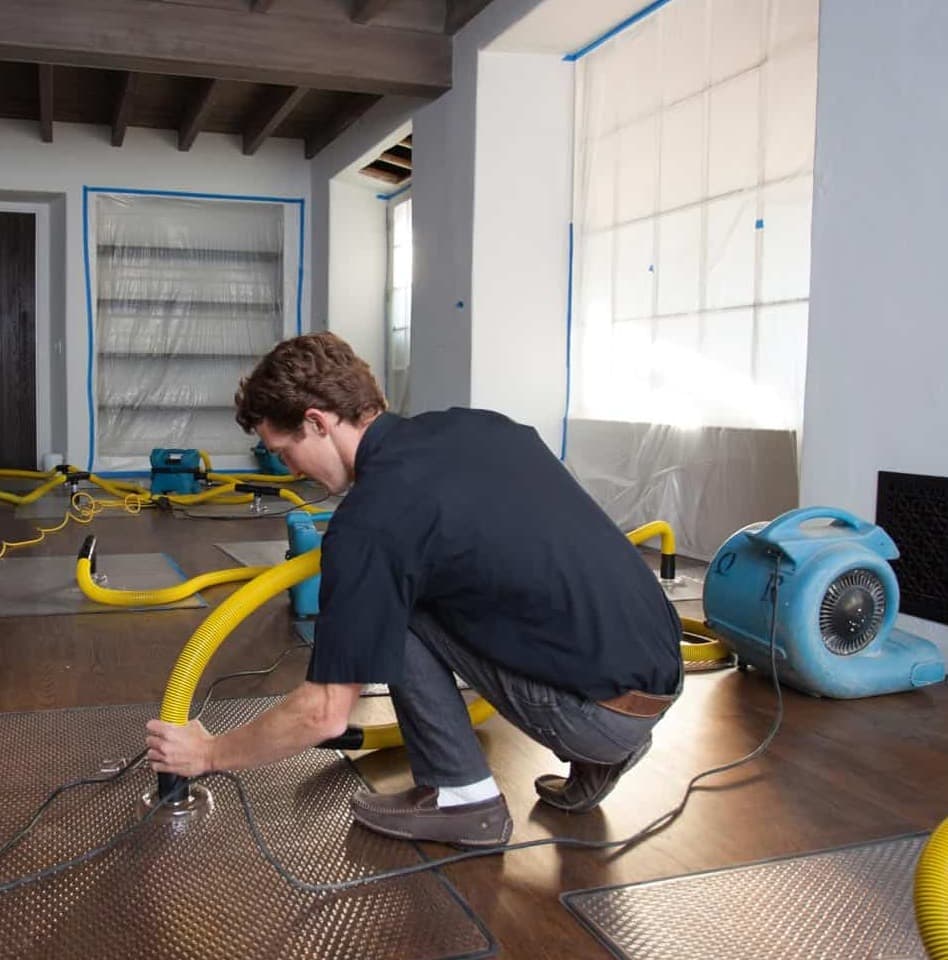
Not all water damage announces itself with a dramatic flood. In fact, some of the most destructive water damage in Michigan homes occurs silently behind walls, under floors, and above ceilings for weeks or even months before a homeowner notices anything is wrong. By the time visible signs appear, the damage may be extensive, and mold may already be growing.
Knowing the early warning signs of water damage allows you to catch problems before they become emergencies. This guide covers the 12 most common signs that indicate water damage in your home, where to look for them, and what to do if you find them.
1. Water Stains on Ceilings and Walls
Yellow, brown, or copper-colored stains on your ceiling or walls are one of the most recognizable signs of water damage. These stains are caused by water dissolving minerals and contaminants as it travels through building materials, leaving a visible ring or discoloration when it dries.
A water stain on your ceiling usually indicates a leak from the floor above, whether from a bathroom, a roof leak, or condensation from an HVAC system. Wall stains often indicate a leaking pipe inside the wall cavity. Even if the stain appears dry, the source may still be active. Always investigate the cause rather than simply painting over the stain.
2. Peeling, Bubbling, or Flaking Paint
When moisture collects behind painted surfaces, it breaks the bond between the paint and the wall. This causes paint to bubble, peel, crack, or flake. If you notice paint problems in areas near plumbing, under windows, or on exterior walls, moisture is likely the culprit.
3. Warped, Buckled, or Cupping Floors
Hardwood floors are particularly sensitive to moisture. When water reaches the wood from below, the boards absorb moisture and swell, causing them to cup (edges rise higher than the center), buckle (lift off the subfloor), or warp. Laminate and vinyl flooring may bubble or separate at the seams. Even tile floors can indicate water damage if grout becomes discolored or tiles loosen.
4. Musty or Earthy Odors
A persistent musty smell is one of the most reliable indicators of hidden moisture or mold growth. This smell is produced by mold and mildew colonies that are actively growing on damp materials. If you notice a musty odor that is strongest in certain areas such as the basement, bathroom, or near exterior walls, there is likely a hidden moisture source nearby.
Do not ignore musty odors or attempt to mask them with air fresheners. The smell is telling you that biological growth is occurring somewhere in your home, and it needs professional investigation.
5. Unexplained Increase in Water Bills
If your water bill suddenly spikes without a change in your usage habits, you likely have a leak somewhere in your plumbing system. Even a small leak of one drip per second wastes over 3,000 gallons per year. A hidden supply line leak behind a wall or under a slab can release far more water, causing significant structural damage before it becomes visible.
Check your water meter when no water is being used in your home. If the meter is still moving, you have an active leak that requires immediate attention.
6. Damp or Soft Spots on Walls
If drywall feels soft, spongy, or damp to the touch, water has saturated the material. Press gently on walls in bathrooms, kitchens, and laundry rooms. Healthy drywall is firm and dry. If it gives way under light pressure, moisture has compromised its structural integrity. Damp drywall also provides an ideal substrate for mold growth.
7. Mold or Mildew Growth
Visible mold is an obvious sign of water damage, but it is worth noting that visible mold often represents only a small fraction of the actual contamination. Mold on a wall surface frequently indicates extensive growth behind the wall where conditions are darker and damper. Mold appears in many forms: black spots, green or white fuzzy growth, or gray discoloration. Any visible mold should be professionally assessed.
8. Condensation on Windows or Pipes
Excessive condensation on the interior of windows, especially in winter, indicates high indoor humidity. While some condensation is normal in Michigan winters, persistent heavy condensation suggests a moisture source in the home such as a leak, inadequate ventilation, or a failing vapor barrier. Sweating pipes in the basement or crawl space also indicate humidity levels that promote mold growth.
9. Cracks in Foundation or Walls
While small hairline cracks in foundation walls are common and often harmless, cracks that are widening, showing mineral deposits (white crystalline efflorescence), or accompanied by dampness indicate water infiltration. In Michigan, hydrostatic pressure from saturated soil pushes against foundation walls, and water finds its way through any crack or gap. Horizontal cracks in block foundation walls can indicate serious structural pressure from water-saturated soil.
10. Sagging or Discolored Ceiling
A ceiling that is sagging, bowing, or drooping indicates that water is pooling above. This is a serious situation that requires immediate action because the weight of accumulated water can cause a ceiling collapse. If you notice a sagging ceiling, do not stand beneath it. Place a bucket underneath if water is dripping and call a professional immediately.
11. Rust Stains or Corroded Fixtures
Rust stains around pipe connections, water heater fittings, or under sinks indicate ongoing moisture exposure. In older Michigan homes, galvanized steel pipes corrode from the inside out, and by the time rust is visible on the exterior, the pipe is at high risk of failure. Corroded shut-off valves may also fail to close properly during an emergency.
12. Sound of Running Water When Nothing Is On
If you hear the sound of running or dripping water when all fixtures and appliances are off, there is likely a hidden leak. Listen carefully near walls, under floors, and near plumbing fixtures. The sound may be subtle, like a faint hiss or trickle, especially if the leak is behind a wall or under the slab.
Where to Check for Water Damage in Your Michigan Home
Some areas of your home are more vulnerable to water damage than others. Inspect these areas regularly:
- Basement: Check walls for dampness, efflorescence, or cracks. Look at the floor near the sump pump and floor drains. Inspect the area around the water heater and laundry connections.
- Bathrooms: Check around toilets, under sinks, and around tub and shower surrounds. Look for loose caulking, discolored grout, and soft spots in the floor near the toilet base.
- Kitchen: Inspect under the sink, around the dishwasher, and behind the refrigerator (ice maker line). Check under the sink for drips or mineral deposits on connections.
- Attic: Look for daylight through the roof, dark stains on wood sheathing, and signs of condensation. Michigan's ice dam season can force water under shingles and into the attic.
- Exterior: Check that gutters and downspouts are directing water away from the foundation. Look for soil erosion near the foundation and ensure the grade slopes away from the house.
What to Do If You Find Signs of Water Damage
If you have identified any of these signs in your Michigan home, do not ignore them. Early detection and professional assessment can prevent a minor issue from becoming a major restoration project. Call Prime Restoration at (586) 277-1069 for a professional inspection. We use thermal imaging cameras and professional moisture meters to identify the source and full extent of hidden water damage, and we provide honest assessments with no obligation.
Tags
24/7 Emergency Response
Need Professional Restoration Now?
Call now and speak directly with our trained restoration team. On-site within 60 minutes.
(586) 277-1069