
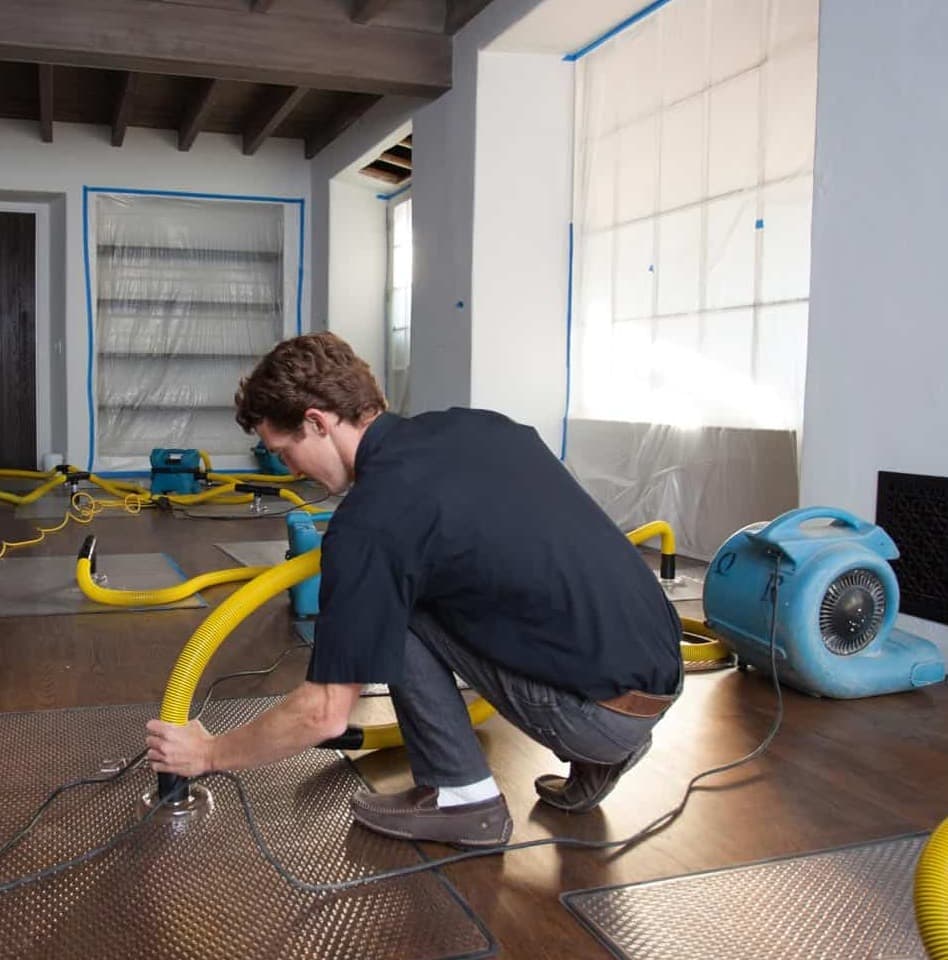
Experiencing a house fire is one of the most traumatic events a family can go through. In the aftermath, while you are dealing with shock and emotional distress, there are critical decisions and actions that need to happen quickly to protect your safety, your property, and your insurance rights. This guide walks you through every step of the recovery process, from the moment the fire is out to the day you move back into your restored home.
Immediately After the Fire: Safety First
The fire department will tell you when it is safe to approach or re-enter your property. Until then, stay clear of the structure. Even after flames are extinguished, there are serious hazards:
- Structural instability: Fire weakens load-bearing walls, floor joists, and roof trusses. Collapse can occur without warning.
- Toxic air: Smoke and soot contain carbon monoxide, formaldehyde, acrolein, and hundreds of other toxic compounds. The air inside a fire-damaged home is not safe to breathe without respiratory protection.
- Electrical hazards: Damaged wiring can cause electrocution or reignition.
- Water damage: The water used to fight the fire creates its own set of hazards and damage.
Do not enter the home until the fire department has officially cleared it as safe to enter. When you do enter, wear closed-toe shoes, long pants, a long-sleeved shirt, gloves, and an N95 mask at minimum.
Step 1: Secure Emergency Housing and Essentials
Your immediate priority after ensuring everyone is safe is arranging a place to stay. Contact family or friends, a hotel, or the American Red Cross (which provides emergency shelter, clothing, and food for fire victims). Your homeowner's insurance policy includes Additional Living Expenses (ALE) coverage that pays for hotel stays, meals, and other costs while your home is uninhabitable. Contact your insurance company immediately to activate this coverage.
Step 2: Contact Your Insurance Company
Call your insurance company within the first 24 hours to report the fire. Have the following information ready:
- Your policy number
- Date, time, and cause of the fire (if known)
- Fire department incident report number
- Your temporary contact information
Request a copy of your full policy, including all endorsements and coverage limits. Your insurer will assign a claims adjuster who will inspect the damage, but this can take several days. In the meantime, you have the right to begin emergency mitigation to prevent further damage.
Step 3: Call a Professional Fire Restoration Company
Time is critical after a fire. Soot and smoke residue are acidic and begin permanently damaging surfaces within 24 to 72 hours. Additionally, the water used during firefighting creates a water damage emergency that requires immediate extraction and drying to prevent mold growth.
Prime Restoration provides emergency fire damage services including:
- Emergency board-up and tarping to secure the property against weather and intrusion
- Water extraction from firefighting efforts
- Soot and smoke damage assessment
- Content pack-out and inventory to protect salvageable belongings
Step 4: Document Everything
Thorough documentation is essential for your insurance claim. If it is safe to enter the property:
- Photograph every room, including areas that appear undamaged (smoke travels everywhere)
- Video-record a walkthrough of the entire property
- Create a written inventory of damaged and destroyed items with estimated values
- Keep receipts for all emergency expenses (housing, clothing, meals, supplies)
- Save the fire department report
Do not throw away any damaged items until your insurance adjuster has documented them. Even items that appear ruined may need to be cataloged for your claim.
Step 5: Understand the Fire Damage Restoration Process
Professional fire damage restoration is a multi-phase process that typically unfolds over several weeks to several months depending on the severity of the fire:
Phase 1: Emergency Services (Days 1-3)
Board-up and tarping to secure the structure, water extraction from firefighting, initial damage assessment, and content protection or pack-out of salvageable items.
Phase 2: Soot and Smoke Removal (Days 3-10)
Professional soot removal using techniques specific to the type of soot (dry, wet, protein, or fuel-oil based). HEPA air scrubbing to remove airborne particles. Treatment of all surfaces including walls, ceilings, ductwork, and structural members.
Phase 3: Odor Elimination (Days 5-14)
Complete smoke odor elimination using thermal fogging, ozone treatment, and hydroxyl generators. These professional methods neutralize smoke molecules rather than masking them. HVAC duct cleaning to prevent smoke odor from recirculating.
Phase 4: Structural Repairs and Reconstruction (Weeks 2-12+)
Demolition of fire-damaged structural elements, rebuilding framing, installing new drywall, flooring, cabinets, and fixtures. Electrical and plumbing repairs. Painting and finishing to carry the rebuild through completion.
Phase 5: Content Restoration (Ongoing)
Professional restoration of salvageable personal belongings including furniture, clothing, electronics, and documents using specialized cleaning techniques such as ultrasonic cleaning, dry cleaning, and ozone treatment.
Understanding Your Fire Insurance Coverage
Standard Michigan homeowner's insurance policies provide comprehensive fire damage coverage, including:
- Dwelling coverage: Pays to repair or rebuild the structure of your home, including attached garages and built-in appliances.
- Personal property coverage: Pays to replace damaged or destroyed personal belongings. Policies are either "actual cash value" (depreciated) or "replacement cost" (full cost to replace).
- Additional living expenses (ALE): Pays for temporary housing, meals, and other increased costs while your home is uninhabitable.
- Other structures: Covers detached garages, sheds, and fences damaged by the fire.
Tips for a Successful Fire Damage Insurance Claim
- Report immediately. Delays in reporting can complicate your claim.
- Document obsessively. The more evidence you have, the stronger your claim.
- Keep a detailed expense log. Track every expense related to the fire, including receipts for meals, clothing, hotel stays, and supplies.
- Do not accept the first settlement offer without review. Insurance companies' initial estimates sometimes undervalue the full scope of damage.
- Work with a restoration company that understands insurance. A company that uses Xactimate and communicates directly with adjusters can significantly improve your claim outcome.
Emotional Recovery After a House Fire
The emotional toll of a house fire is real and significant. It is normal to experience grief, anxiety, anger, and a sense of loss. Allow yourself and your family time to process these emotions. Many communities offer support groups for fire victims, and your insurance policy may cover counseling services.
Remember that your home can be rebuilt and your belongings replaced. What matters most, your family's safety, is intact. The restoration process, while stressful, is temporary, and professionals are here to carry the burden of rebuilding so you can focus on recovery.
Prime Restoration Fire Damage Services
Prime Restoration provides complete fire and smoke damage restoration throughout Southeast Michigan. From the moment you call, we manage everything: emergency board-up, soot and smoke removal, odor elimination, structural reconstruction, and itemized scope documentation for your insurance claim. Call (586) 277-1069 24/7 for immediate response. We are here to help you rebuild.
Tags
24/7 Emergency Response
Need Professional Restoration Now?
Call now and speak directly with our trained restoration team. On-site within 60 minutes.
(586) 277-1069